Önizle AR ile önizle El Yapımı Tablo Satın Al Dijital Görsel Satışına Geç Gönder
Detaylar Rehber Favorilere ekle Dosyayı İndir Benzerleri X-Işını Slayt Gösterisi İstatistikler

St. Sebastian

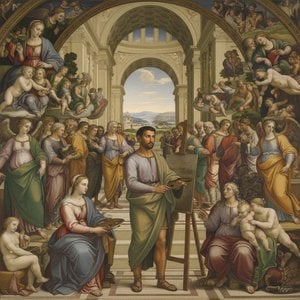
Experience Raphael's iconic "St. Sebastian" – a poignant masterpiece depicting the saint’s martyrdom. Explore its rich symbolism, artistic techniques & historical context.

Raffaello (1483-1520): Rönesans'ın önde gelen ustası! 'Athena Okulu' ve etkileyici Madonna resimleriyle tanınır. Urbino kökenleri, sanatsal mirası ve zamansız güzelliği keşfedin.


Giclée / Sanat Baskısı

Hızlı üretim ve esnek bitiş seçenekleriyle müze kalitesinde giclée veya kanvas baskı. ( El Yapımı Tablo Satın Al Dijital Görsel Satışına Geç)

Corner sample of the P118B picture frame: moulded polystyrene, 5 cm wide and 3 cm thick
P118B ₺10
Corner sample of the P118H picture frame: moulded polystyrene, 5 cm wide and 3 cm thick
P118H ₺10
Corner sample of the P118W picture frame: moulded polystyrene, 5 cm wide and 3 cm thick
P118W ₺10
Corner sample of the P438Z picture frame: moulded polystyrene, 5.5 cm wide and 3.5 cm thick
P438Z ₺10
Corner sample of the P508JH picture frame: moulded polystyrene, 7 cm wide and 3.5 cm thick
P508JH ₺12
Corner sample of the P508YH picture frame: moulded polystyrene, 7 cm wide and 3.5 cm thick
P508YH ₺12
Corner sample of the P805H picture frame: moulded polystyrene, 5 cm wide and 3.5 cm thick
P805H ₺10
Corner sample of the P805Z picture frame: moulded polystyrene, 5 cm wide and 3.5 cm thick
P805Z ₺10
Corner sample of the P919BZ picture frame: moulded polystyrene, 7 cm wide and 3.5 cm thick
P919BZ ₺10
Corner sample of the P919G picture frame: moulded polystyrene, 7 cm wide and 3.5 cm thick
P919G ₺10
Corner sample of the P919XJ picture frame: moulded polystyrene, 7 cm wide and 3.5 cm thick
P919XJ ₺10
Corner sample of the P959ZH picture frame: moulded polystyrene, 5 cm wide and 3 cm thick
P959ZH ₺10
Corner sample of the P968JZ picture frame: moulded polystyrene, 6 cm wide and 4 cm thick
P968JZ ₺12
Corner sample of the W106C picture frame: solid wood, 5 cm wide and 3 cm thick
W106C ₺8
Corner sample of the W218G picture frame: solid wood, 5 cm wide and 3 cm thick
W218G ₺10
Corner sample of the W218JH picture frame: solid wood, 5 cm wide and 3 cm thick
W218JH ₺8
Corner sample of the W218Y picture frame: solid wood, 5 cm wide and 3 cm thick
W218Y ₺10
Corner sample of the W307PJ picture frame: solid wood, 6 cm wide and 3 cm thick
W307PJ ₺10
Corner sample of the W316G picture frame: solid wood, 6 cm wide and 3 cm thick
W316G ₺10
Corner sample of the W316PJ picture frame: solid wood, 6 cm wide and 3 cm thick
W316PJ ₺8
Corner sample of the W316Y picture frame: solid wood, 6 cm wide and 3 cm thick
W316Y ₺10
Corner sample of the W398PJ picture frame: solid wood, 5 cm wide and 3 cm thick
W398PJ ₺8
Corner sample of the W4111J picture frame: solid wood, 6.5 cm wide and 3.5 cm thick
W4111J ₺10
Corner sample of the W500HY picture frame: solid wood, 7 cm wide and 5 cm thick
W500HY ₺15
Corner sample of the W500JH picture frame: solid wood, 7 cm wide and 5 cm thick
W500JH ₺15
Corner sample of the W692G picture frame: solid wood, 8 cm wide and 4 cm thick
W692G ₺12
Corner sample of the W849H picture frame: solid wood, 5 cm wide and 3 cm thick
W849H ₺8
Corner sample of the W940BG picture frame: solid wood, 7.5 cm wide and 4.5 cm thick
W940BG ₺15
Corner sample of the W953PJ picture frame: solid wood, 6 cm wide and 3.5 cm thick
W953PJ ₺8

Standart Boyutlar
özel boyutlu
CM
INCH

Eserin orijinal oranlarıyla uyumlu, önceden belirlenmiş boyutlarımız arasından seçim yapın.

genişlik
yükseklik

Belirli bir çerçeveye veya alana uyması için kendi ölçülerinizi girebilirsiniz. Seçtiğiniz boyut orijinal görüntünün oranlarıyla eşleşmiyorsa, sanat eserini kırpacağız veya görüntüyü aynalanmış ya da düz dolgulu bir kenarlıkla genişleteceğiz. Üretim başlamadan önce onayınız için bir dijital taslak gönderilecektir.
Lütfen ekrandaki önizlemenin gerçek kırpma veya genişletmeyi yansıtmadığını unutmayın. Nihai kompozisyonu yalnızca taslak doğru bir şekilde gösterecektir.
Özel boyutlar mevcut olsa da, orijinal oranları korumak için önceden tanımlanmış listeden bir boyut seçmenizi öneririz.

Dünya Çapında Teslimat (); standart 4/5 hafta yerine 2 haftada. (10 Ekim)

Dünya Çapında Ücretsiz Ekspres Kargo
Yüksek Kaliteli Keten Tuval
Tam Nakliye Sigortası
Gümrük Vergisi İadesi Garantisi
Gerçek Renk Uyumu Garantisi
100 Günlük İade Koşulları (Sadece Üretim Hatalı Ürünler İçin)
%100 Para İade Garantisi
Toplu Alım Avantajı

Toplam Fiyat

₺ 3302

St. Sebastian

Giclée / Sanat Baskısı

Baskı Boyutu

-

Toplam Fiyat

₺ 3302

Kısa Bilgiler

  • Title: St. Sebastian
  • Artistic style: High Renaissance
  • Notable elements: Chiaroscuro, emotion
  • Artist: Raphael
  • Year: 1501-1502
  • Dimensions: 43 x 34 cm
  • Location: Accademia Carrara, Bergamo

Sanat Bilgisi Testi

Her soru için yalnızca bir doğru cevap bulunmaktadır.

Soru 1:
What is the primary subject depicted in Raphael’s ‘St. Sebastian’?
Soru 2:
In which Italian city is the original painting ‘St. Sebastian’ by Raphael housed?
Soru 3:
Which artistic technique is prominently used in ‘St. Sebastian’ to create a sense of depth and volume?
Soru 4:
Who is credited with being Raphael’s father, who also played a significant role in his early artistic development?
Soru 5:
The image description mentions mountains in the background of the painting. What effect do these mountains primarily contribute to?

The Silent Suffering: An Exploration of Raphael’s St. Sebastian

Raphael’s “St. Sebastian,” painted around 1502-1503, isn't merely a depiction of a martyr; it’s a profound meditation on faith, endurance, and the exquisite beauty found within sorrow. This oil on wood panel, now residing in the Accademia Carrara of Bergamo, Italy, transcends its subject matter to become a timeless emblem of human resilience. The painting immediately draws the eye with its serene composition – a stark contrast to the violent act that defines Sebastian’s story. He is not presented as a screaming victim, but rather as a figure of quiet dignity, bound to a column and pierced by arrows, yet radiating an almost unsettling tranquility.

The genius of Raphael lies in his ability to imbue this scene with a palpable sense of emotion without resorting to overt drama. The muted palette – dominated by earthy browns, deep reds, and subtle blues – contributes significantly to the painting’s contemplative mood. Notice how the light plays across Sebastian's body, highlighting the texture of his clothing and emphasizing the vulnerability of his exposed flesh. This isn’t a glorification of suffering; it’s an honest portrayal of a man enduring pain with unwavering resolve.

The Renaissance Master: Raphael and His Artistic Language

Raphael Sanzio, born in Urbino around 1483, was a pivotal figure in the High Renaissance. Alongside Leonardo da Vinci and Michelangelo, he represents the pinnacle of artistic achievement during this transformative period. Unlike the bombastic grandeur often associated with Michelangelo or the enigmatic complexity of Leonardo, Raphael’s style is characterized by an unparalleled sense of harmony, balance, and clarity. He mastered the techniques of *chiaroscuro* – the dramatic interplay of light and shadow – to create a remarkable sense of volume and depth, drawing the viewer into Sebastian's world.

The painting’s composition is meticulously crafted, reflecting Raphael’s deep understanding of classical principles. The figure of St. Sebastian dominates the center of the canvas, while the surrounding landscape—a hazy, mountainous backdrop—provides a sense of isolation and emphasizes his solitary suffering. Observe how he holds an arrow in his hand, a subtle detail that speaks to both his martyrdom and his enduring strength. This isn’t simply a passive acceptance of fate; it's a deliberate act of defiance, a refusal to be broken.

Symbolism and the Narrative of Faith

The story of St. Sebastian is steeped in Christian symbolism. He was martyred for refusing to worship pagan gods and later became a patron saint of archers and plague sufferers. The arrows themselves are not merely wounds; they represent the piercing of his soul by faith, a testament to his unwavering devotion. The red cloak he wears—a vibrant splash of color against the muted background—is often interpreted as symbolizing his blood, a visual reminder of his sacrifice.

Furthermore, Sebastian’s posture – bound to the column – evokes images of Christ on the cross, creating a powerful parallel between two figures who endured immense suffering for their beliefs. Raphael subtly connects these narratives, elevating St. Sebastian's story to one of universal significance. The inclusion of the landscape, with its distant mountains, suggests a journey towards spiritual transcendence—a visual representation of Sebastian’s ascent through pain and into eternal peace.

A Legacy Enduring: Reproduction and Appreciation

Raphael’s “St. Sebastian” remains one of the most beloved and studied paintings in the Western canon. Its enduring appeal lies not only in its technical brilliance but also in its profound emotional resonance. Today, high-quality reproductions capture the essence of this masterpiece, allowing art lovers to experience its beauty and contemplate its timeless message. When selecting a reproduction, consider the materials used – archival quality canvas and inks are essential for preserving the painting’s vibrancy and ensuring that it will last for generations to come.

For a deeper understanding of Raphael and his work, we encourage you to visit Raphael’s page on WahooArt.com and explore the reproduction on WahooArt.com for a detailed analysis.

Soru ve Cevaplar

"St. Sebastian" adlı eser hangi sanatçıya atfediliyor?

"St. Sebastian" adlı eserin Raffaello tarafından yapıldığı düşünülmektedir.

Raffaello imzalı "St. Sebastian" eserinin el boyaması bir reprodüksiyonunu nereden satın alabilirim?

Raffaello imzalı "St. Sebastian" eserinin el boyaması kopyaları bu web sitesi üzerinden satılmaktadır: keten kanvas üzerine el boyaması yağlı boya reprodüksiyon, bu sayfa adresinden sipariş verebilirsiniz.

Raffaello imzalı "St. Sebastian" hangi sanat akımına dahildir?

"St. Sebastian", High Renaissance akımına ait bir eserdir. Bu akım, eserin parçası olduğu sanatsal geleneği ifade eder.

"St. Sebastian" eserini hangi palet ve baskın renk tanımlıyor?

"St. Sebastian", Bronze (#d7b24d) tarafından yönetilen Dark bir palet ile tanımlanmaktadır."

Raffaello imzalı "St. Sebastian" eserinin röntgen görüntüsünü görebilir miyim?

Raffaello imzalı "St. Sebastian" eserinin X-Ray görünümü, eserin X-Işını sayfasında yer almaktadır: on bir optik katman aracılığıyla görüntünün interaktif bir incelemesi.

"St. Sebastian" adlı eserin atmosferi nasıldır?

"St. Sebastian" Calm bir atmosfere sahip.

"St. Sebastian" adlı eser bir sanat baskısı olarak mevcut mu?

Raffaello imzalı "St. Sebastian" eserinin bir baskası doğrudan bu sayfa üzerinden sipariş edilebilir: pamuklu kanvas veya arşivlik kanvas kağıt üzerine yüksek kaliteli sanat baskısı.


Sanatçı Biyografisi

Raffaello Sanzio: Rönesansın Işığı ve Uyumunun Ustası

Rönesans’ın en parlak yıldızlarından biri olan Raffaello Sanzio da Urbino, dünyaya 1483 yılında İtalya'nın küçük ama zihinsel açıdan canlı bir şehir devleti olan Urbino'da gözlerini açtı. Babası Giovanni Santi, sadece bir ressam değil, aynı zamanda Duke Federico da Montefeltro’nun şairi ve sanat alanındaki yenilikleri arayan bir düşünürdü. Bu soylu çevrede büyümek, genç Raffaello’nun sanatsal ve entelektüel gelişimini derinden etkiledi. Babasının erken ölümü, ona sorumluluk yüklerken aynı zamanda ailesinin atölyesinde yeteneklerini geliştirmesi için de bir fırsat yarattı. İlk dönem eserlerinde bile ortaya çıkan zarif duruşu ve detaylara gösterdiği özen, olgunlaşmış tarzının habercisiydi.

Umbria’dan Floransa’ya: Yeni Etkilerin Peşinde

Raffaello'nun sanatsal yolculuğu, sürekli bir evrim sürecinden geçti. Perugia'da Pietro Perugino yönetimindeki eğitimiyle Umbriya tarzının temellerini attı – yumuşak modellemeler, uyumlu kompozisyonlar ve sakin dini sahnelerle karakterize edilen bir stil. Ancak Raffaello’nun doyumsuz merakı onu yeni zorluklara yöneltti. 1504 yılında Floransa'ya yaptığı yolculuk, Leonardo da Vinci ve Michelangelo gibi sınırları zorlayan sanatçılarla tanışmasına vesile oldu. Leonardo’nun sfumato tekniğini, yani ışık ve gölge geçişlerindeki inceliği; Michelangelo’nun ise güçlü anatomik detaylarını ve dramatik kompozisyonlarını büyük bir dikkatle inceledi. Bu Floransa dönemi, Raffaello için gerçek bir eriyiş noktası oldu; onu yeni sanatsal olanaklarla yüzleştirdi ve bunları kendi özgün vizyonuyla sentezlemeye zorladı. Özellikle bu dönemde Madonna serilerindeki artan dinamizm ve psikolojik derinlik, bu etkilerin somut kanıtı olarak görülebilir.

Roma’daki Zafer: Komisyonlar ve Başyapıtlar

1508 yılında Raffaello'nun kariyerini değiştirecek bir daveti aldı – Papa II. Julius tarafından Roma'ya çağrıldı. Bu, onun en verimli ve kutlu döneminin başlangıcı oldu. Roma, ona eşsiz fırsatlar sundu; Vatikan’daki papal saraylarını nefes kesici fresklerle süsleme imkanı buldu. Athena Okulu (La Scuola di Atene), belki de en ünlü eseri olarak, kompozisyon, perspektif ve felsefi alegori konusundaki ustalığını gözler önüne seriyor. Bu görkemli mekanda Raffaello, Antik Yunan’dan figürleri – Plato, Aristoteles, Pisagor, Öklid gibi – bir araya getirerek insan aklının ve bilgi peşinde koşmanın kutlaması niteliğinde canlı bir tablo yarattı. Daha sonra Leo X ve diğer papalar için de çalışarak Stanze della Segnatura ve Stanza d'Eliodoro gibi devasa projelerde yer aldı. Bu odalardaki freskleri sadece dekoratif değil, aynı zamanda papal gücüne, dini inançlara ve Rönesans ideallerine dair derin açıklamalar niteliğindedir.

Zarafet ve Uyumun Sentezi: Raffaello'nun Sanatsal Tarzı

Raffaello’nun sanatsal tarzı genellikle zarafet, açıklık ve idealize edilmiş güzelliğin uyumlu bir karışımı olarak tanımlanır. Farklı etkileri – Umbriya geleneği, Floransa yenilikleri, Antik Yunan – kendi eşsiz estetiğine sentezleme konusunda olağanüstü bir yeteneğe sahipti. Kompozisyonları titizlikle planlanmıştır; Rönesans ilkelerinin derinlemesine anlaşılmasını yansıtan bir düzen ve orantı duygusu sergiler. Figürleri sakin bir onur ve duygusal ifade yayar, insan mükemmelliği idealini somutlaştırır. Aynı zamanda usta bir renkleyiciydi; hem görsel olarak büyüleyici hem de zihinsel olarak uyarıcı eserler yaratmak için zengin, aydınlık tonlar kullandı. Michelangelo’nun sıklıkla dramatik ve çalkantılı tarzının aksine Raffaello'nun çalışması sakinlik ve uyum duygusu yayar – bu nitelik yüzyıllardır izleyicileri büyülemiştir.

Mirası ve Süregelen Etkisi

Raffaello’nun 1520 yılında otuz yedi yaşında erken ölümü, potansiyeliyle dolu bir kariyeri kesintiye uğrattı. Ancak mirası, Batı sanat tarihinin en önemli figürlerinden biri olarak yaşamaya devam ediyor. Çalışmaları, Yüksek Rönesans estetiğinin temel taşı haline geldi ve nesiller boyunca sanatçılara örnek oldu. Michelangelo’nun etkisi daha sonra sanatsal söylemi domine etse de, Raffaello'nun açıklık, uyum ve idealize edilmiş güzelliğe verdiği önem Neoklasik dönemde Johann Joachim Winckelmann gibi eleştirmenler tarafından yeniden canlandırıldı. Bugün, resimleri hala hayranlık ve takdir uyandırıyor; teknik parlaklıkları, duygusal derinlikleri ve kalıcı çekicilikleriyle izleyicileri büyülemeye devam ediyor. Onun etkisi sayısız takip eden eserde görülebilir, bu da onu Rönesans’ın gerçek bir ustası olarak pekiştirir – sadece konularının fiziksel görünümünü değil, aynı zamanda insan zarafetinin ve onurun özünü de yakalayan bir ressam.

Raffaello

Raffaello

1483 - 1520 , İtalya

Kısa Bilgiler

  • Artistic Movement Or Style: Yüksek Rönesans
  • Artists Or Movements Influenced By This Artist: ['Neoklasik resim']
  • Artists Who Influenced This Artist:
    • Leonardo da Vinci
    • Michelangelo
  • Date Of Birth: 1483
  • Date Of Death: 1520
  • Full Name: Raphael
  • Nationality: İtalyan
  • Notable Artworks:
    • Atina Okulu
    • Sistine Madonna
    • Dönüşüm
  • Place Of Birth: Urbino, İtalya
Temalara, stillere ve özelliklere göre gruplandırılmış sanat eserlerini keşfedin.