Pieter Cornelis Mondriaan: Soyutlamanın Ötesinde, Evrensel Uyumun İzinde
Hollanda’nın Amersfoort kasabasında 1872 yılında doğan Pieter Cornelis Mondriaan – daha sonra sadece Piet Mondrian olarak bilinmeye başlayacak olan – sanat dünyasına getirdiği devrim niteliğindeki soyutlama anlayışıyla, modern sanatın en etkili figürlerinden biri haline geldi. Ailesinin kökenleri Hague’e kadar uzanan Mondrian'ın sanata olan ilgisi, yetenekli bir resim öğretmeni babası ve amcası aracılığıyla erken yaşlarda başladı. Başlangıçta doğayı taklit etmeye odaklanan genç Mondrian, Hollanda Empresyonist akımının etkisiyle manzara resimleri çizdi; yeldeğirmenleri, yaylalar ve nehirler onun ilk tuvallerini süsledi. Ancak bu dönemdeki çalışmalarında bile, doğanın basit formlarına indirgemeye yönelik bir arayış seziliyordu. Bu erken dönemde Pointillizm ve Fauvizm gibi farklı akımlarla denemeler yaptı, ancak hiçbir stil onu tam olarak tatmin etmedi. Sanatçı, sadece görüneni değil, görünmeyeni, evrenin altında yatan düzenini ifade etmenin bir yolunu arıyordu.
Paris’te Uyanış ve Neoplastisizmin Doğuşu
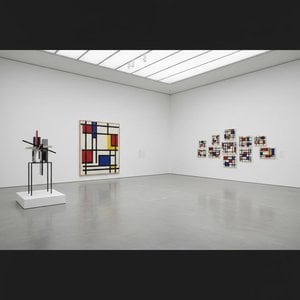
1912 yılında Paris'e taşınması, Mondrian için dönüm noktası oldu. Şehrin canlı sanat ortamı, onu Kübizm’in çalkantılı dünyasına sürükledi. Bu karşılaşma, sanatsal yolculuğunda bir dönüşüme işaret etti. Formları parçalayarak, nesneleri geometrik bileşenlerine ayırarak, gördüğü şeyi betimlemekten ziyade nasıl gördüğünü araştırmaya başladı. Ancak Mondrian sadece yeni bir stil benimsemiyordu; aynı zamanda ruhani bir arayışa giriyordu. Teozofi felsefesinin derin etkisinde kalan Mondrian, sanatın evrenin gizli gerçeklerini ifade etme aracı olabileceğine inanıyordu. Bu inanç, soyutlamaya yönelik amansız çabasını körükledi ve renkleri ve formları en temel unsurlarına indirgemeye yöneltti. 1917 civarında bu yolculuk, Neoplastisizm olarak bilinen yeni bir estetik anlayışın doğuşuyla sonuçlandı. Beyaz zemin üzerine enine ve boyuna siyah çizgilerden ve üç ana renkten oluşan (kırmızı, mavi, sarı) bu stil, Mondrian’a göre evrenin altında yatan uyumu görselleştiren, ruhani düzenin bir ifadesiydi. Theo van Doesburg ile birlikte *De Stijl* hareketini kurarak Neoplastisizm'i modern sanatın belirleyici güçlerinden biri haline getirdi. *Kırmızı, Mavi ve Sarıdan Oluşan Kompozisyon* ve *No. V Kompozisyonu Tablo no. 2* gibi başyapıtları, geometrik saflığa olan sarsılmaz bağlılığının ikonik temsilcileri olarak duruyor.
New York Ritimleri: Hayatın Son Baharı
II. Dünya Savaşı'nın başlamasıyla birlikte Mondrian 1940 yılında Avrupa’yı terk etmek zorunda kaldı ve New York şehrinde sığınak buldu. Bu taşınma, beklenmedik bir şekilde canlandırıcı etkiler yarattı. Şehrin sert ızgara yapısı – daha önce tanıştığı organik manzaralara zıt olarak – Mondrian'ın sanatsal ilkeleriyle yankı uyandırdı. Daha sonraki eserlerinde, özellikle de *Broadway Boogie Woogie* (1943) adlı çalışmasında bu etki kendini gösteriyor. Neoplastisizmin temel prensiplerini korurken, şehir hayatının canlı ritmi ve caz müziğinden ilham alan dinamik bir enerjiye yer veriyor. Düz çizgiler hala mevcut, ancak daha fazla özgürlükle dans ediyor ve kesişiyor, hareket ve neşe hissi yaratıyor. Sanki Mondrian, kendi kurduğu dil içinde yeni bir ifade biçimi bulmuştu; modern kentsel varoluşun karmaşıklıklarını geometrik soyutlamanın sadeliğiyle ifade etmenin bir yolunu keşfetmişti. 1944'te hayatını kaybettiğinde, sanat dünyasını derinden etkileyecek bir miras bırakarak, soyutlama arayışının ve sanatsal yeniliğin kalıcı gücünün sembolü haline geldi.
Sonsuz Miras: Mondrian’ın Kalıcı Etkisi
Piet Mondrian'ın sanat dünyasına etkisi ölçülemez. O sadece bir ressam değil, aynı zamanda soyutlamanın sınırlarını temelden değiştiren ve onu evrensel gerçekleri ifade etme potansiyeliyle ilişkilendiren bir vizyonerdi. Çalışmaları sayısız sanatçı, akım ve disiplini derinden etkilemiştir. Soyut İfadecilik, Minimalizm ve Renk Alanı resim gibi hareketler Mondrian’ın öncü ruhuna borçludur. Ancak onun etkisi tuvalin çok ötesine uzanır. Neoplastisizmin prensipleri – sadelik, açıklık, geometrik düzen – mimariyi, tasarımı ve modayı derinden etkilemiştir. Mobilyalardan tekstillere, bina cephelerinden grafik düzenlemelere kadar Mondrian’ın estetiği görsel dünyamızı şekillendirmeye devam ediyor. Modern sanatın ikonik bir figürü olarak kalmaya devam ediyor; soyutlamanın amansız arayışının ve sanatsal yeniliğin kalıcı gücünün sembolü. Tasarım tarihçisi Stephen Bayley’in de belirttiği gibi, Mondrian “Modernizmin temsil etmeye çalıştığı her şey için bir totem” haline gelmiştir. Onun mirası sadece estetik güzellikten ibaret değil; aynı zamanda entelektüel titizlik, ruhani derinlik ve sanatın dönüştürücü potansiyeline olan sarsılmaz inançtan oluşuyor.
Etkiler ve Başlıca Eserler
- Erken Etkiler: Hague Okulu, Hollanda Empresyonizmi, Pointillizm ve Fauvizm, sanatsal keşiflerine zemin hazırladı.
- Dönüştürücü Etki: Paris’teki Kübizm, soyutlamaya ve geometrik formlara doğru kayışında kritik bir rol oynadı.
- Felsefi Temel: Teozofi, sanatın evrensel ruhani prensipleri ifade edebileceği inancını derinden etkiledi.
- Başlıca Eserler: *Kırmızı Değirmen* (erken natüralist dönem), *Kırmızı, Mavi ve Sarıdan Oluşan Kompozisyon* (Neoplastisizmin özeti), *No. V Kompozisyonu Tablo no. 2* (temel formlara indirgenişin göstergesi), *Broadway Boogie Woogie* (New York şehrinden ilham alan son dönem dinamizmi).
- Sonsuz Etki: Mondrian’ın çalışmaları, sanatçıları, mimarları ve tasarımcıları etkilemeye devam ediyor; çeşitli disiplinlerde modern estetiği şekillendiriyor.
Estetik prensipleri resmin ötesine geçerek mimariyi, tasarımı ve modayı etkiledi. Modern sanatta soyutlamanın peşinde koşan ve evrensel uyumun sembolü olan ikonik bir figür olarak kalmaya devam ediyor.



 Önizleme yap
 El yapımı tablo satın al
 Paylaş
 Paylaş
 Detayları Gör
 Rehber

 İndir
İndir
 Benzerlerini gör
 X-Işını
 Slayt Gösterisi
 İstatistikler

 Tümünü Gör






































 Cam seçeneği yalnızca 110 cm altındaki boyutlar için mevcuttur.