Işıkla Yıkanmış Bir Yaşam: Pierre Bonnard'ın Dünyası
1867 yılında Paris'in Fontenay-aux-Roses banliyösünde doğan Pierre Bonnard, sanatsal ifadeyle dolu bir hayata kaderle yazılmamıştı. Fransız Savaş Bakanlığı'nda üst düzey bir görevli olan babası, oğlunun hukuk alanında bir kariyer yapmasını hayal ediyordu. Genç Pierre, görev bilinciyle hukuk eğitimine devam ederek 1888 yılında diplomasını aldı; ancak kalbi bambaşka bir yerde, renklerin ve formların büyüleyici dünyasında atıyordu. Beklentiler ile tutku arasındaki bu ikilik ve gerilim, sanat yolculuğuna ince bir dokunuşla yön vererek eserlerine eşsiz bir samimiyet katacaktı. İlk başlarda karikatürle uğraşarak geliştirdiği gözlem yeteneği, daha sonra ustalıkla işlenmiş ev sahnelerine dönüşecekti. Ancak Bonnard, asıl yolunu Académie Julian'da buldu; burada akademik kuralları reddeden ve Paris'i kasıp kavuran avangart ruhu benimseyen benzer ruhlarla tanıştı. Bu karşılaşma onu, Maurice Denis, Paul Sérusier ve Édourak Vuillard gibi sanatçıların yer aldığı Nabis grubuna götürdü. Bu grup, sanatı salt bir temsilin ötesine taşıyarak ona maneviyat ve sembolizm katmayı amaçlayan, içsel deneyimin keşfine odaklanan bir topluluktu.
Nabi Yılları ve Samimiyetin İnşası
Bonnard'ın Nabis grubuyla olan bağı, sanat hayatında dönüm noktası oldu. Grubun düzleştirilmiş formlara, cesur renk paletlerine ve geleneksel perspektifin reddine verdiği önem, sanatçının estetik duyarlılıklarıyla derin bir yankı buldu. Japon baskılarının zarif çizgilerinden ve uyumlu kompozisyonlarından, ayrıca Sembolist hareketin öznel duygu arayışından ilham alan Bonnard, kendi imza stilini geliştirmeye başladı. Büyük anlatılar veya tarihi alegorilerle ilgilenmiyordu; bunun yerine iç dünyasına yönelerek günlük hayatın sessiz anlarına odaklandı: banyo yapan bir kadın, akşam yemeği için toplanmış bir aile, güneşle yıkanan bir bahçe... Bunlar sadece sahnelerin tasviri değil, duygunun damıtılmış haliydi; hafızanın ve atmosferin çağrışımlarıydı. Ev yaşamındaki bu samimi odaklanma, ona eserlerinin duygusal derinliğini mükemmel şekilde özetleyen “İntimist” (İçtenlikçi) unvanını kazandırdı. Onun tabloları neyin resmedildiğiyle değil, o anlarda bulunmanın nasıl bir his olduğuyla ilgilidir. Hafızasından çalışır, kapsamlı eskizler yapar ve ardından bu izlenimleri ışık ve renge karşı olağanüstü bir hassasiyetle tuvale aktarırdı.
Bir Duygu Olarak Renk: Usta Bir Renk Ressamı
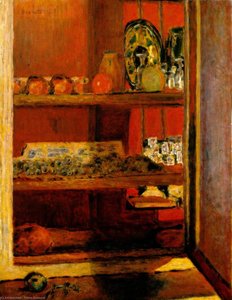
Bonnard'ın renk ustalığı, tartışmasız en belirleyici özelliğidir. Rengi sadece kullanmaz, onu hisseder ve resimlerinin ruhunu ve atmosferini belirlemesine izin verirdi. Paleti canlı ama bir o kadar da nüanslıydı; genellikle parıltılı bir ışık hissi yaratan beklenmedik kombinasyonlar kullanırdı. Tamamlanmış tuvallere tekrar tekrar dönmesi ve mükemmel uyuma ulaşmak için birden fazla eserde renkleri ince ince ayarlaması, onun kromatik dengeye olan takıntılı bağlılığının bir kanıtıdır. Bu, gerçekçi bir temsil çabası değil; rengin öznel deneyimini, duyguları ve anıları uyandırma gücünü yakalama çabasıydı. Doğrudan gözlemden uzaklaşarak hatıralardan resmetmeyi tercih etmesi, sahnelerine rüya benzeri bir nitelik kazandırmasına olanak tanıdı. Manzaraları sadece mekan tasvirleri değil, kişisel deneyim süzgecinden geçmiş duygusal tepkilerdi.
Geç Dönem ve Kalıcı Miras
Bonnard olgunlaştıkça, sanatsal odağı renk ve ışığın keşfine doğru daha da kaydı. Akdeniz manzarasının ve onun yoğun ışıltısının büyüsüne kapılarak, hayatının artan bir kısmını Fransa'nın güneyinde geçirdi. Eşi ve ömür boyu ilham perisi olan Marthe de Meligny ile olan ilişkisi, yaşamının ve sanatının merkezinde kalmaya devam etti. Marthe, tablolarında sıkça görünür; genellikle banyo yaparken veya günlük aktivitelerle meşgulken tasvir edilir; varlığı sessiz bir zarafet ve samimiyet yayar. 1912 yılında Giverny yakınlarındaki Vernonnet'te “La Roulotte”yu satın alması, Claude Monet ile yakın bir dostluk kurmasını sağladı. Empresyonizmin ustasına olan bu yakınlık, Bonnard'ın kendi özgün sanatsal vizyonunu korumakla birlikte, ışık ve renk arayışını daha da körükledi. 1947 yılındaki ölümünden kısa bir süre öncesine kadar resim yapmaya devam ederek, bugün bile büyülemeye ve ilham vermeye devam eden bir eser külliyatı bıraktı. Bonnard'ın sonraki nesil sanatçılar üzerindeki etkisi yadsınamaz. Öznel deneyime verdiği önem, renk kullanımındaki ustalığı ve gündelik olanı yüceltmesi modern sanat üzerinde silinmez bir iz bırakmıştır. Güzelliğin görkemli jestlerde veya kahramanca anlatılarda değil, ışıkla yıkanmış ve duyguyla yoğrulmuş hayatın sessiz anlarında bulunabileceğini tüm dünyaya kanıtlamıştır.
Önemli Eserler ve Koleksiyonlar
- Ekoseli Elbiseli Kadın (1890): Nabi etkisindeki stilinin erken bir örneği olup, düzleştirilmiş formları ve cesur renk kombinasyonlarını sergiler.
- Yemek Odası (1913): Ev yaşamının sıcaklığını ve samimiyetini yakalayan, İntimist tarzın en saf örneklerinden biri.
- Meyve Kasesi (yaklaşık 1933): Canlı renkler ve ışıklı bir derinlik hissiyle natürmort ustalığını gösterir.
- Badem Ağacı Çiçek Açarken (1947): Ölümünden sadece günler önce tamamlanan son tablolarından biri olup, renk ve ışık arayışının zirvesini temsil eder.
Bonnard'ın eserleri dünya çapında önde gelen şu müzelerde bulunabilir:
- Musée Marmottan Monet, Paris, Fransa
- Art Institute of Chicago
- Museum of Modern Art, New York City
- Tate Modern, Londra
Onun mirası; rengin, ışığın ve gündelik hayatın bitmeyen güzelliğinin bir kanıtı olarak varlığını sürdürmektedir.



 Önizleme yap
 El yapımı tablo satın al
 Paylaş
 Paylaş
 Detayları Gör

 İndir
İndir
 Benzerlerini gör
 X-Işını
 Slayt Gösterisi
 İstatistikler


 Tümünü Gör






































 Cam seçeneği yalnızca 110 cm altındaki boyutlar için mevcuttur.