ÜCRETSİZ SANAT DANIŞMANLIĞI

x
Baskıyı satın al Baskıyı satın alTabloyu Sipariş Et Tabloyu Sipariş Et PaylaşPaylaş
DetaylarDetaylar Favorilere ekle Favorilere ekle İndirİndir Benzerlerini görBenzerlerini gör X-IşınıX-Işını Slayt GösterisiSlayt Gösterisi

Before Dinner

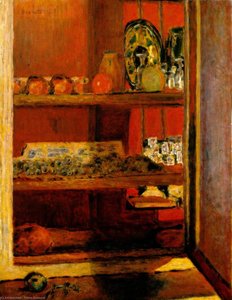
Experience Pierre Bonnard’s ‘Before Dinner,’ a captivating 1924 painting of a family enjoying a quiet meal in a warmly lit domestic setting, showcasing the artist's signature style and color palette. Discover this beautiful artwork and bring its charm into your home.

Pierre Bonnard (1867-1947), Fransız İntişazımcı ve Baskı Resim Sanatçısı olarak renklerin duygusal gücüyle öne çıkan eserleriyle tanınır. Özellikle "Kadın Çekerek Giyinmiş Ünlü Örtüsü" tablosu ve İntişazım tarzıyla unutulmaz bir iz bırakmıştır!

Çevrimiçi önizlemeden çok daha üstün, yüksek çözünürlüklü ve iyileştirilmiş bir dijital görüntü satın alın.

Her dosya, uzman ekibimiz tarafından gelişmiş araçlar ve titiz manuel rötuş teknikleri kullanılarak özenle hazırlanır. Her görüntünün olağanüstü netliğe, kusursuz renk doğruluğuna ve ince ayrıntılara sahip olduğundan emin oluruz.

Son dosya; profesyonel, editoryal ve baskı süreçlerinde anında kullanıma uygun şekilde optimize edilerek 72 saat içinde e-posta yoluyla teslim edilir. Bu, seçkin tasarım stüdyoları, yayıncılar ve galerilerin güvendiği aynı kalite standartlarındadır.

Dijital Görsel

Kişisel sergileme, baskı ve yaratıcı projeleriniz için yüksek çözünürlüklü bir dosya indirin.

Toplam Tutar

$9.99

Her Dijital Görüntü Siparişinde Dahil Olanlar

Uzman Dijital Teslimat, Garantili

WahooArt.com seçtiğinizde, sadece bir görsel edinmekle kalmaz; titizlikle hazırlanmış, profesyonelce iyileştirilmiş dijital bir sanat eserine sahip olur ve memnuniyet garantisiyle güvence altına alınırsınız. Siparişinizle birlikte otomatik olarak sunulan her şey şunlardır:

shipping_icon
Hızlı E-posta ile Teslimat

Yüksek çözünürlüklü dijital görüntü dosyanız, siparişinizin üzerinden en geç 72 saat geçmeden e-posta ile size gönderilecektir; hemen kullanıma hazırdır.

canvas_icon
Yapay Zeka İle İyileştirilmiş Dijital Dosya

Sanat eseriniz; maksimum detay, netlik ve renk doğruluğu sağlamak amacıyla gelişmiş yapay zeka araçları ve manuel düzenleme kullanılarak profesyonelce optimize edilmektedir.

insurance_icon
Ömür Boyu Ücretsiz Yeniden Gönderim

Dosyanızı yanlışlıkla mı sildiniz yoksa kayıp mı oldu? Endişelenmeyin; dosyanızı dilediğiniz zaman size ücretsiz olarak tekrar göndereceğiz.

tax_icon
Hiçbir Zaman İthalat Ücreti Ödemeyin

Sanat eserinizin tadını gümrük vergisi, harç veya teslimat ücreti ödemeden anında çıkarın; dijital indirmeler her zaman vergiden muaftır.

color_icon
Renk Doğruluğu Garantisi

Profesyonel araçlar ve renk yönetimi kullanarak dijital görselinizin orijinal renklere mümkün olduğunca yakın yansıtılmasını sağlıyoruz.

return_icon
60 Günlük Memnuniyet Garantisi

If you're not satisfied with your digital image, we'll revise it or refund 100% within 60 days - no questions asked.

guarantee_icon
100% Para İadesi Garantisi

Memnun kalmadınız mı? Dijital dosyanızı aldıktan sonraki 60 gün içinde, hiçbir soru sorulmaksızın tam iade alın.

discount_icon
Toplu Sipariş İndirimleri

Buy 3 images, save 10% - Buy 5, save 15% - Buy 10+, save 20%. Great for creative projects, galleries, and agencies.

Hızlı Bilgiler

  • Movement: Nabis
  • Notable elements: Family dinner scene
  • Artistic style: Post-Impressionism
  • Artist: Pierre Bonnard
  • Medium: Oil on canvas
  • Subject or theme: Domesticity, dining
  • Dimensions: 90 x 106 cm

Koleksiyon Detayları

A Moment of Domestic Tranquility: Pierre Bonnard’s “Before Dinner”

Pierre Bonnard's "Before Dinner," painted in 1924, offers a poignant glimpse into the quiet intimacy of everyday life – a scene rendered with the masterly precision and luminous color palette that defined his mature style. Measuring 90 x 106 cm, this work captures a family gathered around a dining table, not as a grand spectacle but as a tender tableau of shared moments. The composition immediately draws the eye to the two figures seated at the table, their postures suggesting a comfortable familiarity, perhaps lost in conversation or simply enjoying the anticipation of the meal to come. Bonnard’s ability to distill complex emotion into simple gestures is evident in the woman on the right, her gaze downward hinting at a private thought or observation – a subtle detail that elevates the scene beyond mere representation.

The Nabis Influence and Bonnard's Palette

Painted during a period of relative stability after World War I, “Before Dinner” reflects Bonnard’s continued engagement with the principles of the Nabis group, of which he was a founding member. The Nabis, meaning "the prophets," sought to use color as the primary means of expression, rejecting academic realism in favor of subjective perception. This is powerfully evident in Bonnard's masterful manipulation of light and shadow, creating an atmosphere that is both warm and subtly melancholic. Notice the interplay of ochres, blues, and greens – colors he frequently employed to evoke a sense of nostalgia and domestic comfort. His technique involved layering thin glazes of paint, building up depth and luminosity with remarkable skill. The brushstrokes are visible yet controlled, contributing to the painting’s tactile quality and reinforcing its impressionistic character.

Symbolism of Still Life and Family

Beyond its immediate depiction of a family meal, “Before Dinner” is rich in symbolic resonance. The carefully arranged table setting – the wine glasses, cutlery, and bottles – transcends mere practicality; it becomes a still life imbued with emotional significance. These objects are not simply props but contribute to the overall mood and narrative. The presence of multiple items suggests abundance and warmth, while the slightly disordered arrangement hints at the natural chaos of family life. Bonnard’s focus on domestic subjects was a deliberate choice, reflecting his deep empathy for the lives of ordinary people and his desire to capture the beauty he found in everyday moments. This work speaks to the core values of the time – family, comfort, and simple pleasures.

A Legacy of Light and Emotion

"Before Dinner" stands as a testament to Pierre Bonnard’s enduring legacy as one of France's most beloved Impressionist painters. Its quiet beauty, coupled with its technical brilliance, continues to resonate with viewers today. This hand-painted reproduction offers an exceptional opportunity to experience the full impact of Bonnard’s artistic vision – a chance to bring a touch of his luminous world into your own home or office. The meticulous detail and vibrant colors faithfully recreate the original painting's emotional depth, making it a truly captivating addition to any art collection.


Sanatçı Özgeçmişi

Pierre Bonnard (1867-1947): A Life Bathed in Light

Pierre Bonnard, born October 3, 1867, in Fontenay-aux-Roses, France, wasn’t initially destined for a life devoted to artistic pursuits. His father, Henri Bonnard, was a high-ranking official within the French Ministry of War—a position that instilled in young Pierre a sense of duty and practicality alongside an innate curiosity about the world around him. Despite his father's aspirations for him to follow a legal career, Pierre’s passions lay elsewhere: specifically, in the captivating realm of color and form—a fascination that would irrevocably shape his artistic trajectory. He began his formal education at the École Supérieure des Beaux-Arts in Paris, where he honed his observational skills and experimented with various artistic styles before gravitating towards Impressionism and subsequently embracing the avant-garde spirit championed by Les Nabis.

Early Influences & The Impressionist Legacy

Bonnard’s formative years were profoundly impacted by the Impressionists—artists like Claude Monet and Camille Pissarro who revolutionized painting by prioritizing fleeting impressions of light and color over meticulous detail. Monet's landscapes, particularly his depictions of Giverny’s water lily pond, instilled in Bonnard a deep appreciation for capturing atmospheric conditions and conveying emotion through tonal variations. However, Bonnard quickly recognized the limitations of Impressionism’s focus on external observation and sought to delve deeper into the inner landscape—a quest that would propel him toward the Symbolist movement and its exploration of subjective experience. The influence of Japanese prints—their flattened perspectives, bold compositions, and harmonious color palettes—was equally significant. Bonnard was captivated by their elegance and simplicity, adopting techniques borrowed from Japanese printmaking to achieve a distinctive visual aesthetic.

The Nabi Years: Embracing Spirituality & Flattened Forms

Bonnard’s artistic breakthrough occurred during his association with Les Nabis—a group of artists who championed spiritual symbolism alongside Impressionistic color palettes. Maurice Denis, Paul Sérusier, and Édouard Vuillard formed the core of this influential collective, rejecting academic conventions and striving to express profound emotions through stylized forms and vibrant hues. Bonnard’s participation in the Nabi movement marked a decisive shift away from purely representational art; he began to prioritize conveying inner feeling over accurately depicting external reality. The Nabis's rejection of traditional perspective—flattening forms and reducing depth—allowed Bonnard to create paintings that possessed an ethereal quality, capturing the essence of memory and atmosphere with remarkable sensitivity. He famously revisited completed canvases multiple times, subtly adjusting colors across works to achieve perfect harmony – a testament to his obsessive dedication to chromatic balance.

Signature Style & The Intimist Aesthetic

Bonnard’s artistic style evolved into what is now universally recognized as “Intimism”—a term that encapsulates the core of his aesthetic vision. He eschewed grand narratives and historical grandeur, instead focusing on capturing quiet moments of domestic life—scenes of everyday existence rendered with understated elegance and profound emotional resonance. Bonnard's subjects were often ordinary individuals engaged in familiar activities: a woman bathing, a family gathered for dinner, or simply enjoying the warmth of sunlight filtering through a window. These weren’t merely depictions of places; they were distillations of feeling—evocations of memory and atmosphere imbued with a dreamlike quality. Bonnard's masterful use of color—particularly his ability to capture subtle tonal variations—was arguably his most defining characteristic. He didn’t simply *use* color; he *felt* it, allowing it to dictate the mood and atmosphere of his paintings. His palette was vibrant yet nuanced, often employing unexpected combinations that created a sense of shimmering luminosity.

Later Life & Legacy

Bonnard continued painting until his death January 23, 1947, in Vernet, France—a place he had purchased in 1912 and where he cultivated close friendships with Claude Monet and other fellow artists. He remained steadfastly committed to exploring color and light throughout his later years, refining his technique and deepening his artistic vision. Bonnard’s influence on subsequent generations of painters is undeniable; his emphasis on subjective experience, his masterful use of color, and his celebration of the everyday have cemented his place as one of the most important figures in modern art. His paintings—characterized by their luminous palettes, flattened forms, and evocative atmospheres—continue to inspire artists today and resonate deeply with audiences worldwide. Bonnard’s legacy endures as a testament to the transformative power of artistic expression—a reminder that beauty can be found not in grand gestures or heroic narratives but in the quiet contemplation of life itself.
  • Woman in Checkered Dress (1890): An early example of his Nabi-influenced style, showcasing flattened forms and bold color combinations.
  • The Dining Room (1913): A quintessential Intimist scene, capturing the warmth and intimacy of domestic life.
  • Bowl of Fruit (c. 1933): Demonstrates his mastery of still life, with vibrant colors and a sense of luminous depth.
  • The Almond Tree in Blossom (1947): One of his last paintings, completed just days before his death, showcasing his continued exploration of color and light.
Bonnard’s works can be found in prominent museums worldwide:
  • Musée Marmottan Monet, Paris, France
  • Art Institute of Chicago
  • Museum of Modern Art, New York City
  • Tate Modern, London
Pierre Bonnard

Pierre Bonnard

1867 - 1947 , Fransa

Kısa Bilgiler

  • Artistic Movement Or Style: İzlenimcilik, İntimist tarzı
  • Artists Or Movements Influenced By This Artist: ['Nabiler']
  • Artists Who Influenced This Artist:
    • Paul Gauguin
    • Hokusai
  • Date Of Birth: 3 Ekim 1867
  • Date Of Death: 23 Ocak 1947
  • Full Name: Pierre Bonnard
  • Nationality: Fransız
  • Notable Artworks:
    • Kadın Çekerek Giyinmiş
    • Badem Ağacı Çiçeğe Dönüşüyor
  • Place Of Birth: Fontenay-aux-Roses, Fransa