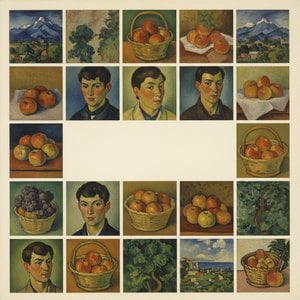
Renk ve Formun İçinde Yaşanan Bir Hayat: Paul Klee
Paul Klee, 20. yüzyıl sanatının panoramasına kendine özgü bir yer edinmiş, oyunbaz soyutlaması ve derin duygusal yoğunluğuyla tanınan bir isimdir. 18 Aralık 1879’da İsviçre'nin Münchenbuchsee kasabasında doğmuş olan Klee’nin sanatsal yolculuğu, sürekli bir keşif süreci olmuş, kolayca sınıflandırılamayan ve Ekspresyonizm, Kübizm ve Sürrealizm etkilerini kendine has bir görsel dile dönüştüren bir yola girmiştir. Klee'nin çocukluğu sanatlara yönelik erken bir duyarlılığı beslemiş; babası Alman müzik öğretmeni Hans Wilhelm Klee ve annesi İsviçreli şarkıcı Ida Marie Klee, hem işitsel hem de görsel uyum için bir hassasiyet aşılamışlardır. Bu temel bağlantı, müziğin ve resmin hem kompozisyon yaklaşımını şekillendiren hem de sanatı müzikal düzenlemeye benzer soyut bir ifade biçimi olarak teorik anlayışını etkileyen bir tanımlayıcı özellik haline gelmiştir. Çizime ilgi duyan Klee, kısa süre sonra gerçekçi temsili terk ederek iç dünyasının duygularını ve fikirlerini iletmede sınırlı olduğunu fark etmiştir. 1898 ile 1901 yılları arasında Münih Güzel Sanatlar Akademisi'nde eğitim almış, bu dönem denemelerle ve kendine özgü sanatsal sesinin gelişimleriyle karakterize olmuştur.
Sanatsal Bir Vizyonun Şekillenmesi
Klee’nin ilk çalışmaları Art Nouveau ve Sembolizm etkilerini yansıtmakla birlikte, bu çerçeveler içinde bile gelecekteki tarzının ipuçları ortaya çıkmaya başlamıştır. Sanat gelişimindeki önemli bir dönüm noktası 1914 yılında Tunus'a yaptığı seyahattir. Kuzey Afrika’nın yoğun ışığı ve canlı atmosferi renk kullanımını etkileyerek daha cesur, daha ifade gücü olan paletlere doğru hareket etmesini sağlamıştır. Bu deneyim bir dönüm noktası olmuş, algının özünü yansıtmanın basit bir kopyası olmaktan ziyade bir araç olarak soyutlamaya bağlılığını pekiştirmiştir. O sadece Tunus’u *görmüyor;* duygusal yankısını görsel forma çeviriyordu. Bu dönem boyunca Klee çeşitli sanatsal akımlarla etkileşimde bulunmuş, onların ilkelerini özümserken aynı zamanda herhangi bir tek ideolojiye tam olarak uymayı reddetmiştir. Müziğe olan ilgisi ön planda kalmış ve sıklıkla resmin, uyumlu bir bütün yaratmak için unsurların dikkatli bir düzenlemesiyle müzikal parçaların bestelenmesine benzer bir süreç olduğunu belirterek sanat teorisine dair düşüncelerini ifade etmiştir. Bu sinestetik yaklaşım, birçok eserinde görülen ritmik çizgi kalitesinde, renklerin narin dengesinde ve genel olarak hareket hissi yaratan unsurlarda kendini göstermektedir.
Bauhaus ve Ötesi: Verimli Bir Dönem
1931’den 1933’e kadar Klee, ünlü Alman sanat, tasarım ve mimarlık okulu Bauhaus'ta bir öğretim pozisyonu kabul etmiştir. Bu dönem sanatsal gelişimi için oldukça verimli olmuştur. Yenilikçi düşünürler ve sanatçılarla çevrili olarak, deneyleri ve teorik araştırmaları teşvik eden bir ortamda gelişmiştir. Bu yıllardaki çalışmaları renk teorisi ve biçimsel ilişkilerle daha derine inerek soyut formlar ile duygusal ifade arasındaki etkileşimi keşfetmiştir. Ancak bu yaratıcı cennet, Almanya'daki Nazilerin yükselişiyle gölgelenmiştir. 1933 yılında sanatı "bozguna" benzediği gerekçesiyle Bauhaus’tan uzaklaştırılmış ve siyasi ideolojinin sanatsal özgürlüğü bastırmasının soğuk bir kanıtı olmuştur. Ana vatanına geri dönmek zorunda kalan Klee resim yapmaya devam etmiş, ancak artan siyasi karmaşa ve kişisel zorlukların gölgesinde sağlığı kötüleşmiştir. Bu zorluklara rağmen Klee sanatsal vizyonuna bağlı kalmış, çağın kaygılarını yansıtan ve sanatın zorluğa karşı bile üstesinden gelebilme gücüne olan sarsılmaz inancını ifade eden eserler üretmiştir.
Temalar, Stil ve Kalıcı Miras
Paul Klee’nin çalışması oyunbazlık ile derin kederin büyüleyici bir karışımıyla karakterizedir. Sıklıkla çocuksu imgeler ve tuhaf kompozisyonlar kullanarak onlara çok katmanlı sembolik anlamlar yüklemiştir. Sanatındaki tekrar eden temalar arasında bahçeler, manzaralar, portreler ve soyut düzenlemeler yer alır; her biri insan deneyiminin karmaşıklıklarını keşfetmek için bir araç görevi görür. Ölümünden sonra yayınlanan “Paul Klee Not Defterleri”, renk ve tasarım üzerine yaptığı kapsamlı teorik araştırmılara paha biçilmez fikirler sunarak sanatsal yaratımın ilkelerine dayalı bir görsel dil inşa etme konusundaki titiz ve entelektüel yaklaşımını ortaya koymaktadır. O sadece resim yapmıyordu; uyum, denge ve duygusal yankı ilkelerine dayanan bir görsel dil oluşturuyordu.
Hamamet,
Siblings ve
En la corriente seis umbrales, renk ustalığını ve formu sergileyen eserlerden sadece birkaçıdır. Paul Klee, 29 Haziran 1940’ta Muralto, İsviçre'de hayata veda ederek, dünya çapında sanatçıları ilham veren ve izleyicileri büyüleyen bir miras bırakmıştır. Görsel kültür dünyasına kalıcı olarak katkıda bulunan, figüratif ve soyut ifadenin arasına köprü kuran ve ikonik bir yenilikçi olarak haklı ün kazanan 20. yüzyılın en önemli sanatçılarından biri olarak kabul edilmektedir.
Müzeler & Daha Fazla Keşif
- Zentrum Paul Klee (Bern): Klee'nin eserlerinin dünyanın en büyük koleksiyonuna ev sahipliği yaparak, sanatsal yolculuğunun kapsamlı bir genel görünümünü sunmaktadır.
- Bern Güzel Sanatlar Müzesi: Picasso ve Hodler gibi diğer modern ustalarla birlikte Klee’ye ait önemli parçaları sergilemektedir.
- Kunstmuseum Bern: Klee ve diğer modern ustaların çeşitli bir koleksiyonunu sergileyen İsviçre'nin en eski sanat müzesidir.
Etkisi resmin ötesine geçerek tasarım, mimari ve müzik gibi alanları etkilemektedir. Paul Klee’nin eserlerinin kalıcı çekiciliği, hayranlık duygusunu uyandırma ve izleyicileri hem duygusal hem de entelektüel düzeyde sanatla etkileşim kurmaya davet etme yeteneğinde yatmaktadır - bu da onun dahiliğinin ve görsel kültür dünyasına yaptığı kalıcı katkının bir kanıtıdır.



 Önizle
 Baskı Satışına Geç
 Gönder
 Paylaş
 Detaylar
 Rehber

 Dosyayı İndir
 Benzerleri
 X-Işını
 Slayt Gösterisi
 İstatistikler

 Devamını Oku






































 Cam seçeneği yalnızca 110 cm altındaki boyutlar için mevcuttur.