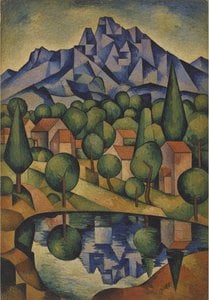
Sanatçı Özgeçmişi
Dâhi Bir Vizyon: Paul Cézanne’ın Hayatı ve Sanatı
Paul Cézanne, 1839 yılında Aix-en-Provence'da doğmuş, empresyonizmin geçici izlenimleriyle kübizmin parçalanmış formları arasında bir köprü görevi gören, sanat tarihinde devasa bir figür olarak tarihe geçmiştir. Yolculuğu, hemen kabul görme şeklinde olmamış; aksine, sanatsal keşiflerle dolu, şüphe ve eleştirilerle işaretlenmiş yavaş bir gelişim süreciydi. Sonunda modern sanatın seyrini derinden etkileyecek bir miras bırakmıştır. Babası ilk olarak şapkam yapımcısı, daha sonra bankacı olan mütevazı ama varlıklı bir ailede doğan Cézanne, hırslı sanatçılar için alışılmadık bir finansal güvenceye sahipti ve bu sayede ticari başarı baskısı olmadan tutkusuna kendini adamasına izin veriyordu. Babasının beklentileri doğrultusunda hukuk kariyerine yönlendirilse de sanatsal ifade dürtüsü çok güçlüydü ve hayatını tanımlayacak olan resme adanmak için hukuku terk etti. Erken dönem etkileri, gençliğinde hakim olan romantizm ve Barbizon okulunun manzara sevgisiydi; ancak Paul Gauguin ve Georges Seurat gibi sanatçılarla karşılaşması ve onların renk ve formlara getirdiği yenilikçi yaklaşımları, Cézanne’ı kendi kendine özgü yolunu çizmeye yöneltti.
Karanlıktan Yapıya: Bir Tarzın Evrimi
Cézanne'ın ilk dönem eserleri genellikle romantik resmin karakteristik özelliklerini yansıtan dramatik ve duygusal temaları ifade ediyordu – tuvallerini karanlık paletler ve etkileyici fırça darbeleri domine ediyordu. Ancak bu başlangıç aşaması, çok daha analitik ve çığır açan bir yaklaşıma doğru atılmış bir adımdı. Empresyonistlerin favori olarak gördükleri ışığın geçici izlenimlerini yakalamanın ötesinde tatmin olmayan Cézanne, nesnelerin altında yatan yapıyı anlamak ve temsil etmek için bir arayışa girdi. Sadece *neyi* gördüğünü değil, aynı zamanda gerçekliği oluşturan temel formları nasıl algıladığını merak etti. Bu durum onu doğal şekilleri geometrik eşdeğerlerine – konilere, silindirlere, kürelere – indirgemeye yöneltti ve bu da onlar ortaya çıkmadan onlarca yıl önce Kübizm devrimini öngörmüştü. Tekniği, karmaşık renk alanları ve dokular oluşturmak için dikkatlice katmanlanmış küçük, tekrarlayan fırça darbeleriyle karakterize oldu; daha önce resimde görülmemiş bir sağlamlık ve derinlik hissi yarattı. İllüzyonist uzayla ilgilenmiyordu; bunun yerine nesneleri aynı anda birden fazla bakış açısından sunarak geleneksel perspektif kavramlarını zorladı ve izleyicinin kompozisyonunun inşa edilmiş doğasıyla aktif olarak etkileşim kurmasını sağladı. Bu kasıtlı bozulma rastgele değildi, aksine formun daha eksiksiz bir anlayışını iletme çabasıydı; sadece belirli bir zamanda yakalanan bir an değil, algının bir senteziydi.
Manzara, Natürmort ve İnsan Formu: Temel Eserler ve Tekrarlayan Motifler
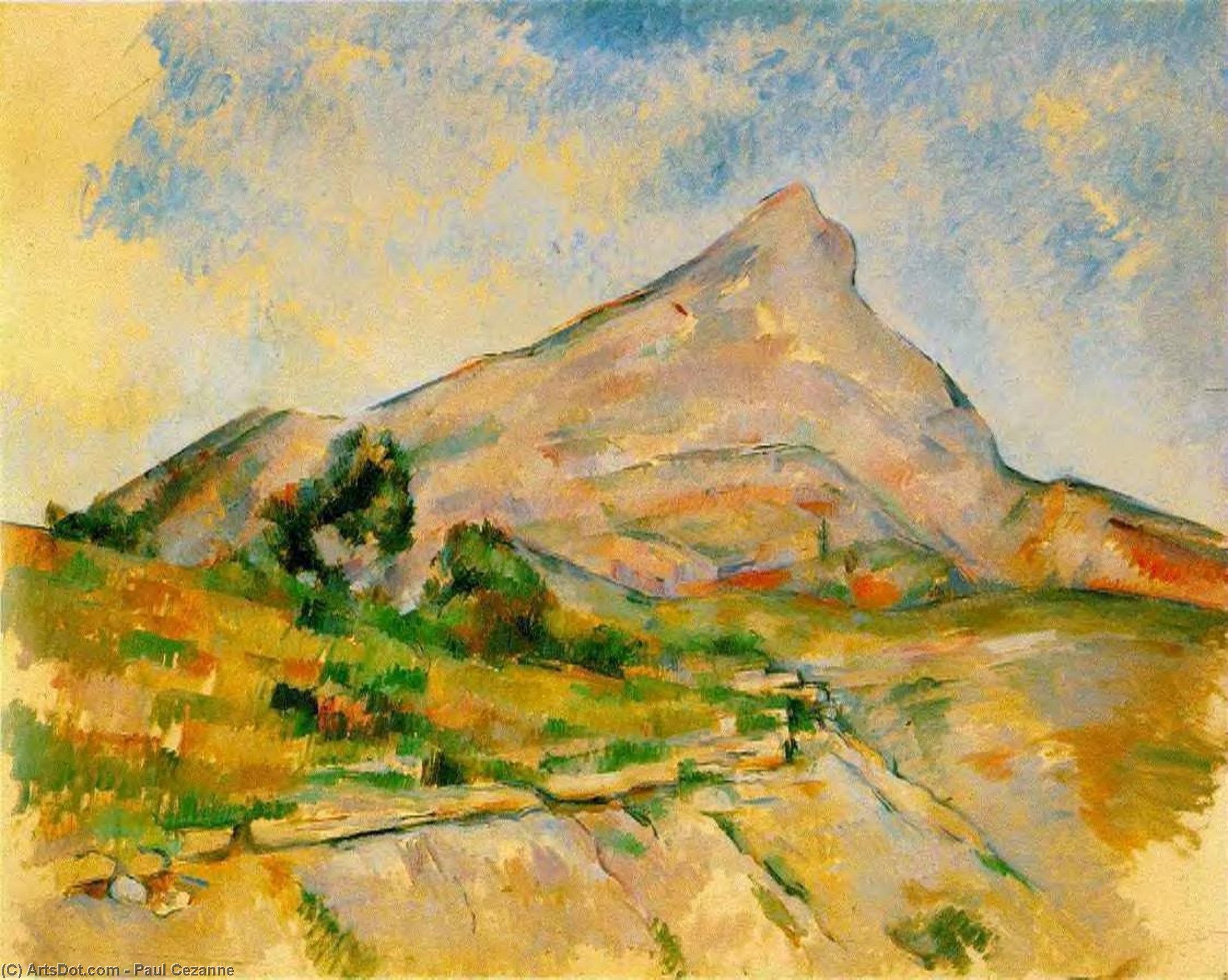
Cézanne’ın yapıtı şaşırtıcı derecede çeşitlidir; manzaralar, natürmortlar, portreler ve banyocular tasvirleri içerir; ancak hepsi benzersiz form ve renk yaklaşımıyla birleştirilmiştir. 1880 yılında resmettiği Jas de Bouffan'daki Havuz, şekil ve tonların dikkatli bir düzenlemesi aracılığıyla doğanın özünü yakalama yeteneğini sergileyen manzara çalışmalarını örneklendirir. 1866 yılında oluşturulan Émile Zola Portresi, gelişen tarzına ışık tutar ve yakın arkadaşı ve yazarla arasındaki zihinsel yoğunluğun etkileyici bir bakış açısını sunar. Natürmortları, nesnelerin basit temsilleri olmanın ötesinde hacim, ışık ve mekansal ilişkilerin keşifleridir. Mont Sainte-Victoire serisi Cézanne için bir takıntı haline geldi; onlarca yıl boyunca form ve perspektifi araştırmasına olanak tanıyan tekrarlayan bir motif oldu. Bu resimler sadece bir dağın tasviri değildir; derinlik, hacim ve ışık ve gölge arasındaki etkileşimin nasıl algılandığını incelemelerdir. Son olarak, banyocular serisi, idealize edilmiş manzaralarda çıplak figürleri betimleyerek insan formunun doğayla olan bağlantısını temsil eder ve genellikle zamansızlık ve sessiz bir düşünce duygusuyla yüklüdür.
Yenilikle Damgalanan Bir Miras: Cézanne’ın Modern Sanat Üzerindeki Etkisi
Paul Cézanne'ın sonraki sanat nesilleri üzerindeki etkisi ölçülemez. Resim diline yaptığı çığır açan katkılar nedeniyle 20. yüzyılın başlıca sanatsal akımlarından birçokına zemin hazırlayarak modern sanatın "babası" olarak yaygın olarak kabul edilir. Pablo Picasso ve Georges Braque, Cézanne'ın geometrik formlara ve çoklu perspektiflere verdiği önemden derinden etkilendi ve bunlar Kübizm’in merkezi ilkelerinden biri haline geldi. Cesur renk kullanımı da Henri Matisse liderliğindeki Fauvist hareketini etkiledi; sanatçılar alışılmadık, doğal olmayan canlı tonları kucakladılar. Hatta Empresyonist sanatçılar bile Cézanne'ın öznel algı ve psikolojik derinlik keşfini yankı buldu. Belirli akımların ötesinde, Cézanne’ın sanatçının kişisel vizyonuna olan ısrarı ve geleneksel akademik kısıtlamaları reddetmesi, nesiller boyu ressamı yeni ifade biçimlerini keşfetme özgürlüğü bahşetti. Temsilin tanımını değiştirdi; taklit etmekten ziyade, altta yatan yapıya ve öznel algıya dayanan görsel bir deneyim inşa etmeye odaklandı. 1906'daki ölümü bir son değil, yeni bir çağın şafağını – sanat tarihi üzerinde devrimci vizyonuyla derinden şekillenen – işaret etti.


 Önizleme yap
 El yapımı tablo satın al
 Paylaş
 Paylaş
 Detayları Gör
 Rehber

 İndir
İndir
 Benzerlerini gör
 X-Işını
 Slayt Gösterisi
 İstatistikler

 Tümünü Gör






































 Cam seçeneği yalnızca 110 cm altındaki boyutlar için mevcuttur.