

Bu sayfada sergilenen eser telif hakkı yasasıyla korunmaktadır; bu da yasal olarak eserin birebir kopyasını oluşturamayacağımız veya satamayacağımız anlamına gelir. Bu koruma, aşağıdakiler gibi uluslararası anlaşmalar kapsamında uygulanmaktadır: Bern Sözleşmesi ve aşağıdakiler de dahil olmak üzere ulusal yasalarca belirlenen ABD Telif Hakkı Kanunu - 17. Başlık.
Bu yöntem, koruma altındaki sanat eserinin kopyalanmasını veya çoğaltılmasını içermediği için telif hakkı düzenlemelerine tam uyum sağlar. Bunun yerine, yaratıcı bir yeniden yorumlamadır; orijinalinden etkilenen ancak onunla aynı olmayan yeni bir tablodur.
Hızlı üretim ve esnek bitiş seçenekleriyle müze kalitesinde giclée veya kanvas baskı. ( El Yapımı Tablo Satın Al Dijital Görsele Geç)





























Eserin orijinal oranlarıyla uyumlu, önceden belirlenmiş boyutlarımız arasından seçim yapın.

Çerçevenize veya duvarınıza uygun olması için ihtiyacınız olan genişlik ve yüksekliği yazın. Bir baskı yalnızca kesilebilir, görselden daha büyük hale getirilemez; bu nedenle farklı bir formdaki boyut seçimi, görselin bir kısmının kaybına neden olur. Herhangi bir baskı yapmadan önce onaylamanız için size bir dijital taslak gönderiyoruz. Bu sayfada gösterilen resim gerçek kesimi göstermez — bunu yalnızca taslak gösterir.
Dünya Çapında Teslimat (); standart 4/5 hafta yerine 2 haftada. (9 Kasım)
La cogida
Reproduksiyon Boyutu
Algılanan parlaklık açısından Pablo Picasso imzalı "La cogida", brilliant düzeyindedir.
Pablo Picasso, "La cogida" adlı eserini Cubism akımı içerisinde yaratmıştır.
Pablo Picasso aynı zamanda Pablo Ruiz Y Picasso, Pablo Diego José Ruiz Picasso olarak da bilinir.

İspanya'nın Málaga şehrinde, 25 Ekim 1881 tarihinde Pablo Picasso adında bir çocuk dünyaya gözlerini açtı. Bir fırçanın ağırlığını ve tuvalin disiplinini bilen bir adam olan José Ruiz Blasco ile María Picasso y López'in oğlu olarak hayata atıldı. Henüz çok küçük yaşlarda, çizime karşı huzursuz ve dizginlenemez bir tutku sergileyen bu çocuk, yeteneğinin ilk izlerini belki de henüz konuşmaya çalıştığı o ilk anlarda, "piz, piz" seslerinde göstermişti. Kendisi de bir ressam olan babası, oğlundaki bu parıltıyı erkenden fark etti ve bu filizlenen yeteneği beslemeyi kendine görev edindi. Babasının titiz ve disiplinli gözetimi altında, figür çiziminin temellerini ve yağlı boya resmin karmaşıklıklarını öğrenen genç çocuk, eski ustaların eserlerini kopyalama ve alçı modellerin formlarını inceleme konusunda ustalaşarak sanat yolculuğuna sağlam bir başlangıç yaptı.
Ailenin izlediği yol onları zamanla A Coruña üzerinden Barselona'ya sürükledi; ancak bu büyüme yılları, sessiz ve ağır bir kederin gölgesinde geçti. Pablo henüz yedi yaşındayken, kız kardeşi Conchita difteri nedeniyle hayata veda etti. Kaybın bu erken yaşlardaki sarsıcı etkisi, evde derin bir melankoli bıraktı; bu kasvetli hava, yıllar sonra sanatçının eserlerindeki renk tonlarına sızacak olan o duygusal derinliğin ilk tohumlarını ekti. Yaşanan bu ağır trajedilere rağmen, teknik gelişimi şaşırtıcı derecede hızlı bir seyir izledi. On üç yaşına geldiğinde, Barselona'daki ileri düzey sınıfların zorlu giriş sınavlarıyla karşı karşıyaydı. Diğer öğrenciler yeteneklerini kanıtlamak için haftalarca uğraşırken, o tüm gereklilikleri tek bir haftada tamamlayarak, eğitmenlerini bile doğal yeteneği karşısında hayrete düşüren bir hassasiyet sergiledi.
Ailesinin 1891 yılında A Coruña'ya taşınmasıyla birlikte, küçük çocuğun yolu Málaga'nın sıcaklığından uzaklaştı. Bu dönem, değişen manzaralarla birlikte sanatsal eğitimin resmi yapılarını keşfetmeye başladığı, yeteneğinin ise her geçen gün serpildiği bir süreçti. Kurşun kalem ve kağıt üzerindeki olağanüstü yatkınlığı şimdiden kendini gösteren elleri, eğitmenlerini sık sık hayrete düşüren bir hassasiyetle hareket ediyordu. Barselona Güzel Sanatlar Akademisi'nde bir öğrenci olarak, yeteneği akademinin geleneksel derslerini çoktan aşmaya başlamıştı. Daha fazlasını arayan genç sanatçı, nihayetinde Madrid'deki San Fernando Kraliyet Akademisi'nde kendini buldu ve burada ustaların katı beklentilerine karşı kendi sınırlarını zorladı.
Bu yıllarda ailenin üzerine çöken gölgeler, özellikle kız kardeşi Conchita'nın difteri nedeniyle kaybıyla daha da ağırlaştı. Bu derin keder, aileyi Barselona'ya taşınmaya itti; bu şehir, sanatçının erken dönem gelişiminin merkezi bir parçası olacaktı. Bu sokaklarda genç sanatçı, babasının eserlerinin basit bir taklidinin çoktan ötesine geçmişti. Çalışmalarının katı akademik kısıtlamalarına sık sık başkaldıran, huzursuz bir ruhtu. Dünyayı tamamen kendine has bir bakış açısıyla görmenin yolunu arayarak, kendini eski ustaların eserlerinin derinliklerine bırakmayı tercih etti.
Genç adamın ilk yılları ilerlerken, fırça darbelerine derin bir melankoli sızmaya başladı. 1901 ile 1904 yılları arasında, sanat tarihinde Mavi Dönem olarak bilinen evresine adım attı. Bu dönem, kişisel zorlukların ağır yükünden ve çevresindeki toplumsal acılara dair keskin bir farkındalıktan doğmuştu. Bakışlarını toplumun dışladığı kesimlere çeviren sanatçı; yalnızları, körleri ve dilencileri çivit mavisi ve gökyüzü mavisi tonlarında, kasvetli ve monokromatik bir dille resmetti. Bu tuvaller sadece insanları tasvir etmekle kalmıyor, sanki kendi iç dünyasının yankısı olan derin bir izolasyon duygusunu yakalıyordu. Renkler soğuktu; mesafeli ve acımasız görünen bir dünyayı yansıtıyordu.
1904 yılına gelindiğinde ise gölgeler çekilmeye başladı ve yerini hem mizaçta hem de paletinde belirgin bir değişime bıraktı. Bu geçiş, yaklaşık 1906 yılına kadar sürecek olan Pembe Dönem'e evrildi. O ağır mavi tonlar; yerini pembe, turuncu ve kırmızı gibi daha sıcak ve iyimser renklere bıraktı. Bu yıllarda Picasso'nun konuları da değişti; artık akrobatlar ve palyaçolar gibi sirk figürleri ön plana çıkıyordu. Bu dönem, sanatçının dünyaya renklerinin değişen sıcaklığıyla tepki verdiğini, kederin derinliklerinden daha nüanslı ve renkli bir gerçekliğe doğru yol aldığını gösteriyordu.
Pablo Picasso, 1904 yılında Paris'e yerleştiğinde, sanatçının o huzursuz ruhu çoktan görmenin geleneksel kurallarını yıkmanın yollarını aramaya başlamıştı. Bu süreçte yalnız bir yolcu olarak hareket etmedi; aksine, tuvalin yüzyıllardır süregelen anlaşılma biçimine radikal bir başkaldırı olan Kübizm akımının kurucularından biri oldu. Bu, katı ve somut dünyanın geometrik şekillerden oluşan bir mozaik gibi parçalanmaya başladığı, derin bir deneyim dönemiydi. Tek bir, sabit bir perspektifin yarattığı illüzyonu kırarak, bir nesnenin özünü aynı anda birçok farklı açıdan göstererek yakalamayı hedefledi.
Bu devrimin ilk aşaması Analitik Kübizm olarak biliniyordu. Bu evrede, sanki nesne üzerinde görsel bir otopsi yapıyormuşçasına formları parçalanmış, birbiri üzerine binen düzlemlere ayırarak, oldukça mat bir paletle çalıştı. Renkler genellikle kasvetliydi; bu durum, izleyicinin dikkatini renklerin sıcaklığından ziyade kompozisyonun yapısına ve karmaşık geometrisine odaklıyordu. Bu, görme eylemine yönelik entelektüel ve disiplinli bir yaklaşımdı.
Fikirleri evrildikçe, Kristal dönem olarak da adlandırılan Sentetik Kübizm evresine doğru ilerledi. Bu yaklaşım, kumaş parçaları ve gazete kupürleri gibi kolaj öğelerini doğrudan yüzeye dahil etmesiyle eserlerine yepyeni bir doku kazandırdı. Bu yöntem, erken yılların tamamen analitik parçalama yönteminden uzaklaşarak, gerçekliği bir araya getiren daha yapıcı bir yol izlemesini ve anlam ile malzemenin katmanlarını üst üste inşa etmesini sağladı. Bu yıllardaki çalışmaları, sanatın dilini yeniden icat etmeye yönelik sürekli ve dizginlenemez bir ihtiyacı yansıtıyordu.
1907 yılı, fırçasından dökülenlerin dünyayı algılama biçiminde derin bir kırılma yarattı. Les Demoiselles d'Avignon eserinin yaratılmasıyla birlikte, mekan ve formun geleneksel kurallarını parçalamaya başladı. Bu çalışma, gençlik yıllarındaki natüralizmden bir kopuşun habercisiydi; çok geçmeden görsel düşüncenin yeni bir dönemini tanımlayacak olan parçalanmış bir gerçekliğe doğru evriliyordu. Artık dünyayı sadece gözlemleyen bir sanatçı değildi; o, dünyanın altında yatan yapıyı anlamak için onu parçalarına ayırıyordu.
İnsanlık çatışmalarının yarattığı kaos, sanatçının trajedilere verdiği en güçlü tepkilerde sık sık kendine yer buldu. 1937 yılında, Bask Bölgesi'ndeki bir kasabaya düzenlenen yıkıcı saldırı olan Guernica bombardımanının haberleri ona ulaştığında, bu olay kurbanların acısını ölümsüzleştiren devasa bir yağlı boya tablo olan Guernica'nın doğuşuna vesile oldu. Siyah, beyaz ve gri tonlarından oluşan sert bir palet aracılığıyla; boynuzlanmış atın ıstırabını, çığlık atan kadınları ve yere serilmiş askeri resmetti. Bu eser, savaşın şiddetine karşı verilmiş ağır ve monokrom bir yanıt olarak varlığını sürdürmektedir.
Yaşlılık yıllarında bile sanatsal etkisi uzak şehirlerin meydanlarına kadar uzandı. 1967 yılında Chicago şehrine, COR-TEN çeliğinden yapılmış isimsiz, anıtsal bir heykel hediye etti. Afgan Tazısı Kabul'ün kafasını temsil ettiğini belirttiği bu devasa, elli foot boyundaki yapı, Daley Plaza'nın kentsel manzarasını dönüştürdü. Şehrin kalbinde cesur ve soyut bir varlık olarak yükselen bu eser, onun huzursuz ruhunun ağır metalde de en az yağlı boya ve tuval kadar kolay biçim bulabileceğini kanıtladı.
Elleri hiçbir zaman tek bir yöntemle yetinmedi; gördüğü dünyayı parçalarına ayırmak için sürekli yeni yollar aradı. Yıllar içinde, gençliğinin o disiplinli yağlı boya çalışmalarından olgunluk döneminin daha dokunsal deneylerine doğru, huzursuz bir enerjiyle evrildi. Kolaj sanatını kucakladı; gazete kupürlerini ve kumaş parçalarını kompozisyonlarına dahil ederek tuvalin düz yüzeyine meydan okuyan doku katmanları inşa etti. Yeni formlara duyduğu bu açlık, onu inşa edilmiş heykel sanatına yönlendirdi; burada geleneksel taş oymacılığının ötesine geçerek farklı malzemelerden figürler yarattı. O, birçok aracın adamıydı; ifadesini bazen pastel boyanın yumuşak dokunuşunda, bazen de kurşun kalemlerin hızlı ve kararlı çizgilerinde buldu.
Vizyonu genişledikçe, ileriye doğru hareket etmek için sık sık geçmişe dönüp baktı. Neoklasisizmin ağırlığına geri dönerek, heybetli ve anıtsal bir varlığa sahip, ağır figürler işledi. Bu, geçmişe bir kaçış değil, insan formunun yerçekimine ve ağırlığına dair bir keşif biçimiydi. Daha sonra, Sürrealizmin çarpıtılmış perspektiflerine kapıldı ve izleyiciyi rüya benzeri bir duruma çekmek için bilinçaltının imgelerini kullandı. Bir konuyu sadece resmetmekle kalmadı; onu sorguladı, genellikle geometrik şekillere bölerek gerçekliği aynı anda birden fazla açıdan nasıl algıladığımızı gösterdi. Sanatı, yapısal düzen ile duygusal kaos arasında süregelen bir mücadeleydi.
Yaratıcı yaşamının dalgaları, Paris ve Güney Fransa'daki atölyelerinin duvarlarını çok aşarak uzaklara ulaştı. Kübizm akımının kurucularından biri olarak, perspektifin geleneksel kurallarını yıkarak yeni ve parçalanmış bir gerçekliği açığa çıkardı ve gözün dünyayı algılama biçimini kökten değiştirdi. Bu değişim, tuvalden çok daha fazlasını yaptı; yirminci yüzyıl sanatının tüm akışını yeniden yönlendirerek nesnelerin yüzeyinin ötesine bakmaya teşvik eden nesiller yetiştirdi. İnsan varoluşunun karmaşıklıklarını ifade etmek için sürekli yeni görsel diller arayan, geleneklerin prangalarına vurulmayı reddeden huzursuz bir ruha sahipti.
Onun etkisi aynı zamanda toplumsal vicdan ve küresel semboller alanına da uzandı. Barışa olan derin bağlılığı sayesinde güvercini evrensel bir sembole dönüştürerek, kişisel inançlarını insanlığın kolektif umuduyla ilişkilendiren bir jestin öncüsü oldu. İspanya İç Savaşı'ndan Dünya Savaşları'na kadar kendi yüzyılının en şiddetli çalkantılarını bizzat yaşadı ve bu tür bir kaosu görsel bir dile tercüme edebilme yeteneği, eserlerinin insanlık durumuna tutulan bir ayna olarak kalmasını sağladı. Onun etkisi tek bir olay değil; modern kültürün dokusunu şekillendiren, sürekli gelişen ve evrilen bir mevcudiyetti.
Paris'teki Musée Picasso'nın koridorlarında yürümek, sanatçının o huzursuz ruhunun hala hissedilebildiği bir mabede adım atmak gibidir. Bu Parisli kurum, sanatçının düşünce dünyasının evrimine derin bir bakış sunarak, ilk dönemlerindeki o kasvetli deneylerden modern görüşü yeniden tanımlayan radikal değişimlere kadar uzanan izleri takip etmemizi sağlar. Kökenlerini sürmek isteyenler için ise İspanya'daki Museo Picasso Málaga, onun erken dönem eğitimini ve şekillendiği yılları bizzat şekillendiren topraklarda, başlangıç noktasına dair kopmaz bir bağ sunar.
Madrid'de, Museo Reina Sofía, savaşın kaosu karşısında verdiği tepkinin o ağır ve monokromatik ağırlığını barındırır. Sanatçının devasa, gri ve siyah tonlardaki yağlı boya şaheseri Guernica, bombalanan bir kasabanın acısıyla sert bir yüzleşme sunarak burada yaşamaktadır. Atlas Okyanusu'nun ötesinde ise New York'taki Metropolitan Museum of Art, eserlerinin önemli bir kısmını koruma altında tutarak izleyicilerin onun çok yönlü stilleriyle geniş ve uluslararası bir koleksiyon içinde karşılaşmasına olanak tanır. Bu kurumlar, sürekli bir yeniden icat süreciyle geçen bir yaşamın parçalarını muhafaza ederek, onun görsel dilinin birincil koruyucuları olarak görev yapmaktadır.

1881 - 1973 , İspanya

Explore the profound evolution of Cubism through an expert analysis of Pablo Picasso's revolutionary works. From Analytical to Synthetic Cubism, discover the techniques that redefined modern art and learn how to curate these iconic masterpieces for your private collection.
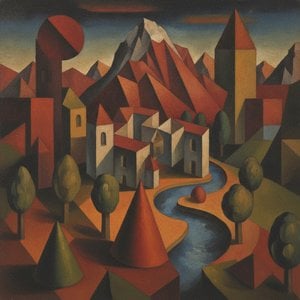
Explore the profound evolution of Cubist landscapes. Discover how masters like Braque and Picasso redefined perspective through geometric mastery, transforming nature into an intellectual mosaic of form and light for the discerning modern art collector.
 Gerçek Boyutta Önizle
 Paylaş
 Paylaş
 Detayları Gör
 Rehber

 İndir
İndir
 Benzer ürünler
 X-Işını
 Slayt Gösterisi
 Soru & Cevap
 İstatistikler
 Tümünü Gör









 Cam seçeneği yalnızca 110 cm altındaki boyutlar için mevcuttur.


