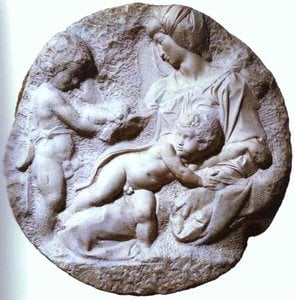
Rönesans'ın Taş ve Boyayla Yontulmuş İncisi: Michelangelo Buonarroti
Michelangelo Buonarroti, adı yüzyıllar boyunca insanlık sanat potansiyelinin bir kanıtı olarak yankılanan, Rönesans’ın zirvesiyle özdeşleşmiş bir isimdir. 6 Mart 1475'te İtalya'nın Toskana tepelerinde yer alan Caprese Michelangelo'da doğmuş olan hayatı, yetenek, hırs ve ilahi ilhamın olağanüstü bir birleşimini temsil eder. Babası başlangıçta sanatsal bir yola karşı dirense de, genç Michelangelo’nun içgüdüsel çizim yeteneği inkar edilemezdi; bu durum onu heykelcilik, ressamlık ve mimarlığın sınırlarını yeniden tanımlamaya doğru yöneltti. Domenico Ghirlandaio altında aldığı ilk çıraklık, fresk ve çizim becerileri için temel oluşturdu, ancak sanatsal ruhunun gerçekte antik çağın bir sığınağı olan Medici bahçelerinde uyandığı oldu. Yunan ve Roma heykellerinin incelenmesine derinlemesine dalan Michelangelo, tarzının alametifarikası haline gelecek anatomi, oran ve idealize edilmiş güzellik ilkelerini özümsedi. Bu şekillenici dönem yalnızca teknik bir eğitim değil; Rönesans’ın çiçek açtığı hümanist ideallere felsefi bir daldırmıştı—insan onuruna ve potansiyeline vurgu yapan ve Michelangelo'nun sanatsal vizyonunu derinden etkileyen bir şey.
Acının Pietà'sından Gücün Davud'una
Michelangelo’nun sanat dünyasındaki yükselişi şaşırtıcı derecede hızlıydı. 1496'da Roma'ya yaptığı yolculukta, ilk büyük komisyonunu aldı: *Pietà* heykelini oymak. Kardinal Jean de Bilhères için 1499’da tamamlanan bu nefes kesen mermer başyapıtı, Michelangelo'yu eşsiz beceri ve duygusal derinliğe sahip bir heykeltıraş olarak hemen yerleştirdi. Meryem'in yüzünde Hristos'un bedeniyle tasvir edilen acınası güzellik ve iç parçalanma devrim niteliğindeydi; soğuk taşa derin insan hissi aşılayabilme yeteneğini gösteriyordu. Bu erken başarı, bir sonraki anıtlı girişimi olan *Davud* için zemin hazırladı. Tek bir Carrara mermer bloğundan 1501 ile 1504 arasında oyulan, on yedi fitin üzerinde yüksekliğe sahip bu heykel, Floransa cumhuriyetçi ideallerinin sembolü haline geldi—güç, cesaret ve sivil erdemlerin meydan okuyan bir tezahürü. *Davud*'un anatomi doğruluğu, dinamik duruşu ve psikolojik yoğunluğu emsalsizdi; Michelangelo'yu taşa hayat verebilen bir usta heykeltıraş olarak pekiştirdi. Etkileyici olan yalnızca ölçek değildi; mermerde dondurulmuş harekete dair somut enerji hissi, o zamanlar ve bugün de izleyicileri büyülemeye devam ediyor.
Sistine Şapeli: İlahi Bir Tuval
Michelangelo'nun en kalıcı mirası belki de Sistine Şapeli duvarları içindedir. 1508’de Papa II. Julius, şapelin tavanını resmetmesini istedi—hayatının dört yılını tüketecek ve Batı sanatının seyrini sonsuza dek değiştirecek bir görev. Başlangıçta kendisini öncelikle heykeltıraş olarak gören Michelangelo, isteksizliğine rağmen bu meydan okumayı kabul etti ve Yaratılış'tan sahneler tasvir eden anıtlı bir fresko döngüsüne başladı. Zorlu koşullarda çalışarak, çoğu zaman saatlerce sırt üstü yatarak 300’den fazla figürü nefes kesen ayrıntı ve kompozisyonel parlaklıkla resmetti. *Adem'in Yaratılışı*, şapelin tavanındaki en ikonik görüntü olarak kabul edilir; Tanrı ile insanlık arasında geçen ilahi kıvılcımı yakalar—yaratılışın ve potansiyelin güçlü bir sembolü. Bu ünlü panelin ötesinde, tüm döngü Michelangelo'nun anlatı gücünün, anatomi ustalığının ve karmaşık teolojik kavramları görsel hikaye anlatımı yoluyla iletme yeteneğinin bir kanıtıdır. Aynı zamanda Papa II. Julius’un mezarının üzerinde de çalışmaya başladı—başlangıçta planlanan ihtişamında tamamlanmamış kalacak ancak *Musa* gibi güçlü heykeller ortaya çıkaracak iddialı bir proje.
Mimarlık, Manecilik ve Kalıcı Bir Etki
Hayatının son yıllarında Michelangelo'nun yetenekleri mimarlığa da uzandı. 1520’de Roma'daki Aziz Petrus Bazilikası'nın mimarı oldu; Bramante'nin orijinal tasarımını daha etkileyici ve yapısal olarak sağlam bir planla önemli ölçüde değiştirdi. Bu geçiş, uzun formlar, abartılı duruşlar ve dramatik kompozisyonlarla karakterize edilen bir stil olan Maneciliğe doğru kayışı işaret etti. Bu stilistik evrim, 1536 ile 1541 yılları arasında Sistine Şapeli'nin duvarında *Son Yargı* freskinde canlı olarak görülmektedir. Fresk, İsa'nın ikinci gelişiyle ilgili bir huzursuzluk ve duygusal yoğunluk hissiyle karakterize edilen İkinci Geliş'i tasvir ediyor; daha çalkantılı bir ruhani iklimi yansıtıyor. Michelangelo’nun etkisi kendi ömrünün çok ötesine geçti. Hem Yüksek Rönesans hem de Manecilik sanat hareketlerini derinden etkiledi ve anatomi doğruluğu, dinamik kompozisyonları ve insan durumunun derinlemesine keşfiyle nesiller boyunca sanatçılara ilham verdi.
Zamanda Kazınmış Bir Miras
Michelangelo 18 Şubat 1564'te Roma'da öldü; eserleri dünyanın dört bir yanındaki müzelerde ve kiliselerde izleyicileri büyülemeye ve ilham vermeye devam eden eşsiz bir sanat eseri bıraktı. Sanat tarihinde—arquetipik bir "Rönesans adamı"—heykelcilik, resim ve mimari tasarımlarıyla güzellik, güç ve insan potansiyeli anlayışımızı şekillendiren yükselen bir figür olarak hatırlanacaktır. Mirası yalnızca sanatsal bir başarı değil; aynı zamanda yaratıcılığın, özveri ve mükemmelliğin amansız peşinden koşmanın kalıcı gücünün bir kanıtıdır.
Sanatın basit temsilden ötesine geçerek derin ruhsal ve duygusal ifade aracı olabileceğini gösterdi. Onun dehasının yankıları dünyadaki müzelerde ve kiliselerde yankılanmaya devam ediyor; Michelangelo Buonarroti'nin tarihin en büyük sanatçılarından biri olarak sonsuza dek hatırlanmasını sağlıyor.
- Etkiler: Klasik Antikite (Yunan & Roma heykelleri), Rönesans Hümanizmi, Floransa sanatsal geleneği (Donatello, Masaccio).
- Başlıca Eserler: *Pietà*, *Davud*, Sistine Şapeli tavan freskleri (*Adem'in Yaratılışı*), *Son Yargı*, II. Julius’un Mezar Anıtı.
- Sanatsal Stil: Başlangıçta Klasik İdealizm, dinamik ve ifadeci Maneciliğe doğru bir evrim.



 Önizleme yap
 El yapımı tablo satın al
 Paylaş
 Paylaş
 Detayları Gör

 İndir
İndir
 Benzerlerini gör
 X-Işını
 Slayt Gösterisi
 İstatistikler
 Tümünü Gör






































 Cam seçeneği yalnızca 110 cm altındaki boyutlar için mevcuttur.