x
Hızlı üretim ve esnek bitiş seçenekleriyle müze kalitesinde giclée veya kanvas baskı.
Eserin orijinal oranlarıyla uyumlu, önceden belirlenmiş boyutlarımız arasından seçim yapın.
Belirli bir çerçeveye veya alana uyması için kendi ölçülerinizi girebilirsiniz. Seçtiğiniz boyut orijinal görüntünün oranlarıyla eşleşmiyorsa, sanat eserini kırpacağız veya görüntüyü aynalanmış ya da düz dolgulu bir kenarlıkla genişleteceğiz. Üretim başlamadan önce onayınız için bir dijital taslak gönderilecektir.
Lütfen ekrandaki önizlemenin gerçek kırpma veya genişletmeyi yansıtmadığını unutmayın. Nihai kompozisyonu yalnızca taslak doğru bir şekilde gösterecektir.
Özel boyutlar mevcut olsa da, orijinal oranları korumak için önceden tanımlanmış listeden bir boyut seçmenizi öneririz.
Dünya Çapında Teslimat (); standart 4/5 hafta yerine 2 haftada. (2 Temmuz)
Sin título
Reproduksiyon Boyutu
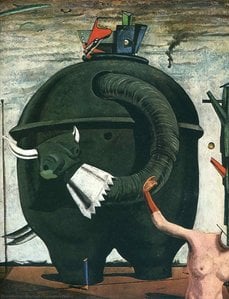
Max Ernst's "Sin título" (Untitled) isn’t merely a black and white etching; it’s an invitation to a psychological landscape, a confrontation with primal fears rendered in stark, unsettling detail. The artwork immediately commands attention through its dynamic composition – a wrestling match between a man and a colossal serpent dominates the frame, interwoven with a ghostly cameo of Mona Lisa that subtly complicates the narrative. Ernst, a pivotal figure in both Dada and Surrealism, masterfully employs a technique reminiscent of engraving or etching, creating an extraordinary contrast between light and shadow, sharp lines, and a flattened perspective that contributes to the work’s dreamlike quality. This isn't simply a depiction of physical struggle; it’s a visual representation of internal conflict, a battle waged within the depths of the human psyche.
The choice of materials – likely etched onto a metal plate and subsequently printed – speaks volumes about Ernst’s artistic process. The rigid linearity of the linework, while creating a graphic appearance, also suggests an underlying tension, mirroring the struggle depicted on the surface. The deliberate lack of shading or realistic depth further enhances this sense of unease, pushing the scene into the realm of symbolism and allegory. It's crucial to note that Ernst was deeply interested in exploring the subconscious, and “Sin título” is a prime example of his ability to translate complex psychological themes into visual form.
The serpent itself is a potent symbol throughout history – representing temptation, chaos, knowledge, and the cyclical nature of life. Here, it’s not merely a beast but an embodiment of primal urges, a force resisting control. The man wrestling with it embodies humanity's struggle against these darker aspects of its own being. Interestingly, positioned within this chaotic scene is a subtle yet significant detail: the inclusion of Mona Lisa. This iconic portrait, instantly recognizable and imbued with an aura of serene beauty, acts as a counterpoint to the turmoil unfolding before us. Some art historians interpret this juxtaposition as representing the eternal conflict between reason and emotion, or perhaps the allure of the unattainable – a reminder that even in moments of intense struggle, there exists a lingering sense of beauty and detachment.
The tower-like structure in the background adds another layer to the symbolism. Towers often represent ambition, power, and reaching for the heavens—but here, it feels somewhat ominous, perhaps suggesting an unattainable goal or a precarious position within this internal struggle. The overall composition suggests a descent into the unconscious, a confrontation with fundamental human dilemmas.
Understanding Max Ernst's artistic methods is key to appreciating “Sin título.” He was a pioneer of techniques like *frottage* – rubbing a pencil over textured surfaces to create unexpected images – and *grattage*, scraping paint across canvas to reveal hidden patterns. These processes were designed to bypass conscious control, tapping into the subconscious mind and generating surprising visual results. This approach is clearly evident in “Sin título,” where the deliberate use of line work and the seemingly random arrangement of elements contribute to a sense of controlled chaos. Ernst wasn’t simply painting what he *saw*; he was actively seeking to access and translate the hidden realities of his inner world.
The artwork's stark black and white palette further emphasizes this exploration of the subconscious. It strips away any distractions, forcing the viewer to confront the raw emotion and psychological intensity of the scene. It’s a testament to Ernst’s skill that he can create such a powerful and unsettling image using such a limited range of tones.
WahooArt offers meticulously hand-painted reproductions of Max Ernst's "Sin título," capturing the essence of this iconic work with unparalleled detail and fidelity. Our artists replicate Ernst’s distinctive linework, creating a stunning visual experience that faithfully reproduces the artwork’s unsettling atmosphere and symbolic depth. Whether you are an art collector seeking to expand your Surrealist collection or simply looking for a unique piece of art to enhance your interior design, our reproduction provides a beautiful and authentic representation of this seminal work. The high-quality materials used ensure that the reproduction will last for generations, preserving the power and mystery of Ernst’s vision. Explore our options today and bring this captivating image into your world.
Max Ernst, 1 Nisan 1891’de Brühl, Almanya'da doğan Maximilian Maria Ernst, 20. yüzyıl sanatının en etkileyici figürlerinden biri olmaya yazgılıydı. Sanat yolculuğu, geleneksel bir eğitimden ziyade, felsefi sorgulamalarla, psikolojik merakla ve toplumsal normlara karşı derin bir hoşnutsuzlukla beslenen kendi kendine yönlendirilen bir keşif olarak başladı. Babasının, duyma engelli insanlara ders veren ve amatör bir ressam olan babası, hem dünyaya karşı hassasiyetini hem de yerleşik otoriteye karşı isyankar ruhunu aşıladı. Bu erken dönemdeki ikilik, sanat vizyonunun tanımlayıcı bir özelliği haline gelecekti.
Ernst’ın Bonn Üniversitesi'ndeki akademik çalışmaları – felsefe, sanat tarihi, edebiyat, psikoloji ve psikiyatriyi kapsayan – sadece boş zaman aktiviteleri değil, daha sonraki çalışmalarını derinden etkileyen temel unsurlardı. Sadece resim yapmayı öğrenmekle kalmayıp, nedenini sorguluyordu. Bu entelektüel merak, onu 1912 yılında Köln’deki Sonderbund sergisinde Picasso, Van Gogh ve Gauguin'in çığır açan eserleriyle tanışmaya götürdü; bu an, sanatının gidişatını geri dönüşü olmayan bir şekilde değiştirdi. Modernizmin tohumları ekilmişti.
Birinci Dünya Savaşı'nın yıkıcı etkisi, Ernst için bir dönüm noktası oldu. Hem Doğu hem de Batı cephelerindeki asker olarak yaşadığı deneyimler, onu yerleşik düzene karşı derin bir şüpheciliğe ve yeni ifade biçimlerine duyulan özleme yöneltti. Bu hoşnutsuzluk, 1918'de Köln'e döndükten sonra hızla yükselen Dada hareketinde verimli bir zemin buldu. Hans Arp ile birlikte Ernst, geleneksel sanatsal normları reddederek ve anlamsızlığı, şans eseri oluşumu ve anti-rasyonelliği kucaklayarak Köln Dada grubunun merkezi figürlerinden biri haline geldi.
Ancak Dada sadece bir basamak oldu. 1920'lerin başlarında Ernst Paris'e göç etti ve André Breton liderliğindeki Gerçeküstücü akımın saflarına katıldı. Bu, rüyaların alanını, bilinçaltını ve irrasyonel olanı keşfetmeye doğru bir kaymayı işaret ediyordu. Sigmund Freud’un psikanalitik teorilerinden etkilenen Ernst, sanatıyla insan deneyiminin gizli derinliklerini açığa çıkarmayı amaçladı. Gerçeği göründüğü gibi değil, onu şekillendiren altta yatan psikolojik güçleri ortaya koymakla ilgileniyordu.
Ernst’ın sanatsal yeniliği konu başlığının ötesine geçti; o bitmek bilmeyen bir deneme ustasıydı. Mevcut yöntemleri sadece benimsemekle kalmayıp yeni olanları icat etti. Belki de en ünlü katkısı, beklenmedik ve etkileyici görüntüler yaratmak için yüzeylere kalem veya kömür sürerek oluşturulan frottage tekniğidir. Bir anlık sıkıntıdan doğan bu teknik – ahşap tahılını gözlemleyerek – bilinçaltına ulaşmasını sağladı ve bilinçli kontrolü aşan formlar üretti. Yakın ilişkili olan grattage ise, boyanın tuvalin altındaki katmanlarını ortaya çıkaran bir yüzeyi kazıma işlemidir.
Aynı zamanda kolajı ustaca kullandı; dergi görselleri, bilimsel çizimler ve fotoğraflar gibi farklı unsurları, geleneksel temsili kavramları zorlayan gerçeküstü kompozisyonlara bir araya getirdi. Bu teknikler sadece stilistik seçimler değildi; bilinçaltını keşfetme ve geleneksel sanatsal sınırları bozma arzusunun ayrılmaz bir parçasıydı. Resimleri genellikle tekrar eden sembolik imgeler içerir: kuşlar (özellikle onun alter egosu Loplop), ıssız manzaralar, rahatsız edici zıtlıklar ve yaygın bir gizem duygusu.
II. Dünya Savaşı'nın patlak vermesi Ernst’ı Avrupa’dan kaçırmaya zorladı; Amerika Birleşik Devletleri’nde sığınak buldu. Sürgünde de yeni tekniklerle denemeye devam etti, savaşın ardından Fransa’ya geri döndü ve ölümüne kadar aktif kaldı (1 Nisan 1976, Paris). Sonraki nesiller sanatçıları üzerindeki etkisi ölçülemez.
Max Ernst'ın Dada ve Gerçeküstücülüğe katkıları çığır açıcı nitelikteydi. Sanatsal normlara meydan okudu, bilinçaltının derinliklerine daldı ve günümüzde de sanatçıları ilham veren yenilikçi teknikler icat etti. O sadece bir ressam değil; aynı zamanda bir kaşif, bir kışkırtıcı ve sanatı kendisi genişleten bir vizyonerdi. Çalışmaları, hayal gücünün gücüne, irrasyonelin çekiciliğine ve insan zihliyetinin karmaşıklıklarını anlamaya yönelik bitmeyen arayışa dair bir kanıt olmaya devam ediyor.
1891 - 1976 , Almanya
Projenizden bize bahsedin; sanat uzmanlarımız size özel 3 sanat eseri önerisi sunsun.
Size Özel 3 Seçeneği Ücretsiz Olarak Hazırlayalım!