Önizleme yap AR ile önizle Baskı Moduna Geç Dijital Görsele Geç Paylaş
Detayları Gör Rehber Favorilere ekle İndir Benzerlerini gör X-Işını Slayt Gösterisi İstatistikler

Study sheet (detail)

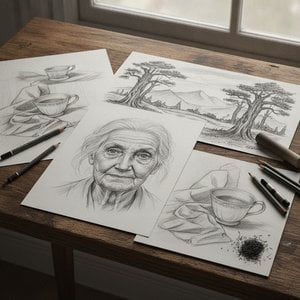
Study sheet by Leonardo da Vinci showcases detailed profiles and sketches—a glimpse into the master's meticulous process & anatomical studies. Explore this iconic work of art.

Rönesansın dâhisi Leonardo da Vinci (1452-1519)! Mona Lisa ve Son Akşam Yemeği'nin yaratıcısı, sfumato tekniği, anatomi çalışmaları ve çığır açan icatlarıyla tanışın.

El Yapımı Yağlı Boya Reproduksiyon

Sanatçılarımız tarafından sipariş üzerine hazırlanan; istediğiniz boyut ve çerçevede, tuval üzerine el boyaması yağlı boya. ( Baskı Moduna Geç Dijital Görsele Geç)

P118B $10
P118H $10
P118W $10
P438Z $10
P508JH $12
P508YH $12
P805H $10
P805Z $10
P919BZ $10
P919G $10
P919XJ $10
P959ZH $10
P968JZ $12
W106C $8
W218G $10
W218JH $8
W218Y $10
W307PJ $10
W316G $10
W316PJ $8
W316Y $10
W398PJ $8
W4111J $10
W500HY $15
W500JH $15
W692G $12
W849H $8
W940BG $15
W953PJ $8

Standart
kişiye özel
CM
INCH

Eserin orijinal oranlarıyla uyumlu, önceden belirlenmiş boyutlarımız arasından seçim yapın.

genişlik
yükseklik

Belirli bir çerçeveye veya alana uyması için kendi boyutlarınızı girebilirsiniz. Seçtiğiniz boyut orijinal görüntünün oranlarıyla eşleşmiyorsa, sanat eserini kırparak veya ek el boyaması öğelerle resmi uzatarak ayarlayacağız. Üretim başlamadan önce onayınız için dijital bir taslak gönderilecektir.
Lütfen ekrandaki önizlemenin gerçek kırpmayı veya uzatmayı yansıtmadığını unutmayın. Nihai kompozisyonu yalnızca hazırlanan taslak doğru şekilde gösterecektir.
Özel boyutlar mevcut olsa da, orijinal oranları korumak adına önceden tanımlanmış listeden bir boyut seçmenizi öneririz.

Değiştirilebilecek örneklere dair: Yüzün müşteri fotoğrafıyla değiştirilmesi; Evcil hayvan eklenmesi (örneğin kedinin köpek ile değiştirilmesi); Arka plana gizli bir mesaj dahil edilmesi; Arka plan manzarasının veya öğelerinin değiştirilmesi.
Siparişten sonra, WahooArt.com ekibi talimatlar için müşteriye e-posta gönderecek ve bir taslak önizleme sunacaktır

Dünya Çapında Teslimat (); standart 5 hafta yerine 3/4 haftada. (23 Eylül). Kaliteden ödün verilmez.

why_choose_icon
Dünya Çapında Ücretsiz Ekspres Kargo
why_choose_icon
Yüksek Kaliteli Keten Tuval
why_choose_icon
Tam Kapsamlı Nakliye Sigortası
why_choose_icon
Gümrük Vergisi İade Garantisi
why_choose_icon
Gerçek Renk Uyumu Garantisi
why_choose_icon
100 Günlük İade Politikası (Sadece Kusurlu Ürünler İçin)
why_choose_icon
%100 Para İade Garantisi
why_choose_icon
Toplu Alım İndirimi

Toplam Fiyat

$ 272

reproduction

Study sheet (detail)

Reproduksiyon Tekniği

Reproduksiyon Boyutu

-

Toplam Tutar

$ 272

Hızlı Bilgiler

  • Medium: Ink on paper
  • Title: Study sheet (detail)
  • Movement: High Renaissance
  • Notable elements or techniques: Mirror writing, anatomical study
  • Artistic style: Renaissance sketch
  • Artist: Leonardo da Vinci

Sanat Bilgisi Testi

Her soru için yalnızca bir doğru cevap bulunmaktadır.

Soru 1:
What is the primary subject depicted in Leonardo da Vinci’s ‘Study sheet (detail)’?
Soru 2:
Based on the image description, what is one notable element present within the painting’s composition?
Soru 3:
Who is the artist credited with creating ‘Study sheet (detail)’?
Soru 4:
According to the provided research, what is a characteristic of Leonardo da Vinci’s artistic practice that might explain the limited number of fully completed works attributed to him?
Soru 5:
The ‘Study sheet (detail)’ is considered part of which broader category of Leonardo da Vinci’s work?

Study Sheet (Detail) – A Window into Leonardo’s Mind

Leonardo da Vinci's "Study Sheet (Detail)," a remarkably intimate glimpse into the artist’s creative process, transcends mere preparatory sketch; it’s a vibrant tableau of observation, experimentation, and profound human understanding. Dating from around 1478-1480 in Milan, during his formative years under Andrea del Verrocchio's tutelage, this unassuming sheet offers an unparalleled opportunity to witness the genesis of some of art history’s most iconic works. The image itself presents two figures engaged in conversation – a study in gesture and expression, rendered with Leonardo’s signature meticulous detail. The men are not portraits intended for grand display; rather, they appear as subjects for anatomical studies, or perhaps even preliminary sketches for larger compositions. Their relaxed posture and the subtle nuances of their facial expressions suggest an atmosphere of intellectual exchange, hinting at a shared interest in observation and understanding.

Technically, the sheet is executed primarily with pen and ink on paper – a remarkably economical yet expressive medium favored by Leonardo during this period. The lines are not simply delineating form; they’re imbued with a dynamic energy, capturing movement and suggesting underlying musculature. Notice how Leonardo employs rapid, broken strokes to define the contours of the figures, creating an illusion of volume and depth. The shading is subtle yet effective, utilizing cross-hatching to build tone and create areas of light and shadow. This masterful control over line and value demonstrates a deep understanding of perspective and anatomy – skills honed through relentless dissection and observation.

Anatomical Explorations & The Pursuit of Truth

Leonardo’s fascination with the human form was legendary, driven by an insatiable desire to understand its mechanics and beauty. “Study Sheet (Detail)” is a testament to this pursuit, revealing his meticulous anatomical studies that underpinned his artistic achievements. The figures are not idealized representations; they possess a palpable sense of realism, reflecting Leonardo’s commitment to scientific accuracy. The careful rendering of hands, in particular, showcases his deep understanding of skeletal structure and muscle movement – a subject he explored extensively through dissections. This dedication to anatomical truth wasn't merely academic; it was integral to his artistic vision, allowing him to capture the essence of human emotion and experience with unparalleled fidelity.

Interestingly, alongside these studies of the figures themselves, we find evidence of Leonardo’s broader intellectual interests. A clock is depicted in the background, a symbol of time and measurement – reflecting his fascination with engineering and mechanics. A book suggests an engagement with philosophical or literary ideas. These seemingly incidental details enrich the composition, revealing Leonardo as a true Renaissance man—a polymath driven by curiosity and a relentless desire to integrate art, science, and philosophy into a cohesive worldview.

Symbolism & The Human Condition

While ostensibly a preparatory study, “Study Sheet (Detail)” is rich in symbolic potential. The conversation between the two men could represent a dialogue about knowledge, perception, or perhaps even the nature of reality itself. The relaxed setting and informal gestures suggest a sense of camaraderie and intellectual openness – values highly prized during the Renaissance. Leonardo’s ability to capture such subtle nuances of human interaction speaks volumes about his profound understanding of psychology and social dynamics.

Furthermore, the sheet's composition—the figures positioned within a confined space—can be interpreted as a metaphor for the limitations of human perception. Leonardo was acutely aware that our senses can deceive us, and that true knowledge requires careful observation and critical analysis. “Study Sheet (Detail)” invites us to contemplate these themes alongside the artist’s masterful rendering of form and gesture, offering a poignant reflection on the complexities of the human condition.

A Reproduction for the Collector

Reproductions of Leonardo da Vinci's works are prized by collectors worldwide, not merely for their aesthetic beauty but also for their historical significance. A high-quality reproduction of “Study Sheet (Detail)” offers a unique opportunity to bring this intimate glimpse into Leonardo’s mind into your home or office. The meticulous detail and vibrant colors faithfully capture the essence of the original, allowing you to appreciate the artist's genius in exquisite clarity. Consider framing it within an antique wooden frame to further enhance its historical charm – a testament to both the enduring legacy of Leonardo da Vinci and the timeless appeal of his art.


Sanatçı Özgeçmişi

Rönesans’ın Gizemli Dehası: Leonardo da Vinci

Leonardo di ser Piero da Vinci, 1452 yılında Toskana bölgesindeki Vinci köyünün yakınlarında doğmuş bir İtalyan sanatçısı, bilim insanı, mucit ve düşünürüdür. Rönesans döneminin en çok tanınan figürlerinden biri olarak kabul edilir; sanatı, bilimi ve mühendisliği bir araya getiren eşsiz yeteneğiyle insanlık tarihine damgasını vurmuştur. Evlilik dışı doğması nedeniyle o dönemin toplumsal normlarına göre alışılmadık bir hayat sürmüş olsa da, hem pratik dünyanın bilgeliğini hem de doğa sevgisini besleyen bir ortamda büyümüştür. Floransa’daki Andrea del Verrocchio atölyesinde aldığı eğitim, onun yaratıcı kıvılcımını ateşlemiş ve onu sanatın derinliklerine çekmiştir. Atölyede sadece resim veya heykel öğrenmekle kalmamış, aynı zamanda metal işçiliği, marangozluk, çizim gibi çeşitli teknik beceriler edinerek çok yönlü bir yeteneğe sahip olmuştur. Hatta bazı rivayetlere göre Verrocchio, Leonardo’nun üstün yeteneğini gördükten sonra resme ara vermiştir.

Milan’da Yükseliş ve Sanatsal Dönüm Noktaları

1482 yılında Leonardo, Milano Dükü Ludovico Sforza'nın hizmetine girerek yeni bir dönem başlatmıştır. Bu sadece bir sanatçı görevi değildi; Leonardo aynı zamanda askeri mühendis, mimar, heykeltıraş ve tasarımcı olarak da görev yapmıştır. İnovatif kaleler tasarlamış, karmaşık sahne dekorları hazırlamış ve hatta fantastik makinelerin planlarını çizmiştir. Ancak bu dönemde, sanatının zirvesine ulaşacağı Son Akşam Yemeği’ni de yaratmaya başlamıştır. Santa Maria delle Grazie manastırının yemekhanesine fresk olarak resmedilen bu eser, sadece bir dini sahneyi değil, aynı zamanda insan duygularının ve psikolojik derinliğin etkileyici bir keşfini sunar. Kompozisyonu ve perspektifin ustaca kullanımı, Batı sanatını yüzyıllarca etkilemiştir. Milan döneminde birçok heykel projesi tamamlanmamış olsa da, Leonardo’nun yaratıcı ruhu bilimsel araştırmalar için de zemin hazırlamıştır.

Floransa'ya Dönüş ve Mükemmelliğin Peşinde

Milan’ın Fransızlar tarafından işgaliyle birlikte Leonardo Floransa’ya geri dönmüş ve sanat dünyasının zirvesine ulaştığı bir dönem yaşamıştır. Bu dönemde tamamladığı eserler daha az sayılsalar da, etkileri derin olmuştur. İşte bu dönemde dünyanın en ünlü tablosu olarak kabul edilen Mona Lisa (La Gioconda) üzerinde çalışmaya başlamıştır. Tablodaki gizemli gülümseme ve büyüleyici bakışlar nesilden nesile sanatseverleri cezbetmeye devam ederken, Leonardo’nun *sfumato* tekniği – ışık ve gölgeyi yumuşak geçişlerle birleştirerek bulanık hatlar ve atmosferik perspektif yaratan teknik – tablonun eterik kalitesine önemli katkı sağlamıştır. Bu dönemde aynı zamanda insan anatomisini anlamaya yönelik çalışmalarını sürdürmüş, cesetleri inceleyerek kasları, kemikleri ve organları detaylı çizimlerle belgelemiştir; bu çalışmaları o zamana kadar olan anlayışın çok ötesindeydi.

Sanatın Ötesinde Bir Miras: Bilim, İcat ve Kalıcı Etki

Leonardo’nun son yılları Floransa, Milano ve Roma arasında seyahat ederek geçti. Her yerde uzmanlığıyla aranmış olsa da, projelerini tamamlamakta zorlanmıştır; bu durum belki de onun durmak bilmeyen zekisinin ve ilgi alanlarının genişliğinin bir yansımasıdır. 1516 yılında Fransa Kralı I. Francis’in daveti üzerine Amboise yakınlarındaki Château du Clos Lucé'de yaşamaya başlamış ve hayatının son yıllarını burada geçirmiştir. 1519 yılında hayata veda etmiş, ardında sanat dünyasının ötesine uzanan geniş bir miras bırakmıştır. Not defterleri, anatomi, optik, hidrolik, jeoloji ve kartografya alanlarındaki öncü çalışmalarını ve o zamana kadar hayal bile edilemeyen icatlarını ortaya koymaktadır; uçan makineler, tanklar ve gelişmiş silah sistemleri tasarlamıştır. Leonardo da Vinci’nin sanat tarihi üzerindeki etkisi ölçülemez. Sanatçıların sadece yetenekli zanaatkarlar değil, aynı zamanda bilimsel araştırmalarla şekillenen derin bir anlayışa sahip entelektüel figürler olarak konumlanmasına öncülük etmiştir. Resimleri gerçekçiliği, psikolojik derinliği ve yenilikçi teknikleriyle kutlanmaktadır. İnsan merakının, yaratıcılığın ve bilginin amansız peşinden koşulmasının sembolü olmaya devam etmektedir; yüzyıllar sonra bile hayranlık uyandıran ve ilham veren bir Rönesans ruhunun gerçek bir örneğidir.

Başlıca Başarılar & Kalıcı Etki

  • Resim: Mona Lisa, Son Akşam Yemeği, Kayaların Bakiresi, Meryem’in Haberi
  • Çizim & Eskiz: Kapsamlı anatomi çalışmaları, Mühendislik tasarımları (uçan makineler, silahlar), Botanik çizimleri
  • Bilim & Mühendislik: Anatomi, optik, hidrolik, jeoloji ve kartografya alanlarında öncü çalışmalar. O zamana kadar hayal bile edilemeyen icatların konseptlerini tasarlamıştır.
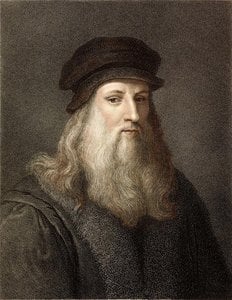
Leonardo Da Vinci

Leonardo Da Vinci

1452 - 1519 , İtalya

Kısa Bilgiler

  • Artistic Movement Or Style: Yüksek Rönesans
  • Artists Or Movements Influenced By This Artist: ['Rönesans sanatı']
  • Artists Who Influenced This Artist: ['Andrea del Verrocchio']
  • Date Of Birth: 15 Nisan 1452
  • Date Of Death: 2 Mayıs 1519
  • Full Name: Leonardo da Vinci
  • Nationality: İtalyan
  • Notable Artworks:
    • Mona Lisa
    • Son Akşam Yemeği
    • Vitruvius Adamı
  • Place Of Birth: Vinci, İtalya
Temalara, stillere ve özelliklere göre düzenlenmiş sanat eserlerini keşfedin.