

Web önizlemesinin çok ötesinde, baskıya hazır bir dosya edinin. Sattığımız her dijital görüntü, stok veri tabanımızdaki yüksek çözünürlüklü bir ana dosyadan —genellikle 5.000 ila 15.000 piksel genişliğinde— gelir; böylece büyük boyutlarda baskı alabilir, dar kırpmalar yapabilir veya ince detayları güvenle yeniden üretebilirsiniz.
Stüdyomuzdan çıkan hiçbir dosya işlenmeden çıkmaz. Bir dijital uzman, renkleri orijinal tabloyla karşılaştırarak kontrol eder ve gerekirse düzeltir; ardından profesyonel rötuş araçlarıyla netliği ve detayları artırır — bunu yaparken her zaman sanatçının fırça darbelerine ve üslubuna sadık kalır. Sonuç, filtrelenmiş bir tarama gibi değil, bizzat tablonun kendisi gibi görünen bir görüntüdür.
İşlem tamamlanmadan önce onayınız alınır: Uzmanımız, incelemeniz için görseli 72 saat içinde e-posta ile gönderir. Memnun kalmadınız mı? İyileştirme veya düzeltme talep edebilir ya da kalite beklentinizin altında kalırsa iade isteyebilirsiniz.
Yayıncıların, tasarım stüdyolarının, galerilerin ve matbaaların güvendiği kalite budur.
Kişisel kullanım, baskı ve yaratıcı projeleriniz için yüksek çözünürlüklü bir dosya indirin. ( Baskı Satışına Geç El Yapımı Tablo Satın Al)
WahooArt.com seçtiğinizde, sadece bir görsel edinmekle kalmaz; titizlikle hazırlanmış, profesyonelce iyileştirilmiş dijital bir sanat eserine sahip olur ve memnuniyet garantisiyle güvence altına alınırsınız. Siparişinizle birlikte otomatik olarak sunulan her şey şunlardır:
Yüksek çözünürlüklü dijital görüntü dosyanız, siparişinizin ardından en geç 72 saat içinde e-posta ile size gönderilecek ve hemen kullanıma hazır olacaktır.
Sanat eseriniz; maksimum detay, netlik ve renk doğruluğu sağlamak amacıyla gelişmiş yapay zeka araçları ve manuel düzenleme kullanılarak profesyonelce optimize edilmektedir.
Dosyanızı yanlışlıkla mı sildiniz yoksa kayıp mı oldu? Endişelenmeyin; dosyanızı dilediğiniz zaman size ücretsiz olarak tekrar göndereceğiz.
Sanat eserinizin tadını gümrük vergisi, harç veya teslimat ücreti ödemeden anında çıkarın; dijital indirmeler her zaman vergiden muaftır.
Profesyonel araçlar ve renk yönetimi kullanarak dijital görselinizin orijinal renklere mümkün olduğunca yakın yansıtılmasını sağlıyoruz.
If you're not satisfied with your digital image, we'll revise it or refund 100% within 100 days - no questions asked.
Memnun kalmadınız mı? Dijital dosyanızı teslim aldıktan sonraki 100 gün içinde, hiçbir soru sorulmaksızın tam para iadesi alabilirsiniz.
Buy 3 images, save 10% - Buy 5, save 15% - Buy 10+, save 20%. Great for creative projects, galleries, and agencies.
Leonardo da Vinci's "Neptun," often referred to simply as "Neptune," is not merely a painting; it’s a dramatic embodiment of Roman mythology, rendered with an arresting intensity that speaks volumes about the artist’s mastery of composition, light, and psychological depth. Completed around 1482, this charcoal drawing on black chalk offers a glimpse into da Vinci's early explorations of figure work and his fascination with classical themes – specifically, the turbulent power of the sea god Poseidon. Unlike many of his later, more polished works, “Neptun” retains a raw energy, a sense of immediacy that reflects its status as a preliminary study rather than a finished masterpiece.
The scene depicts Neptune, king of the gods and ruler of the oceans, seated upon a shell-shaped rock. He’s not presented in the idealized form often found in Renaissance sculpture; instead, da Vinci captures him with a palpable sense of authority and even a hint of brooding intensity. His posture is deliberately forceful, his gaze fixed ahead as if commanding the waves themselves. The figure is rendered with rapid, confident strokes – a characteristic of Leonardo’s working method – revealing the underlying structure beneath the surface. Notice how he uses hatching to create texture and volume, particularly in the folds of his drapery and the swirling patterns of the sea.
Da Vinci's technique is immediately striking. The charcoal is applied with a remarkable degree of spontaneity, creating a dynamic sense of movement that contrasts sharply with the static quality often associated with Renaissance art. He masterfully employs hatching – closely spaced parallel lines – to build up tones and create an illusion of depth and texture. The use of light and shadow is particularly effective in conveying the drama of the scene; the dark background emphasizes Neptune’s form, while strategically placed highlights draw attention to his face and hands.
Compositionally, “Neptun” is a tour de force. The figure dominates the frame, yet he's not isolated. The swirling waves, depicted with loose, expressive strokes, create a sense of chaos and power that mirrors Neptune’s dominion over the sea. The inclusion of Amphitrite, Neptune’s consort, riding on his back, adds another layer of visual interest and reinforces the theme of royal authority. The placement of the birds – one soaring above, another diving below – subtly connects the earthly realm with the divine, suggesting a broader cosmic order.
“Neptun” is deeply rooted in Roman mythology, drawing upon centuries of tradition surrounding Poseidon. The shell-shaped rock serves as Neptune’s throne, symbolizing his connection to the sea – the very essence of his power. The turbulent waves are not merely decorative; they represent the unpredictable and potentially destructive forces that lie beneath the surface. The presence of birds, often associated with divine messengers or omens, adds a layer of symbolic complexity.
Interestingly, da Vinci’s depiction deviates slightly from traditional portrayals of Neptune. He doesn't present him as a benevolent protector; instead, he captures a more formidable and even somewhat menacing figure – a god who commands respect through sheer force of will. This nuanced portrayal reflects da Vinci’s broader interest in exploring the complexities of human nature and the darker aspects of the divine.
Despite its status as an early study, “Neptun” reveals da Vinci's burgeoning genius and his willingness to experiment with new techniques. It demonstrates his ability to capture not just the physical appearance of a subject but also their psychological state – a skill that would become increasingly central to his later work. Reproductions of this captivating drawing offer a unique opportunity to appreciate da Vinci’s artistic process and to witness firsthand the genesis of one of the most iconic images in Western art history. Its raw energy and dramatic composition continue to resonate with viewers today, reminding us of the enduring power of classical mythology and the boundless creativity of Leonardo da Vinci.
Algılanan parlaklık açısından Leonardo Da Vinci imzalı "Neptun", brilliant düzeyindedir.
"Neptun", doğrudan Yüksek Çözünürlüklü Dijital Görsel sayfası üzerinden satın alınabilecek şekilde yüksek çözünürlüklü dijital görsel indirme olarak sunulmaktadır.
"Neptun" için bir İstatistikler sayfası mevcuttur. Bu sayfa; eserin ve sanatçının diğer çalışmalarının aylık ziyaret sayılarını, ülke ve dil kırılımlarıyla birlikte grafiklerle sunar.

Leonardo Da Vinci, 15 Nisan 1452 tarihinde, Toskana'nın tepelik kasabası Vinci yakınlarında dünyaya gözlerini açtı. Kökenleri, dönemin belirgin bir sosyal gerçekliğiyle şekillenmişti: Başarılı bir noter olan Piero Fruosino di Antonio da Vinci ile alt sınıftan bir kadın olan Caterina Cambi'nin evlilik dışı oğlu olarak hayata atıldı. Bu geçmiş, onu daha en başından Toskana kırsalının sosyal dokusunun içine yerleştirdi. Zamanla eğitimini almak üzere Floransa'ya taşındı. Şehir, hayatının geri kalanında teknik yaklaşımını belirleyecek olan, çizimin hassasiyetine ve disiplinine odaklanan disegno kavramının merkezde olduğu bir atmosfer sunuyordu.
On dört yaşına geldiğinde, Leonardo Da Vinci, Andrea del Verrocchio'nun atölyesine adım attı. Bu çıraklık dönemi, onun teknik yetkinliğinin temel taşı oldu. Verrocchio'nun stüdyosunda farklı zanaatlar arasındaki sınırlar oldukça belirsizdi; o, hem bir ressamın hem de bir heykeltıraşın araçlarını kullanmayı öğrendi. Bu eğitim sadece fırça darbelerinden ibaret değildi; heykel sanatının mekaniğini ve çeşitli malzemelerin fiziksel özelliklerini kavramayı da içeriyordu. Erken yıllarının disipliniyle kök salan bu süreç, bir kasın hareketini ışığın bir yüzey üzerindeki düşüşüyle ilişkilendiren eşsiz bir görme biçimi geliştirmesini sağladı.
Leonardo Da Vinci'nin kariyeri, Yüksek Rönesans'ın en büyük merkezleri arasında süregelen kesintisiz bir devinimle şekillendi. 1472'den yaklaşık 1482'ye kadar ve ardından 1500 ile 1508 yılları arasındaki dönemde ağırlıklı olarak Floransa'da faaliyet gösterdi. Bu Floransa yılları, onun sanatsal gelişimi için temel bir zemin hazırlasa da, asıl uzun vadeli rotası Milano'daki yıllarıyla belirlendi. Hayatının büyük bir kısmını, yaklaşık 1482 ile 1499 yılları arasında Milano'da Ludovico Sforza'ya hizmet ederek geçirdi; ancak bu hizmet süreci, 1508 ile 1513 yılları arasında Milano'ya geri dönmesiyle tek bir kesintisiz dönemden ibaret kalmadı.
Floransa ve Milano onun ana çalışma merkezleri olsa da, sanatsal nüfuzu bu iki şehrin çok ötesine uzandı. Profesyonel yaşamı, Roma'daki önemli çalışmalarını ve nihayetinde Fransa'daki dönemini de kapsıyordu. Bu coğrafi hareketlilik, üslubunun durağanlaşmasını engelleyerek ona taze bir soluk kazandırdı. Tek bir saraya bağlı kalmak yerine, İtalyan yarımadasının değişken siyasi manzaralarında ustalıkla yol aldı. Milano'daki varlığı, sarayla kurduğu sürekli bir diyalogla damgalandı; burada mühendislik ve bilim alanındaki derin merakı, sanatsal siparişleriyle sık sık kesişti. Disiplinlerin bu büyüleyici kesişimi, onun üretimlerinin asla sadece dekoratif bir amaçla sınırlı kalmamasını sağladı.
Leonardo Da Vinci'nin Milano'daki varlığı, Ludovico Sforza'ya sunduğu uzun süreli hizmetle şekillendi. Bu ilişki, sanatçının üretimlerinin ölçeğini ve niteliğini belirlerken, dönemin dini gereklilikleri ile Sforza sarayının özel siyasi ihtiyaçları arasında sürekli bir denge kurulmasını zorunlu kılıyordu. Bu dönemdeki çalışmaları, birbirinden kopuk görevler dizisi değil, aksine hamilerinin hırslarına verilmiş kesintisiz bir yanıttı. Leonardo, bir hanedanın talepleri ile kendi teknik deneyleri arasında bir denge kurarak, çok çeşitli konular arasında ustalıkla geçiş yaptı.
Bu himayeciliğin en önemli sonucu, Santa Maria delle Grazie Manastırı'nın yemekhanesindeki mozole duvarının süslenmesi oldu. Bu sipariş, efsanevi Son Akşam Yemeği eserini doğurdu. Proje, geleneksel fresk yöntemlerinden bir kopuşu beraberinde getirdi; zira Leonardo, kendi çalışma sürecinin gerektirdiği yavaş katmanlama ve sık revizyonlara olanak tanımak amacıyla, reçine ile karıştırılmış yağ bazlı bir boya kullandı. Bu seçim, daha fazla ayrıntıya imkan tanısa da, eserin yüzyıllar süren restorasyonlara ihtiyaç duyan fiziksel bir kırılganlığa sahip olmasına yol açtı. Bu devasa duvar resmi, perspektifin titiz bir uygulamasıyla insanlık dramının en gerilimli anlarından birini yakalayarak, Milano manzarasının vazgeçilmez bir parçası olmaya devam ediyor.
Dünyanın en ünlü tablosu olma unvanını koruyan Mona Lisa, Paris'teki Louvre Müzesi'nde sergilenirken, çok az eserin sahip olabileceği büyüleyici bir küresel ilgi odağı olmayı sürdürüyor. Benzer şekilde, insan formunun kusursuz oranlarını haritalandıran Vitruvius Adamı çizimi, bir kültürel ikon haline gelmiş durumda. Bu eserler, karmaşık gözlemlerin modern bilincin derinliklerinde yaşamaya devam eden görsel bir dile nasıl dönüştürülebileceğinin en somut kanıtlarıdır.
Dini sanatın zirve noktalarından biri olan Son Akşam Yemeği, Milano'daki Santa Maria delle Grazie Manastırı'nın yemekhanesinde yer alan devasa bir şaheserdir. İsa'nın ihaneti ilan ettiği o sarsıcı anı betimleyen bu duvar resmi, perspektifi kullanarak izleyiciyi doğrudan sahnenin içine çekme gücüyle psikolojik dramanın altın standardı kabul edilir. Leonardo Da Vinci'nin günümüze ulaşan tuvalleri üzerindeki talep ise her zaman büyüleyici bir yoğunluktadır. Öyle ki, 2017 yılında Salvator Mundi adlı eserin 450,3 milyon dolara açık artırmada alıcı bulması, onun dehasına biçilen paha biçilemez değeri bir kez daha tüm dünyaya ilan etmiştir.
Leonardo Da Vinci'nin tuvale yaklaşımı, bilimsel gözlem ile görsel temsil arasında uzlaşma sağlama yönündeki amansız bir ihtiyaçtan besleniyordu. O, figürleri sadece boyamakla yetinmez; onları insan anatomisi üzerine yaptığı titiz araştırmalarla yeniden inşa ederdi. Kadavralar üzerinde yaptığı çalışmalar sayesinde kas ve kemik yapısının nasıl işlediğine dair kesin bir anlayış kazandı; bu da insan formunu, anatomik illüstrasyon standartlarını kökten değiştiren bir doğruluk seviyesinde betimlemesine olanak sağladı. Bu, yalnızca bir benzerlik meselesi değil, her bir fırça darbesine yön veren yapısal bir gereklilikti.
Teknik yenilikleri, ışığın ve atmosferin manipülasyonu üzerinde yoğunlaşıyordu. Konularının kenarlarını bulanıklaştırmak için tonların ince geçişlerini kullanan sfumato tekniğini geliştirdi. Bu teknik, dış hatların sertliğini ortadan kaldırarak formların dumanlı bir pusun içinden doğmasına imkan tanıyordu. Işık ve gölge arasındaki etkileşimi kontrol etmek ve üç boyutlu bir hacim hissi yaratmak için bu yöntemi chiaroscuro ile birleştirdi. Bu etkileri elde etmek amacıyla, yavaş kurumaya ve sürekli katmanlamaya olanak tanıyan bir reçine olan mastik ile karıştırılmış yağ bazlı boyalar dahil olmak üzere alışılmadık malzemeler üzerinde deneyler yaptı.
Leonardo Da Vinci’nin yaşamının son yılları, onun o bitmek bilmeyen entelektüel arayışlarını yansıtan coğrafi bir değişimle şekillendi. 1513 ile 1516 yılları arasında Roma'da çalışmalarına devam ettikten sonra, hayatının son dönemine doğru I. François'nın davetiyle yeni bir yolculuğa çıktı. Bu geçiş onu Fransa'ya taşıdı ve son üç yılını burada yaşayıp çalışarak geçirdi. Fransız sarayındaki varlığı, çoktan Yüksek Rönesans'ın en büyük merkezlerini aşmış olan muazzam bir kariyerin görkemli bir finali niteliğindeydi.
Hayatının son demleri Fransa'da, 2 Mayıs 1519'daki vefatına kadar süren derin araştırmalarıyla geçti. Onun son yılları, sessiz bir emeklilik döneminden ziyade, tüm varlığını tanımlayan o yoğun gözlem tutkusunun bir devamıydı. Fransa'da hayata gözlerini yumarken, geride bilimsel sorgulama ile görsel temsilin kesiştiği noktada hala temel bir referans kaynağı olan devasa bir eser külliyatı bıraktı.
Leonardo Da Vinci, Avrupa sanatının gelişimini yalnızca Michelangelo ile kıyaslanabilecek bir düzeyde şekillendiren eser külliyatıyla, Batı sanat tarihinin en merkezi figürlerinden biri olmaya devam ediyor. Onun etkisi, resim yapma eylemini bir inceleme ve araştırma sürecinden ayırmayı reddetmesinden kaynaklanır. O; aynı anda bir ressam, taslak sanatçısı, mühendis, bilim insanı, teorisyen, heykeltıraş ve mimar olarak varlık göstermiştir. İlgi alanlarının bu muazzam genişliği, katkılarının asla tek bir ortamla veya disiplinle sınırlı kalmamasını sağlamıştır.
Onun defterleri, bu huzursuz zihnin en doğrudan kanıtlarını sunar. Bu notlar; suyun akışından insan kemiğinin yapısal karmaşıklığına kadar her şeyi belgeleyen, dünyanın işleyiş mekanizmalarını gözlemlemeyi asla bırakmayan bir zihni ortaya koyar. Bu ampirik yaklaşım, çizimlerinin yalnızca hazırlık taslakları değil, doğanın sürekli bir incelemesini kaydetmeye yönelik araçlar olduğu anlamına geliyordu. O, fiziksel dünyayı, titiz gözlemler yoluyla çözülmesi gereken bir konu olarak ele aldı.
Etkisinin büyüklüğü, farklı ilgi alanlarının kesişme biçiminde açıkça görülmektedir. Anatomi ve ışık üzerine yaptığı bilimsel araştırmalar, görsel üretimini besleyerek teori ile pratik arasında bir geri besleme döngüsü oluşturmuştur. Disiplinlerin bu bütünleşmesi, onun basit bir temsiliyetin ötesine geçerek dünyanın nasıl işlediğine dair derin bir kavrayışa ulaşmasını sağlamıştır. Leonardo Da Vinci'nin mirası, uzmanlaşmayı reddedip bunun yerine geniş bir teknik ve bilimsel uğraş yelpazesi aracılığıyla varoluşun mekaniklerine hakim olmayı seçmesiyle tanımlanır.
Leonardo Da Vinci'nin sanatsal mirasının fiziksel gerçekliğine tanıklık etmek için belirli kurumsal koleksiyonlara doğru bir yolculuğa çıkmak gerekir. Dünyanın en ikonik figürlerinden biri olan Mona Lisa, Paris'teki Louvre Müzesi'nde sergilenmeye devam etmektedir ve bu müzenin koleksiyonunun kalbinde yer alan vazgeçilmez bir parçadır. Krakow'da ise Czartoryski Müzesi, zarafetiyle büyüleyen Lady with an Ermine eserine ev sahipliği yapmaktadır. Bu mekanlar, sanatçının günümüze ulaşan en önemli tuvallerini görebileceğiniz temel durakları temsil eder.
Floransa, sanatçının erken dönem gelişimini ve teknik dönüşümlerini izlemek isteyenler için kritik bir merkez olma özelliğini korumaktadır. Galleria degli Uffizi, hem Annunciation hem de Baptism of Christ eserlerini bünyesinde barındırır. Bu eserler, ışık ve manzara üzerindeki hakimiyetinin nasıl evrildiğini doğrudan karşılaştırmalı olarak incelemeye olanak tanır. Onları orijinal ortamlarında görmek, eserlerin ölçekleri ve tasarlandıkları özel atmosferler hakkında derin bir algı sunar.
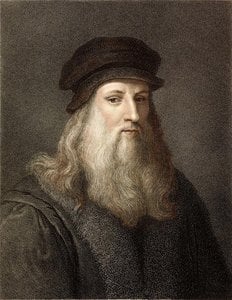
1452 - 1519 , İtalya
 Gerçek Boyutta Önizle
 Paylaş
 Paylaş
 Detayları Gör
 Rehber

 İndir
İndir
 Benzer ürünler
 X-Işını
 Slayt Gösterisi
 Soru & Cevap
 İstatistikler
 Tümünü Gör


