
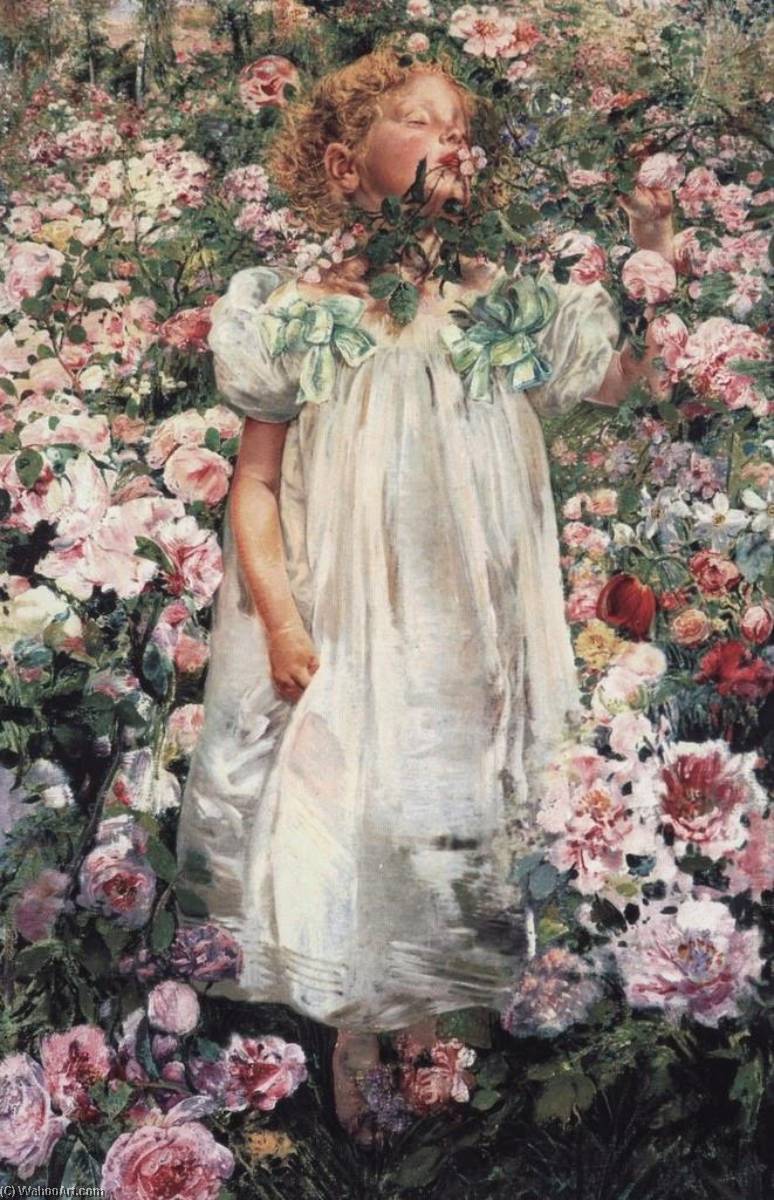
Hızlı üretim ve esnek bitiş seçenekleriyle müze kalitesinde giclée veya kanvas baskı. ( El Yapımı Tablo Satın Al Dijital Görsele Geç)
Eserin orijinal oranlarıyla uyumlu, önceden belirlenmiş boyutlarımız arasından seçim yapın.

Çerçevenize veya duvarınıza uygun olması için ihtiyacınız olan genişlik ve yüksekliği yazın. Bir baskı yalnızca kesilebilir, görselden daha büyük hale getirilemez; bu nedenle farklı bir formdaki boyut seçimi, görselin bir kısmının kaybına neden olur. Herhangi bir baskı yapmadan önce onaylamanız için size bir dijital taslak gönderiyoruz. Bu sayfada gösterilen resim gerçek kesimi göstermez — bunu yalnızca taslak gösterir.
Dünya Çapında Teslimat (); standart 4/5 hafta yerine 2 haftada. (8 Kasım)
Fragrance
Reproduksiyon Boyutu

Léon-Henri-Marie Frédéric (August 26, 1856 – January 27, 1940) was a Belgian Symbolist painter born in Brussels. His father was a prosperous jeweler, providing the means for a solid education. In 1871, he began an apprenticeship with architect and decorative painter Charle-Albert while simultaneously attending night courses at the Académie Royale des Beaux-Arts in Brussels. He formally joined Jean-François Portaels’ workshop in 1874, further honing his skills.
From 1876 to 1878, Frédéric undertook extensive travels in Italy – Venice, Florence, Naples, and Rome – studying with Belgian sculptor Julien Dillens. This period proved pivotal, exposing him to the works of Renaissance masters like Sandro Botticelli and Domenico Ghirlandaio. These artists profoundly influenced his developing linear technique and aesthetic sensibilities. Upon returning to Brussels in 1879, he debuted at the Brussels Salon and joined the artist group L'Essor.
Frédéric’s work is characterized by a unique blend of styles and themes. His early paintings seamlessly integrated Christian mysticism with pantheistic elements, often depicting scenes imbued with spiritual symbolism. Later in his career, he increasingly addressed social concerns within his art, reflecting a growing awareness of societal issues. He was deeply influenced by 15th and 16th-century Flemish painting as well as Renaissance styles.
Frédéric received a gold medal at the Exposition Universelle (1889) and continued to exhibit internationally, winning further accolades in Germany and the United States. He was appointed a member of the Académie Royale in 1904 and created a Baron by King Albert I in 1929.
While achieving international recognition during his lifetime, Frédéric’s work wasn't fully appreciated in Belgium until later in his life. He represents a significant figure within the Symbolist movement, bridging the gap between religious and social themes. His paintings offer a compelling glimpse into the artistic and intellectual climate of late 19th and early 20th-century Europe. Today, his works are held in prominent museums like the Royal Museums of Fine Arts of Belgium, the Musée d'Orsay, and the Philadelphia Museum of Art, ensuring his lasting legacy.

1856 - 1940 , Belgium
 Gerçek Boyutta Önizle
 Paylaş
 Paylaş
 Detayları Gör
 Rehber

 İndir
İndir
 Benzer ürünler
 X-Işını
 Slayt Gösterisi
 Soru & Cevap
 İstatistikler
 Tümünü Gör






































 Cam seçeneği yalnızca 110 cm altındaki boyutlar için mevcuttur.


