Önizle AR ile önizle El Yapımı Tablo Satın Al Dijital Görsel Satışına Geç Gönder
Detaylar Rehber Favorilere ekle Dosyayı İndir Benzerleri X-Işını Slayt Gösterisi İstatistikler

Actresses

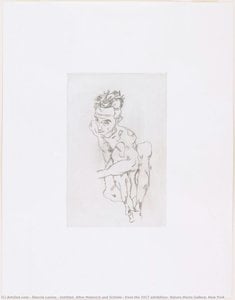
Explore Joseph Beuys' 'Actresses,' a poignant graphite drawing capturing two figures in movement. This preparatory sketch reveals his expressive style and explores themes of performance & humanity.

Joseph Beuys (1921-1986): Sanat, siyaset ve hümanizmi harmanlayan Alman Fluxus öncüsü. Keçe, yağ ve devrimci kavramlardan oluşan 'Sosyal Heykel'ini keşfedin.

Bu sayfada sergilenen eser telif hakkı yasasıyla korunmaktadır; bu da yasal olarak eserin birebir kopyasını oluşturamayacağımız veya satamayacağımız anlamına gelir. Bu koruma, aşağıdakiler gibi uluslararası anlaşmalar kapsamında uygulanmaktadır: Bern Sözleşmesi ve aşağıdakiler de dahil olmak üzere ulusal yasalarca belirlenen ABD Telif Hakkı Kanunu - 17. Başlık.

Bu yöntem, koruma altındaki sanat eserinin kopyalanmasını veya çoğaltılmasını içermediği için telif hakkı düzenlemelerine tam uyum sağlar. Bunun yerine, yaratıcı bir yeniden yorumlamadır; orijinalinden etkilenen ancak onunla aynı olmayan yeni bir tablodur.

Giclée / Sanat Baskısı

Hızlı üretim ve esnek bitiş seçenekleriyle müze kalitesinde giclée veya kanvas baskı. ( El Yapımı Tablo Satın Al Dijital Görsel Satışına Geç)

Corner sample of the P118B picture frame: moulded polystyrene, 5 cm wide and 3 cm thick
P118B ₺10
Corner sample of the P118H picture frame: moulded polystyrene, 5 cm wide and 3 cm thick
P118H ₺10
Corner sample of the P118W picture frame: moulded polystyrene, 5 cm wide and 3 cm thick
P118W ₺10
Corner sample of the P438Z picture frame: moulded polystyrene, 5.5 cm wide and 3.5 cm thick
P438Z ₺10
Corner sample of the P508JH picture frame: moulded polystyrene, 7 cm wide and 3.5 cm thick
P508JH ₺12
Corner sample of the P508YH picture frame: moulded polystyrene, 7 cm wide and 3.5 cm thick
P508YH ₺12
Corner sample of the P805H picture frame: moulded polystyrene, 5 cm wide and 3.5 cm thick
P805H ₺10
Corner sample of the P805Z picture frame: moulded polystyrene, 5 cm wide and 3.5 cm thick
P805Z ₺10
Corner sample of the P919BZ picture frame: moulded polystyrene, 7 cm wide and 3.5 cm thick
P919BZ ₺10
Corner sample of the P919G picture frame: moulded polystyrene, 7 cm wide and 3.5 cm thick
P919G ₺10
Corner sample of the P919XJ picture frame: moulded polystyrene, 7 cm wide and 3.5 cm thick
P919XJ ₺10
Corner sample of the P959ZH picture frame: moulded polystyrene, 5 cm wide and 3 cm thick
P959ZH ₺10
Corner sample of the P968JZ picture frame: moulded polystyrene, 6 cm wide and 4 cm thick
P968JZ ₺12
Corner sample of the W106C picture frame: solid wood, 5 cm wide and 3 cm thick
W106C ₺8
Corner sample of the W218G picture frame: solid wood, 5 cm wide and 3 cm thick
W218G ₺10
Corner sample of the W218JH picture frame: solid wood, 5 cm wide and 3 cm thick
W218JH ₺8
Corner sample of the W218Y picture frame: solid wood, 5 cm wide and 3 cm thick
W218Y ₺10
Corner sample of the W307PJ picture frame: solid wood, 6 cm wide and 3 cm thick
W307PJ ₺10
Corner sample of the W316G picture frame: solid wood, 6 cm wide and 3 cm thick
W316G ₺10
Corner sample of the W316PJ picture frame: solid wood, 6 cm wide and 3 cm thick
W316PJ ₺8
Corner sample of the W316Y picture frame: solid wood, 6 cm wide and 3 cm thick
W316Y ₺10
Corner sample of the W398PJ picture frame: solid wood, 5 cm wide and 3 cm thick
W398PJ ₺8
Corner sample of the W4111J picture frame: solid wood, 6.5 cm wide and 3.5 cm thick
W4111J ₺10
Corner sample of the W500HY picture frame: solid wood, 7 cm wide and 5 cm thick
W500HY ₺15
Corner sample of the W500JH picture frame: solid wood, 7 cm wide and 5 cm thick
W500JH ₺15
Corner sample of the W692G picture frame: solid wood, 8 cm wide and 4 cm thick
W692G ₺12
Corner sample of the W849H picture frame: solid wood, 5 cm wide and 3 cm thick
W849H ₺8
Corner sample of the W940BG picture frame: solid wood, 7.5 cm wide and 4.5 cm thick
W940BG ₺15
Corner sample of the W953PJ picture frame: solid wood, 6 cm wide and 3.5 cm thick
W953PJ ₺8

Standart Boyutlar
özel boyutlu
CM
INCH

Eserin orijinal oranlarıyla uyumlu, önceden belirlenmiş boyutlarımız arasından seçim yapın.

genişlik
yükseklik

Belirli bir çerçeveye veya alana uyması için kendi ölçülerinizi girebilirsiniz. Seçtiğiniz boyut orijinal görüntünün oranlarıyla eşleşmiyorsa, sanat eserini kırpacağız veya görüntüyü aynalanmış ya da düz dolgulu bir kenarlıkla genişleteceğiz. Üretim başlamadan önce onayınız için bir dijital taslak gönderilecektir.
Lütfen ekrandaki önizlemenin gerçek kırpma veya genişletmeyi yansıtmadığını unutmayın. Nihai kompozisyonu yalnızca taslak doğru bir şekilde gösterecektir.
Özel boyutlar mevcut olsa da, orijinal oranları korumak için önceden tanımlanmış listeden bir boyut seçmenizi öneririz.

Dünya Çapında Teslimat (); standart 4/5 hafta yerine 2 haftada. (10 Ekim)

Dünya Çapında Ücretsiz Ekspres Kargo
Yüksek Kaliteli Keten Tuval
Tam Nakliye Sigortası
Gümrük Vergisi İadesi Garantisi
Gerçek Renk Uyumu Garantisi
100 Günlük İade Koşulları (Sadece Üretim Hatalı Ürünler İçin)
%100 Para İade Garantisi
Toplu Alım Avantajı

Toplam Fiyat

₺ 3305

Actresses

Giclée / Sanat Baskısı

Baskı Boyutu

-

Toplam Fiyat

₺ 3305

Kısa Bilgiler

  • Artist: Joseph Beuys
  • Year: 1958
  • Dimensions: 21 x 29 cm
  • Movement: Neo-Dada
  • Medium: Graphite/Charcoal
  • Notable elements: Loose lines, gestural
  • Title: Actresses

Sanat Bilgisi Testi

Her soru için yalnızca bir doğru cevap bulunmaktadır.

Soru 1:
What artistic movement is most closely associated with Joseph Beuys’s work ‘Actresses’?
Soru 2:
The drawing utilizes loose, sketchy lines. What does this technique primarily convey about the artwork?
Soru 3:
What is the predominant color palette used in ‘Actresses’?
Soru 4:
According to the description, what is a notable feature of the background in ‘Actresses’?
Soru 5:
In what year was ‘Actresses’ created by Joseph Beuys?

The Weight of Performance: Joseph Beuys’s “Actresses”

Joseph Beuys's "Actresses," rendered in 1958 on a deceptively simple pale beige background, isn’t merely a sketch; it’s a distilled essence of performance, vulnerability, and the potent symbolism inherent within the human form. This preparatory drawing, a glimpse into the mind of one of the 20th century's most radical artists, immediately draws the viewer in with its loose, gestural lines – a deliberate rejection of rigid representation in favor of capturing a fleeting moment of embodied expression. The two figures, presented in profile and seemingly caught mid-movement, possess an immediate theatricality, hinting at dancers, performers, or perhaps even the silent drama of everyday life. Beuys wasn’t interested in replicating reality; he sought to translate feeling onto paper, imbuing his subjects with a palpable sense of energy and contained emotion.

Composition and Technique: A Study in Movement

The composition is strikingly asymmetrical, defying traditional notions of balance. The figures aren’t centered within the frame, instead occupying distinct points that create a dynamic imbalance—a visual representation of movement itself. Vertical lines, subtly introduced from the top edge, provide an anchor and structure to this otherwise fluid arrangement, preventing the drawing from dissolving into pure abstraction. Beuys's technique is characterized by a masterful use of hatching and cross-hatching, skillfully employed to build volume and shadow without resorting to precise shading. The loose, sketchy lines, rendered with charcoal or graphite, contribute significantly to the overall sense of spontaneity and immediacy—as if the artist were capturing a fleeting impression rather than meticulously crafting a finished image. Notice how he uses varying line weights to emphasize certain areas, drawing attention to the contours of the figures’ limbs and torsos.

Color Palette and Symbolism: Earthy Echoes

The muted color palette—dominated by earthy browns, ochres, and subtle touches of purple—reinforces the drawing's emotional depth. The beige background acts as a neutral canvas, allowing the figures to command attention without distraction. The small area of mauve on one figure introduces an element of mystery or perhaps even melancholy, hinting at hidden emotions beneath the surface. Beyond mere color choices, Beuys’s use of earth tones speaks to a deep connection with nature and the primal roots of human experience. Considering his later work focused heavily on social sculpture and the integration of art into everyday life, this grounding in natural materials and forms is profoundly significant. The elongated figures themselves can be interpreted as symbols of theatricality—a deliberate exaggeration that highlights the performative aspect of existence.

Historical Context and Artistic Influence

“Actresses” was created during a period of immense social and political upheaval in post-war Germany, a time when artists were grappling with questions of identity, purpose, and the role of art in society. Beuys’s work reflects this broader context, aligning with the burgeoning Expressionist movement and foreshadowing the rise of Fluxus and other avant-garde artistic practices. The drawing's emphasis on gesture and emotion anticipates the performance art that would become increasingly prominent in the latter half of the 20th century. Furthermore, it shares affinities with Surrealism, particularly in its exploration of the subconscious and its use of symbolic imagery. It’s worth noting that Beuys himself was deeply influenced by Carl Linnaeus's *Systema Naturae*, a book he rescued from a Nazi book burning—an event that profoundly shaped his artistic philosophy and his belief in art as a tool for social transformation. The drawing, therefore, can be seen as a meditation on the fragility of existence and the enduring power of human connection.

This preparatory sketch offers a rare glimpse into the creative process of one of the 20th century’s most visionary artists. “Actresses” is more than just a drawing; it's a testament to Beuys’s profound understanding of the human condition and his unwavering commitment to exploring the transformative potential of art.

Soru ve Cevaplar

Joseph Beuys, 1958 yılında "Actresses" eserini oluşturduğunda kaç yaşındaydı?

"Actresses" adlı eser 1958 yılında yaratıldığında, 1921 yılında doğan Joseph Beuys, 37 yaşındaydı.

Joseph Beuys imzalı "Actresses" hangi akıma ve hangi döneme yerleştirilmektedir?

"Actresses", Neo-Dada akımına aittir ve yaratıcısı Modern Dönem döneminde eser vermiştir.

Joseph Beuys imzalı "Actresses" eserinin yapım tarihi nedir?

"Actresses", 1958 yılına tarihlenmektedir. Bu tarih, eseri Joseph Beuys kariyerinin ve dönemin içerisine yerleştirmektedir.

Joseph Beuys imzalı "Actresses" eserini bir slayt gösterisi olarak nasıl izleyebilirim?

"Actresses" adlı eserin diaporama gösterisi, esere ait Slayt Gösterisi sayfasından izlenebilir.

Joseph Beuys imzalı "Actresses" eserinin renkleri ne kadar uyumlu?

"Actresses" eserinin renk uyumu Unified Palette olarak kaydedilmiştir.

"Actresses" eserini kim yarattı?

"Actresses", Joseph Beuys tarafından yaratılmıştır. Bu sayfadaki bilgiler Joseph Beuys imzalı orijinal esere aittir.

Joseph Beuys imzalı "Actresses" eserinin renkleri canlı mı yoksa mat mı?

Joseph Beuys imzalı "Actresses", Balanced Soft doygunlukta ve Vivid yoğunlukta kaydedilmiştir.


Sanatçı Biyografisi

Toplum İçinde Şekillenen Bir Yaşam

Sanatsal sınırların genişlemesiyle eş anlamlı hale gelen bir isim olan Joseph Beuys, bir sanatçıdan çok daha fazlasıydı; yaratıcılığın toplumsal dönüşümün anahtarı olduğuna inanan bir vizyonerdi. 1921 yılında Almanya'nın Krefeld kentinde doğan hayatı, sanatsal felsefesini derinden şekillendiren muazzam siyasi ve sosyal çalkantıların gölgesinde gelişti. Yer değişimleriyle geçen bir çocukluktan, doğa bilimlerine ve Nazizmin yükselen karanlığına erken yaşta tanıklık etmeye kadar uzanan bu süreçte Beuys, varoluşun kırılganlığına ve sembolik eylemin gücüne karşı hassas bir duyarlılık geliştirdi; öyle ki Carl Linnaeus’un Systema Naturae adlı eserini bir kitap yakma eyleminden kurtarması, bu ruhsal derinliğin somut bir nişanesi olarak hafızasına kazındı. Yetişme yılları müzik, mitoloji ve tarihle harmanlanmış entelektüel bir merakla geçti ve bu durum, onun ilerideki multidisipliner yaklaşımının temellerini attı. Ergenlik yıllarında, o dönem Alman gençleri için yaygın bir deneyim olan Hitler Gençliği ile kısa süreli bir bağı olsa da, Beuys’un izlediği yol onu nihayetinde yerleşik normlara meydan okumaya ve sanat aracılığıyla radikal sosyal değişimlerin savunucusu olmaya götürecekti.

Savaşın Ateşi ve Bir İkonografinin Doğuşu

İkinci Dünya Savaşı, Beuys'un hayatında dönüm noktası olan, neredeyse mitik bir kırılma anıydı. 1941 yılında Luftwaffe bünyesinde gönüllü olan sanatçı, 1944 yılında Kırım'da ölümden dönen bir uçak kazası geçirdi. Bu olaydan doğan hikaye —parçalanmış bedeninin sıcaklığını korumak ve iyileşmesine yardımcı olmak için keçe ve yağ ile sarmalayan Tatar kabile üyeleri tarafından kurtarılması— onun sanatsطsal kimliğinin merkezine yerleşti. Tarihsel kayıtlar bu anlatının detaylarına dair tartışmalar içerse de Beuys, bunu temel bir mit olarak benimsedi ve bu malzemelere derin bir sembolik ağırlık yükledi. Koruma, yalıtım ve doğayla bağlantıyı temsil eden keçe ile enerji, şifa ve dönüşümü simgeleyen yağ, onun eserlerinde tekrarlanan motifler haline gelerek insanlık durumu ve yenilenme potansiyeli için güçlü metaforlar sundu. Savaştan sonra Beuys, Düsseldorf Güzel Sanatlar Akademisi'nde heykel üzerine resmi eğitim aldı; ancak sanatsal vizyonunu asıl ateşleyen şey, Rudolf Steiner tarafından geliştirilen ruhsal felsefe olan antroposofi ile kurduğu derin bağ oldu.

Sosyal Heykel: Devrimci Bir Güç Olarak Sanat

Beuys’un sanat tarihine en önemli katkısı, kuşkusuz “Sosyal Heykel” (*Soziale Plastik*) kavramıdır. Bu, yalnızca fiziksel nesneler yaratmakla ilgili değildi; yaratıcılığın toplum ve siyaseti şekillendirmede hayati bir rol oynadığı bütünsel bir vizyondu. Her bireyin yaratıcı bir potansiyele sahip olduğuna ve bu potansiyelin katılım yoluyla açığa çıkarılabileceğine inanıyordu; böylece sanatçı, sanat eseri ve izleyici arasındaki çizgileri bulanıklaştırıyordu. Sosyal Heykel galeri veya müzelerle sınırlı kalmadı; siyasi aktivizm, eğitim girişimleri ve kamusal performansları kapsayacak şekilde günlük yaşamın içine sızdı. İnsani varoluşun tüm yönlerinin pozitif sosyal değişimi teşvik etmek için yaratıcı bir şekilde dahil edilebileceği bir “Gesamtkunstwerk” —toplam sanat eseri— hayal etti. Bu felsefe, onun sayısız eyleminin, enstalasyonunun ve pedagojik çabasının temelini oluşturarak, sanatçının tek başına bir yaratıcı olan geleneksel rolüne meydan okudu ve onu kolektif dönüşümün bir katalizörü olarak konumlandırdı.

Performans, Malzeme ve Politik Katılım

Beuys’un sanatsal pratiği; performans sanatı, enstalasyonlar, çizimler, heykeller ve politik aktivizmi kapsayan olağanüstü derecede çeşitli bir yapıdaydı. Performansları genellikle ritüelistik bir nitelik taşıyor, doğrudan halkla etkileşimi ve alışılmadık malzemeleri içeriyordu. Sayısız eyleminde giydiği ikonik keçe giysileri, sıcaklığı, korumayı ve doğayla olan ilkel bağı simgeliyordu. Yağ Enstalasyonları enerji, şifa ve dönüşüm temalarını keşfederken; taşlar ve ballar eşliğinde bir galeri penceresinde oturarak diyaloğa davet ettiği “Öğrenmeyi Severim” (1965) gibi performanslar, bilgi paylaşımının ve açık iletişimin önemini vurguluyordu. “Geyikli Şimşek Çakımı gibi heykeller ise ilkel güçleri ve insan bilincini temsil ediyordu. Sanatsal yaratımlarının ötesinde Beuys, politik tartışmalara aktif olarak katıldı; documenta 7'de sanatsal deney ve sosyal diyalog alanı olan Özgür Uluslararası Bölge'yi (FIZ) kurdu ve Alman Yeşil Parti'nin güçlü bir destekçisi oldu.

Kalıcı Bir Miras

Joseph Beuys, 1986 yılında hayata gözlerini yumduğunda, bugün hala sanatçılara, aktivistlere ve düşünürlere ilham vermeye devam eden bir miras bıraktı. Katılımı ve sosyal bağlılığı vurgulayarak, yaratıcılık ve yazarlık konusundaki geleneksel kavramlara radikal bir şekilde meydan okudu. Çalışmaları, sanatın tanımını estetik kaygıların ötesine taşıyarak politik, çevresel ve ruhsal boyutları kapsayacak şekilde genişletti. Onun Sosyal Heykel kavramı, derin bir geçerliliğini korumaya devam ediyor; bizi kendi içimizdeki yaratıcı potansiyeli tanımaya ve daha adil, daha sürdürülebilir bir geleceği şekillendirmede aktif rol almaya çağırıyor. Beuys sadece bir sanatçı değildi; o, sanatın sadece toplumu yansıtmakla kalmayıp onu dönüştürme gücüne de sahip olduğunu bize hatırlatan bir olasılık peygamberiydi.
Joseph Beuys

Joseph Beuys

1921 - 1986 , Almanya

Kısa Bilgiler

  • Artistic Movement Or Style: Fluxus, Performans Sanatı
  • Artists Or Movements Influenced By This Artist:
    • Performans Sanatı
    • Sosyal Heykel
  • Artists Who Influenced This Artist:
    • Rudolf Steiner
    • Achilles Moortgat
  • Date Of Birth: 1921
  • Date Of Death: 1986
  • Full Name: Joseph Beuys
  • Nationality: Alman
  • Notable Artworks:
    • Joseph Beuys ile Seminer
    • Bir Gerçek Hikaye...
    • Öğrenmeyi Severim
    • Geyikli Şimşek
    • Keçe Takımlar
    • Yağ Enstalasyonları
  • Place Of Birth: Krefelik, Almanya