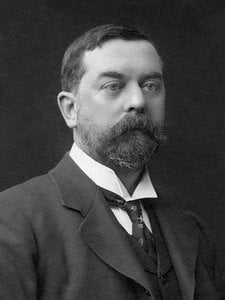
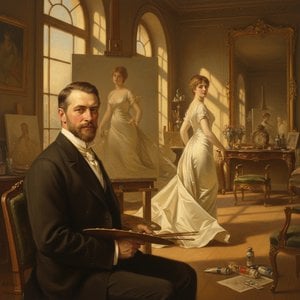
Işık ve Toplumun İçindeki Bir Yaşam: John Singer Sargent’ın Hikayesi
John Singer Sargent, Gilded Çağ'ın zenginliğini ve ihtişamını yansıtan portreleriyle tanınan Amerikalı bir ressamdı. 1856 yılında İtalya’nın Floransa şehrinde dünyaya gelen Sargent’ın hayatı, sıradışı bir sanat yolculuğunun başlangıcı oldu. Ailesinin Amerika kökenli olmasına rağmen, ressam büyük ölçüde Avrupa'da yaşadı ve sanatını geliştirdi. Babası cerrah, annesi ise amatör bir ressam olan Fitzwilliam ve Mary Newbold Sargent çifti, oğullarının sanata olan yeteneğini erken fark ederek onu desteklediler. Ailenin sürekli seyahat halinde olması – Fransa, Almanya, İtalya ve İsviçra gibi ülkeleri kapsayan bu gezgin yaşam – genç John’u kozmopolit bir bakış açısıyla donattı ve Avrupa sanatının zengin mirasıyla erken yaşta tanıştırdı. Geleneksel eğitim yerine, Sargent'ın sanata olan ilgisi müzelerdeki eserleri inceleyerek ve tarihi kiliseleri ziyaret ederek şekillendi; bu durum görsel algısını derinleştirdi ve onu sanat dünyasına yöneltti.
Paris Atölyesinden Portre Üstatlığına
Sargent’ın sanat hayatındaki dönüm noktalarından biri, 1874 yılında on sekiz yaşındayken Paris'te Carolus-Duran'ın atölyesine girmesi oldu. Duran'ın doğrudan resim tekniği – ön çizimleri atlayarak fırçayı doğrudan tuvale vurma sanatı – Sargent’ın zaten etkileyici teknik becerilerini geliştirdi ve portreleri inanılmaz bir hız ve kesinlikle yakalama yeteneğini kazandırdı. Bu devrim niteliğindeki yaklaşım, cesaret ve doğaçlamayı teşvik ediyor ve Sargent'ın tarzının alametifarikası haline geldi. Aynı zamanda École des Beaux-Arts’da eğitimini sürdürerek çizim becerilerini geliştirdi. Ancak, 1879 yılında İspanya seyahati sırasında tanıştığı Diego Velázquez’in ışık kullanımındaki ustalığı, fırça darbeleri ve psikolojik derinliği Sargent'ın sanatsal hayal gücünü ateşledi. Velázquez’in bu niteliklerini kariyeri boyunca taklit etmeye çalıştı. Sargent kısa sürede Paris sosyetesinin gözdesi haline geldi ve portre siparişleri aldı. Ancak, yükselişi sorunsuz olmadı. 1884 Salonu'nda sergilenen *Madame X* (Madam Pierre Gautreau’nun Portresi) adlı tablosu, sosyalite Virginie Amélie Avegno Gautreau’nun cesur tasvirinin tartışmalı bulunmasıyla bir skandala yol açtı. Sargent daha sonra kayışın düşmüş halini düzeltti ancak itibarının zedelenmesi engellenemedi. Bu olaydan dolayı hayal kırıklığına uğrayan ressam 1886 yılında Londra'ya taşındı ve burada yeteneği için daha sıcak bir karşılama buldu. Londra’da, Edward döneminin zengin ve seçkinlerinin portrelerini çizerek toplumun ihtişamını ve sosyal dinamiklerini eşsiz bir beceriyle yakaladı. Ancak Sargent’ın sanatsal hırsları sadece sipariş üzerine yapılan portrelerle sınırlı kalmadı; daha fazla yaratıcı özgürlük arzuluyordu ve giderek manzara resimlerine ve açık havada çalışmalar yapmaya kendini adadı, gevşek fırça darbeleri, canlı renkler ve ışık anlarının yakalanmasına odaklanan Empresyonist bir tarzı benimseyerek. Bu manzaralar, Sargent’ın sosyal statüden ziyade doğal dünyanın güzelliğine daha duyarlı olan farklı bir yüzünü ortaya koyuyor.
Şöhret, Skandal ve Sanatsal Evrim
Sargent hızla Londra'da tanınmış portre ressamı olarak ün kazandı ve bu ünü hayatı boyunca korudu. Ancak kariyerinin son dönemlerinde “duvar resimleri” ve açık havada hazırlanmış peyzaj tablolar yapmaya yöneldi. Ressam geleneksel portrelerin yaratıcılığı kısıtlayıcı niteliğini iyi bildiği için, böylece daha özgür bir ifade alanı bulmuş oldu. Sargent’ın eserleri içlerinde Venedik, Tirol, Korfu, Maine, Florida gibi şehirlerin de bulunduğu dünyanın dört yanına yaptığı seyahatlerden manzaralar yansıtıyor.
Sanatsal Miras: Portrelerin Ötesinde
"Neslinin önde gelen portre ressamı" olarak tanınan John Singer Sargent’ın sanatsal mirası, toplum figürlerinin etkileyici tasvirlerinin çok ötesine uzanmaktadır. *El Jaleo* ve *Carnation, Lily, Lily, Rose* gibi önemli eserleri, onun çok yönlülüğünü ve teknik parlaklığını sergiliyor. Hayatının sonlarında Boston Halk Kütüphanesi için devasa bir duvar resimleri döngüsü de dahil olmak üzere iddialı mural projelerine girişti; bu durum sanatsal vizyonunu büyük ölçekte ifade etme yeteneğini gösterdi. Onun etkisi, teknik becerisine, cesur fırça darbelerine ve hem fiziksel benzerliği hem de psikolojik derinliği yakalama yeteneğine hayranlık duyan sonraki nesillerden sanatçılarda görülebilir. 1980'lerde daha önce göz ardı edilen erkek çıplaklarının yeniden keşfedilmesi, Sargent’ın sanatsal yelpazesine dair anlayışımızı genişletti ve daha önce bilinenlerden daha karmaşık ve nüanslı bir sanatçı olduğunu ortaya çıkardı. *Eserleri günümüzde de dünya çapında izleyicileri büyülemeye devam ediyor*, geçmişe büyüleyici bir bakış sunarken aynı zamanda zamandan bağımsız güzellikleri ve teknik ustalığıyla etkileşime giriyor. Şüphesiz, neslinin en önemli Amerikalı sanatçılarından biri olarak kalıyor; eserleri ilham vermeye ve hayranlık uyandırmaya devam ediyor.
Etkiler ve Sanatsal Akrabalıklar
- Carolus-Duran: Sargent’a doğrudan resim tekniğini aşılayan ve doğaçlamayı teşvik eden hocası.
- Diego Velázquez: Sargent, özellikle İspanyol eserlerinde Velázquez'in ışık kullanımındaki ustalığına, fırça darbelerine ve psikolojik derinliğine hayranlık duydu.
- Empresyonizm: Empresyonistlerin geçici anları yakalama ve atmosferik etkileri vurgulama konusundaki yaklaşımı, manzara resimlerini gevşek, daha dışa dönük bir tarzda şekillendirdi.
- James Abbott McNeill Whistler: Sargent, Whistler ile birlikte estetikçiliğe ilgi duydu ve "sanat için sanat" ilkesini takip etti; bu durum kompozisyon ve renk yaklaşımını etkiledi.



 Önizleme yap
 El yapımı tablo satın al
 Paylaş
 Paylaş
 Detayları Gör

 İndir
İndir
 Benzerlerini gör
 X-Işını
 Slayt Gösterisi
 İstatistikler


 Tümünü Gör






































 Cam seçeneği yalnızca 110 cm altındaki boyutlar için mevcuttur.