Hızlı üretim ve esnek bitiş seçenekleriyle müze kalitesinde giclée veya kanvas baskı. ( El Yapımı Tablo Satın Al Dijital Görsele Geç)





























Eserin orijinal oranlarıyla uyumlu, önceden belirlenmiş boyutlarımız arasından seçim yapın.

Çerçevenize veya duvarınıza uygun olması için ihtiyacınız olan genişlik ve yüksekliği yazın. Bir baskı yalnızca kesilebilir, görselden daha büyük hale getirilemez; bu nedenle farklı bir formdaki boyut seçimi, görselin bir kısmının kaybına neden olur. Herhangi bir baskı yapmadan önce onaylamanız için size bir dijital taslak gönderiyoruz. Bu sayfada gösterilen resim gerçek kesimi göstermez — bunu yalnızca taslak gösterir.
Dünya Çapında Teslimat (); standart 4/5 hafta yerine 2 haftada. (16 Kasım)
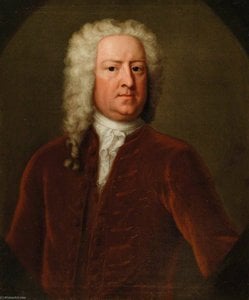
William Pitt
Reproduksiyon Boyutu
The gaze of William Pitt meets the viewer through this oil on canvas, a work emerging from the studio of John Hoppner. The portrait captures the statesman in a moment of heavy stillness, rendered with a sense of gravity that lingers on the surface. It is a work from circa 1805 or after, a period when the subject's presence in British politics was deeply felt. The scale of the image, measuring 55 1/2 in. x 42 1/2 in. (1410 mm x 1080 mm), gives the figure a physical weight that commands the space around it.
John Hoppner’s studio provides the hand behind this depiction, translating the likeness of the man into a study of light and shadow. The paint sits upon the canvas, building a presence that feels immediate and substantial. Every brushstroke contributes to the quiet intensity of the sitter, holding him in a permanent state of contemplation. The work exists as a direct encounter with a man who shaped the direction of a nation, frozen here in the medium of oil.
The subject emerges from a dark, indistinct background, positioned in a bust-length portrait that feels immediate and heavy with presence. He sits slightly off-center, his gaze directed toward the viewer's left, creating a sense of quiet, internal movement. Light descends from the upper left, carving out the contours of his face and neck with a soft, directional glow. This interplay of light and shadow grants the figure a palpable three-dimensional volume, pulling him forward from the atmospheric gloom behind him.
The color palette remains somber and grounded, relying on a restrained selection of earthy, muted tones. Browns, ochre, and cream dominate the scene, while subtle flesh tones define the skin. There is a tactile quality to the surface, where the texture of the canvas peeks through the layers of paint. The brushwork appears smooth and blended, particularly in the soft transitions of the background and the heavy folds of the clothing, yet it maintains enough definition to trace the sharp structure of the facial features and the weight of the coat.
The origins of this portrait trace back to a private commission by Lord Mulgrave, who sought to capture the likeness of the statesman. The artist began the work in December 1804, and the final brushstrokes were applied on the 28th of October, 1805. This specific version, identified as NPG L267, exists as a studio copy of the original portrait. While the primary work was intended for the Mulgrave family, the demand for the image grew rapidly among the subject's supporters, leading to many bespoke copies being produced by the artist's studio.
The movement of this painting through various collections reflects its enduring presence in British history. It currently resides within the collection of the Tate, though it is frequently seen on loan to the National Portrait Gallery in London. This arrangement allows the work to remain accessible to those tracing the political landscape of the era. The provenance of the piece is deeply intertwined with the social circles of the time, as the portrait's popularity ensured that many versions circulated among the elite of the Regency period.
The portrait stirs a profound tension between those who see its technical brilliance and those who recoil from its unflinching honesty. To some observers, the work represents the artist's finest achievement, a peak of his creative ability. Yet, this praise is met with sharp, visceral condemnation from those who knew the man behind the statesman. One contemporary observer famously dismissed the image as a vile picture, finding the depiction far too harsh to be a true likeness.
The debate centers on the psychological weight carried in the subject's expression. Critics have argued that the face appears anxious and diseased, as if reddened by wine and soured by the heavy burden of disappointment. There is a sense that the portrait captures a man at his breaking point, a version of the statesman that many found difficult to accept. This perceived severity led some to suggest that the likeness was almost too unflattering, questioning if such a grim portrayal should ever have been intended for a man of his standing.
While some find the work's power in its ability to strip away the veneer of political dignity, others see it as a departure from the idealized grace expected in high-society portraiture. The tension remains: is this a profound study of a man weathered by his duties, or a failure to capture the youthful spirit of a leader? The brushstrokes hold both the weight of a statesman's exhaustion and the controversy of a likeness that refuses to look away from the toll of power.
The portrait resides within the National Portrait Gallery in London, United Kingdom. Visitors find the subject waiting for them on the third floor, specifically positioned in Room 18. It exists as a vital part of the National Portrait Gallery collection, though its presence in the gallery is a temporary arrangement. The work is currently on loan from the Tate Gallery, which maintains its primary stewardship.
Walking through the halls of the museum, one encounters this depiction of the statesman in a space dedicated to the faces that shaped a nation. The lighting in the gallery room catches the subtle textures of the oil on canvas, allowing the viewer to observe the heavy shadows and the serious expression of the sitter. It remains a central fixture for those tracing the political history of the United Kingdom through its visual records.
The artist's hand moves through other lives and faces, capturing the essence of the Georgian era with a similar command of light. In one notable work, he presents Mrs. Jordan as Viola in 'Twelfth Night', a piece that highlights his celebrated ability to render women and children. This portrait reveals a specific skill that defined his career, much like the way he handles the textures and shadows in his other commissions. He moves between the heavy gravity of statesmen and the softer, more spirited depictions of his female sitters, always maintaining a sense of physical presence.
His reach extends into the highest circles of British society, where he finds himself painting the very figures who shape the nation. He captures the likeness of the Prince of Wales, a man whose patronage helped secure Hoppner's position among the elite. This ability to navigate the social landscape is evident in his portraits of influential men like Lord Hugh Seymour. Each sitter emerges from the dim, atmospheric backgrounds with a distinct vitality, whether they are members of the royal court or prominent figures of the military and aristocracy.
The artist's brush also finds its way to the faces of those who leave their own marks on history, such as in his portrait of Thomas Williams. Through these various subjects, a pattern of character emerges. He uses chiaroscuro to sculpt forms, pulling his subjects forward from the shadows to create a sense of depth. Whether he is working on a formal bust-length portrait or a more expansive composition, his touch remains loose and free, avoiding a rigid or overly precious finish in favor of a living, breathing likeness.
"William Pitt" reprodüksiyonu bir Office için oldukça uygundur.
John Hoppner imzalı "William Pitt", Classic bir atmosfere sahiptir ve Office için önerilir. Ruh hali, eserin çevresindeki mekana kattığı duygudur.
John Hoppner imzalı "William Pitt" eserinin bir baskısını edinmek için, sadece Sanat Baskısı sayfasından sipariş verebilirsiniz: pamuklu kanvas veya arşivlik kanvas kağıt üzerine yüksek kaliteli sanat baskısı.

John Hoppner, 1758 yılında Londra'nın Whitechapel semtinde Alman bir ailenin çocuğu olarak dünyaya geldi. Annesinin kraliyet sarayında görevli Alman hizmetlilerden biri olması, ailenin daha en başından itibaren saray çevresiyle yakın bir bağ kurmasını sağladı. Bu erken dönem çevresi, sanatçıya giden yolu şekillendirse de, başlangıçtaki yönelimi görsel sanatlardan ziyade müzikti. Küçük bir çocukken kraliyet şapelinde koro sanatçısı olarak görev yapan Hoppner, disiplin gerektiren bu rolde yer alsa da, sanata olan doğal eğilimi müziğe olan ilgisini zamanla gölgede bıraktı.
Sanat dünyasına resmi girişi, 1775 yılında Royal Academy'ye adım atmasıyla gerçekleşti. Kurumsal başarılar sayesinde teknik yetkinliğini kısa sürede kanıtlayan sanatçı, 1778 yılında canlı modelden çizim dalında gümüş madalya kazanarak gözlem yeteneğinin pratik bir onayını aldı. 1782 yılına gelindiğinde ise King Lear üzerine yaptığı etkileyici çalışmasıyla Akademi'nin tarihsel resim alanındaki altın madalyasına layık görüldü. Bu erken dönem başarıları, kariyerini tanımlayacak olan yüksek sosyete portreleri için gereken teknik temelleri sağlam bir şekilde inşa etti.
John Hoppner, dönemin en etkili figürlerinin benzerlerini tuvale aktararak Britanya toplumunun en üst tabakalarındaki yerini sağlamlaştırdı. Yüksek sosyetenin sanat siparişlerini yönetme becerisi, Prens of Wales, York Dükü ve Duchess'ı, Lord Rodney ve Lord Nelson portrelerinin St James Sarayı'ndaki devlet dairelerinde sergilenmesini sağladı. Bu eserlerin sergilenmesi yalnızca bir dekorasyon meselesi değil, sanatçının profesyonel statüsünün en somut nişaneleriydi. Tarihsel resim çalışmaları ona erken dönemlerde saygınlık kazandırmış olsa da, jürilerin onun en başarılı üretimleri olarak sürekli vurguladığı alan, kadın ve çocuk tasvirleri oldu.
Sanatçının karakter üzerindeki hakimiyeti, belki de en belirgin şekilde, şu anda Birleşik Krallık, Londra'da English Heritage koleksiyonunda bulunan Mrs. Jordan as Viola in 'Twelfth Night' adlı eserinde kendini gösterir. Bu parça, kariyerini tanımlayan o kendine has yeteneğin bir kanıtıdır. Tuvalin ötesinde ise Hoppner, dönemin edebi kültürüyle de derin bir bağ kurmuştur. 1803 yılında A Series of Portraits of Ladies adlı eserini yayımlayan sanatçı, 1805 yılına gelindiğinde ise Doğu masallarının İngilizce mısralarla yapılmış çevirilerinden oluşan bir cilt sunmuştur. Bu girişimler, etkisi dönemin entelektüel ve sosyal dokusuna kadar uzanan bir sanatçının portresini çizmektedir.
John Hoppner’ın teknik kimliği, renk üzerindeki eşsiz hakimiyetinden ayrı düşünülemez. Pigmentleri ustalıkla kullanarak figürlerini tanımlayan, döneminin en yetkin renk sanatçılarından biri olarak kabul edilirdi. Onun yaklaşımı asla kısıtlayıcı veya aşırı titiz bir doğaya sahip değildi; aksine, fırça darbeleri genişlik ve özgürlükle karakterize edilirdi. Bu serbestlik, sanatçının basit bir taklitçiliğin ötesine geçmesine ve portrelerine, çalışmalarını dönemin daha katı akademik geleneklerinden ayıran kendine has bir canlılık katmasına olanak tanıyordu.
Hoppner’ın yönteminde Joshua Reynolds’un gölgesi belirgin bir şekilde hissedilir. Reynolds’un yerleşik estetik anlayışını yansıtan bir çalışma biçimini benimseyerek ondan derin bir şekilde etkilenmiştir. Bu etki, özellikle ışığın kullanımı ve modellerini çevreleyen o yumuşak, resimsel atmosferde, tablolarının Reynolds’un cazibesini anımsatan hafif bir yansıma taşımasıyla en görünür halini alır. O, stili sadece kopyalamakla kalmamış, onun ilkelerini kendi dışavurumcu ihtiyaçlarına göre uyarlamıştır.
Uygulamada bu durum, natüralizm ile aristokratik bir zarafet arasında denge kuran bir üslup doğurmuştur. Formları şekillendirmek için chiaroscuro tekniğinden yararlanmış; ışık ve gölgenin dramatik etkileşimi sayesinde figürleri loş arka planlardan öne çıkarmıştır. Bu teknik, saçın ince detayları veya akademik cübbelerin ağır kıvrımları gibi doku tasvirlerinde son derece etkili bir sonuç vermiştir. Bu unsurları yönetme becerisi, portrelerinin modern göz için bile hala canlı ve hissedilir bir fiziksel varlığa sahip olmasını sağlamıştır.
John Hoppner’ın profesyonel yaşamı, Thomas Lawrence ile olan amansız rekabetiyle şekillenmiştir. Bu rekabet sadece bir itibar meselesi değil, Londra elitlerinin ilgisini kazanmak adına verilen doğrudan bir mücadeleydi. Bu iki figür arasındaki gerilim, 1803 ile 1809 yılları arasında, her ikisinin de aynı asistana, Samuel Lane'e sahip olmasıyla fiziksel bir boyut kazandı. Personel düzeyindeki bu örtüşme, o dönemdeki portre piyasasının ne kadar dar ve çekişmeli bir yapıda olduğunu gözler önüne sermektedir.
Sanatçının profesyonel ağı, Britanya sanatının en üst düzeyleriyle kesişen önemli iş birliklerine kadar uzanıyordu. Yaklaşık 1788 yılında, Thomas Gainsborough'un bir çalışmasına katkıda bulunarak, Countess Talbot Charlotte'un portresi için arka planı resmetmiştir. Ayrıca, portre serilerini üretmek amacıyla gravür sanatçısı Charles Wilkin ile yakın bir çalışma yürütmüştür. Bu ortaklıklar, eserlerinin daha geniş kitlelere ulaşabilmesi için teknik uzmanlardan oluşan yapılandırılmış bir sisteme ne denli dayandığını kanıtlar niteliktedir.
John Hoppner’ın uluslararası koleksiyonlardaki varlığı, sanatının Britanya Adaları'nın sınırlarını aşan etkileyici gücünü kanıtlar niteliktedir. Amerika Birleşik Devletleri'nde, New York'taki Metropolitan Museum of Art sanatçının iki değerli eserine ev sahipliği yaparken, Cincinnati'deki Taft Museum of Art da iki önemli çalışmasını korumaktadır. Bu eserler, sanatçının kendi döneminin yüksek sosyete portre sanatında renk ve formu nasıl ustalıkla harmanladığına dair doğrudan bir bakış sunmaktadır.
Birleşik Krallık'ta ise Hoppner'ın mirası, ülkenin en önemli kurumları arasında dağılmış durumdadır. Londra'da bulunan English Heritage, sanatçının portre resmindeki ustalığının en berrak örneklerinden biri olan Mrs Jordan as Viola in 'Twelfth Night' adlı eserini muhafaza etmektedir. Londra'daki National Maritime Museum da bir tablosuna sahip olarak, sanatçının Britanya denizcilik ve sosyal tarihi içindeki etkisinin kalıcılığını sağlamaktadır. Ayrıca, Aberystwyth'teki Galler Ulusal Kütüphanesi de koleksiyonunda bir eserini barındırmaktadır.

1758 - 1810 , Birleşik Krallık
 Gerçek Boyutta Önizle

 Paylaş
 Paylaş
 Detayları Gör
 Rehber


 İndir
 Benzer ürünler
 X-Işını
 Slayt Gösterisi
 Soru & Cevap

 İstatistikler


 Tümünü Gör









 Cam seçeneği yalnızca 110 cm altındaki boyutlar için mevcuttur.