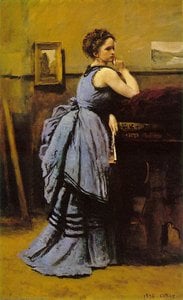
Sanatçılarımız tarafından sipariş üzerine hazırlanan; istediğiniz boyut ve çerçevede, tuval üzerine el boyaması yağlı boya. ( Baskı satın al Görsel satın al)





























Eserin orijinal oranlarıyla uyumlu, önceden belirlenmiş boyutlarımız arasından seçim yapın.

Belirli bir çerçeveye veya alana uyması için kendi boyutlarınızı girebilirsiniz. Seçtiğiniz boyut orijinal görüntünün oranlarıyla eşleşmiyorsa, sanat eserini kırparak veya ek el boyaması öğelerle resmi uzatarak ayarlayacağız. Üretim başlamadan önce onayınız için dijital bir taslak gönderilecektir.
Lütfen ekrandaki önizlemenin gerçek kırpmayı veya uzatmayı yansıtmadığını unutmayın. Nihai kompozisyonu yalnızca hazırlanan taslak doğru şekilde gösterecektir.
Özel boyutlar mevcut olsa da, orijinal oranları korumak adına önceden tanımlanmış listeden bir boyut seçmenizi öneririz.
Dünya Çapında Teslimat (); standart 5 hafta yerine 3/4 haftada. (6 Eylül). Kaliteden ödün verilmez.


The Harpist
Reproduksiyon Boyutu
John George Brown's "The Harpist," painted in 1870, is more than just a portrait; it’s a carefully constructed tableau of Victorian sensibilities and burgeoning American artistic aspirations. This evocative work, depicting a woman lost in the delicate strains of two harps, immediately draws the viewer into a world of quiet contemplation and musical beauty. Brown, an English immigrant who established himself as a successful artist in America during this period, masterfully captures a mood – one of wistful reflection and perhaps even a touch of sadness – that resonates deeply with the era’s fascination with romanticism and the burgeoning interest in classical music.
Brown’s technique is characterized by meticulous detail and a refined understanding of light and shadow, hallmarks of his training in England and honed through years of observation within the American art market. He employs smooth brushwork and subtle gradations of tone to create a remarkably realistic depiction of the woman's features and clothing. The use of pink hues – both in the subject’s attire and the background – contributes significantly to the painting’s overall mood, evoking feelings of tenderness and serenity. The artist demonstrates a clear command of color theory, utilizing complementary colors (pink and green/brown) to create visual harmony and depth.
"The Harpist" reflects several key trends of the 1870s. The harp itself was a potent symbol of both ancient Greece and burgeoning Romantic musical movements, representing beauty, harmony, and emotional expression. The inclusion of the violin further emphasizes this connection to music. Furthermore, Brown’s work aligns with the Victorian fascination with childhood innocence and the portrayal of women as muses or artistic inspiration – a common theme in 19th-century art. The date of 1870 places the painting squarely within a period of significant social and economic change in America, marked by industrialization and urbanization, yet Brown’s work offers a poignant counterpoint to this rapid transformation, focusing on a moment of quiet beauty and introspection.
Ultimately, “The Harpist” transcends its technical merits to evoke a powerful emotional response. The painting's subdued palette, coupled with the subject’s contemplative pose, creates an atmosphere of profound stillness and melancholy. It is a work that invites viewers to pause, reflect, and perhaps even contemplate their own relationship with music and beauty. John George Brown’s legacy lies not only in his technical skill but also in his ability to capture fleeting moments of human emotion with sensitivity and grace – a quality that continues to resonate with audiences today. This hand-painted reproduction offers an exceptional opportunity to experience the full impact of this remarkable artwork.


1831 - 1913 , Birleşik Krallık
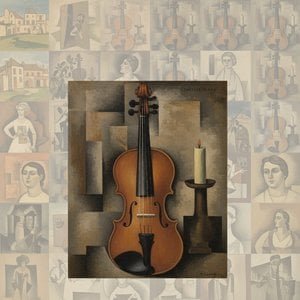
Georges Braque'ın en iyi 25 eserini keşfedin! Kübizm hareketinin öncüsü olan bu ikonik tablolar, modern sanatın ruhunu yansıtıyor. Sanat tarihine yolculuk yapın ve evinizi WahooArt.com'un yüksek kaliteli baskılarıyla zenginleştirin.
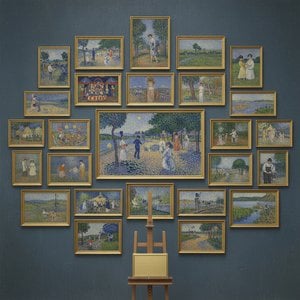
Georges Seurat'ın en iyi 25 eserini keşfedin! İzlenimcilik ve Noktacılık akımının öncüsü bu Fransız ressamın renkli dünyasına yolculuk yapın. Sanat baskıları ve ev dekorasyonu için WahooArt.com'da koleksiyonu inceleyin.
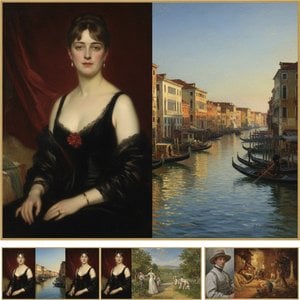
John Singer Sargent'ın en iyi 25 eserini keşfedin! Amerikan empresyonizminin ustası Sargent’ın portrelerindeki zarafeti, tekniği ve renkleri inceleyin. Ev dekorasyonunuz için lüks sanat baskıları WahooArt.com'da. Koleksiyonu şimdi keşfedin!

John Constable'ın en iyi 25 eserini keşfedin! İngiliz manzara sanatının büyülü dünyasına dalın, romantizm akımını ve kırsal yaşamı yansıtan tablolarla evinizi zenginleştirin. Sanat reproduksiyonları WahooArt'ta.

Explore the captivating genre paintings of John George Brown, celebrated for his realistic depictions of 19th-century American life. Discover his legacy & find museum-quality reproductions at WahooArt.

 Önizleme yap
 Paylaş
 Paylaş
 Detayları Gör

 İndir
İndir
 Benzerlerini gör
 X-Işını
 Slayt Gösterisi


 Tümünü Gör







 Cam seçeneği yalnızca 110 cm altındaki boyutlar için mevcuttur.