Işığın ve Sessizliğin Usta: Johannes Vermeer’in Dünyası
Johannes Vermeer, 17. yüzyıl Hollanda yaşamının dingin ve içten atmosferini çağrıştıran bir isim olarak, yüzyıllar sonra bile gizemini korumaktadır. Ekim 1632'de Delft’te doğan Vermeer’in hayatı, eşsiz refahı, sanatsal yenilikleri ve gelişen sivil gururu ile karakterize edilen Hollanda Altın Çağı’nın arka planında şekillenmiştir. Babası Reijnier Janszoon, ipek dokumacı ve sanat esnafıydı; bu kombinasyon genç Johannes'in yolunu ince bir şekilde etkilemişti. Hem zanaat dünyasına hem de sanat piyasasının seçici gözüne maruz kalmak, ona malzeme, kompozisyon ve yaratım ile ticaret arasındaki hassas dans hakkında bir anlayış kazandırmıştı. Bu erken dönem deneyimi sadece gözlemci değildi; kendi benzersiz sanatsal vizyonunu inşa etmek için Vermeer’in üzerine kurduğu bir temeldi. Lüks içinde doğmamış, aksine sanatın gündelik pratiklikle iç içe geçtiği bir dünyaya doğmuştu; bu duyarlılık, konu seçimini derinden etkileyecekti. 1653'te Catharina Bolnes ile evlenmesi, hem kişisel mutluluk getirmiş hem de çoğunlukla Protestan Delft’teki hayatına ince bir karmaşıklık katmıştı.
Günlük Yaşamın Ustası: Vermeer’in Sanatsal Gelişimi
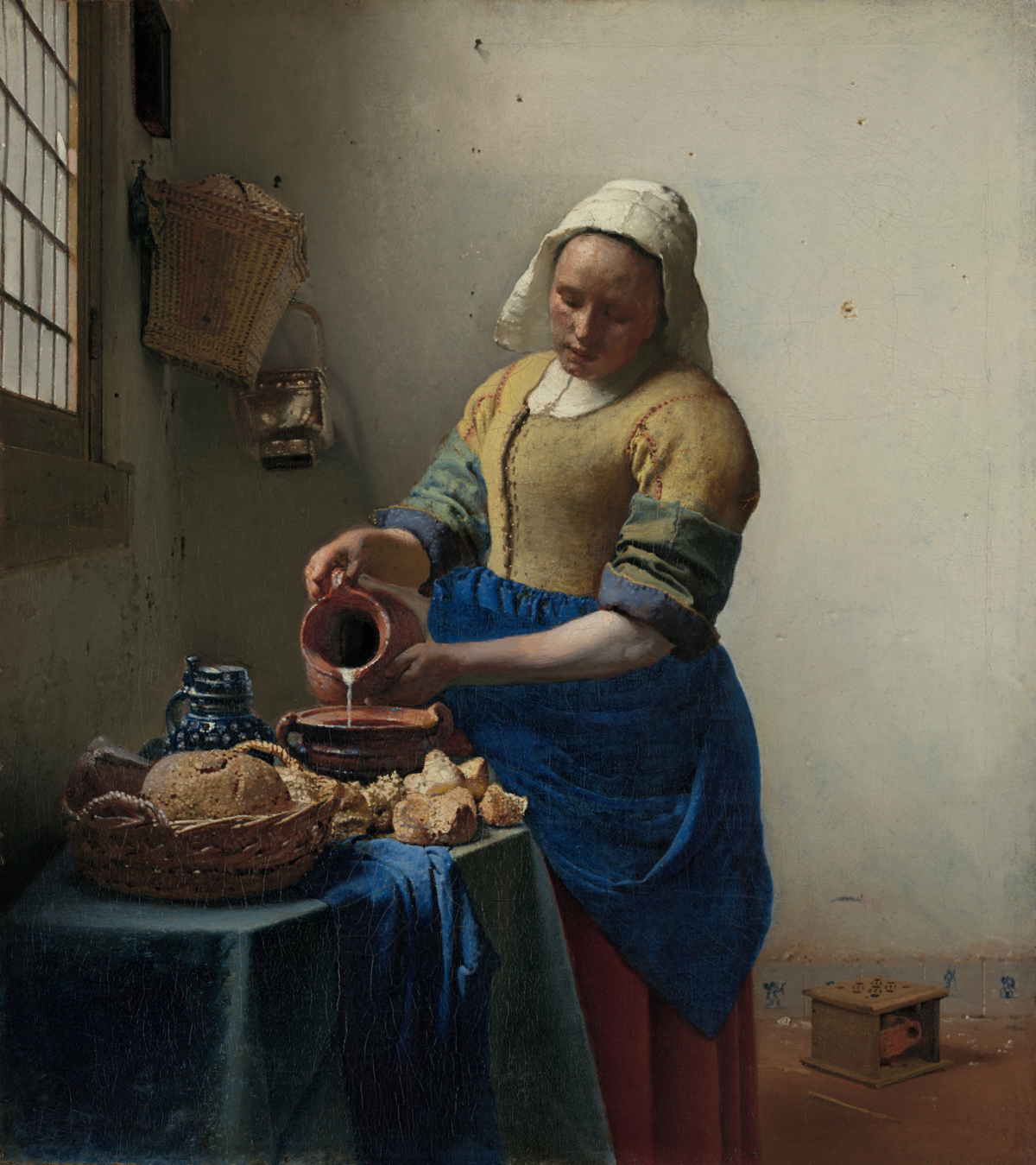
Vermeer'in sanatsal yolculuğu tarihi ve mitolojik sahnelerle başladı, ancak hızla mirasını tanımlayacak olan tür sanatına yöneldi. Büyük anlatılara veya kahramanca işlere ilgi duymuyordu; bunun yerine gündelik yaşamın sıradanlığında güzellik ve anlam buldu—açık bir pencereye bakarak mektup okuyan bir kadın, mallarını döken sütçü kız, dikkatle çalışan bir boncuk işleyen kadın. Bunlar sadece günlük yaşamın tasvirleri değildi; ışığın, rengin ve insan varlığının özenle kurgulanmış çalışmalarıydı. Tekniği titizlikle yürütülmüş, kasıtlı yavaşlık ve optiklere neredeyse bilimsel bir yaklaşım ile karakterizeydi. Geniş ölçüde eskizler çizmedi veya aynı kompozisyonun çok sayıda versiyonunu üretmedi. Her tablo, dikkatlice oluşturulmuş, ince boya katmanları üzerine inşa edilmiş, görülmemiş parlaklık yaratan bir çaba gerektiriyordu. Bu titiz süreç, bugün evrensel olarak ona atfedilen yaklaşık 34 tablonun nispeten küçük bir koleksiyonuna yol açtı, ancak her biri sarsılmaz bağlılığının ve sanatsal ustalığının kanıtıdır. Sadece gerçekliği *temsil* etmiyordu; yüzeylerle etkileşim halinde olan ışığın özünü yakalıyordu, dingin sessizlik ve sakin düşünce atmosferi yaratıyordu.
Işık, Perspektif ve Gerçekliğin İllüzyonu
Vermeer'i gerçekten ayıran şey, ışıltıyı ele alma konusundaki eşsiz yeteneğidir. Sahnelerini sadece aydınlatmakla kalmıyor, onları ışıkla *tanımlıyordu*. Bu, sert veya dramatik bir aydınlatma değil, sanki kendilerinden yayılan yumuşak, dağınık bir parıltıydı. Bu etki, dikkatli gözlem ve teknik becerilerin birleşimiyle elde edildi—farklı yüzeylerden yansıyan ışığın nasıl çalıştığına dair derin bir anlayış ve bu gözlemleri olağanüstü doğrulukla tuvale aktarma yeteneği. *Camera obscura* adı verilen, bir görüntüyü bir yüzeye yansıtan bir cihazı kullanmış olması, perspektif ve ayrıntının kesin olarak çizilmesine yardımcı olmuş olabilir. Ancak Vermeer sadece gördüğünü kopyalamıyordu; kendi sanatsal duyarlılığı aracılığıyla yorumluyordu, her sahneyi duygusal yankı ve psikolojik derinlik hissiyle dolduruyordu. İç mekanları sadece alanlar değil, ince nüanslar ve gizli anlamlarla dolu, kendiliğinden bir dünya haline geliyorlardı. Nesnelerin yerleşimi, ışığın açısı, bir konu yüzündeki ifade—tüm bunlar, izleyicileri uzun süre düşünmeye davet eden dikkatlice düzenlenmiş bir kompozisyona katkıda bulunur.
Yeniden Keşfedilen Bir Miras: Vermeer’in Kalıcı Etkisi
Yeteneğine rağmen, Vermeer sadece mütevazı tanınma gördü. Aile borçları ve 1670'lerin ekonomik durgunluğuyla boğuşarak maddi zorluklar yaşadı. Aralık 1675'teki ölümü, eşi ve çocuklarını kırılgan bir durumda bıraktı. Eserleri neredeyse iki yüzyıl boyunca unutuldu, daha üretken ve kutlanan sanatçılar tarafından gölgede bırakıldı. Sadece 19. yüzyılda Gustav Friedrich Waagen ve Théophile Thoré-Bürger gibi sanat tarihçileri tarafından "yeniden keşfedildi", yeteneğini savundu ve eserlerini daha geniş bir kitleye getirdi. Bu yeniden keşif, ilgi artışına yol açtı ve Vermeer'in itibarı o zamandan beri sürekli büyümektedir. Bugün, Hollanda Altın Çağı'nın en büyük ressamlarından biri olarak saygı görüyor—ışık, renk ve kompozisyonun bir ustası; eserleri izleyicileri büyülemeye ve ilham vermeye devam ediyor. Onun etkisi, ayak izlerini takip eden ve gündelik yaşamın güzelliğini yakalama yeteneğinden etkilenen çok sayıda sanatçıda görülebilir.
- Önemli Eserler: *Sütçu Kız*, *Delft Manzarası*, *İnci Küpeli Kız*, *Resim Sanatı*, *Aşk Mektubu*.
- Eserlerinde keşfedilen temalar arasında evcilik, ışık ve gölge, perspektif ve gündelik yaşamın sessiz güzelliği yer alır.
Vermeer'in tabloları sadece tarihi eserler değil; geçmiş bir çağa açılan pencereler—17. yüzyıl Hollanda toplumunun hayatlarına ve duyarlılıklarına dair bir bakış—dır. Bize hayatın basit zevklerini takdir etmeyi, sıradanlığın içinde güzellik bulmayı ve dünyayı yeni gözlerle görmeyi hatırlatıyorlar. Onun mirası sadece olağanüstü tabloları aracılığıyla değil, aynı zamanda tüm dünyadaki izleyicileri büyüleyen ve ilham veren sanatsal vizyonunun kalıcı gücü aracılığıyla da yaşamaya devam ediyor.



 Önizle
 El Yapımı Tablo Satın Al
 Gönder
 Paylaş
 Detaylar
 Rehber

 Dosyayı İndir
 Benzerleri
 X-Işını
 Slayt Gösterisi
 İstatistikler


 Devamını Oku






































 Cam seçeneği yalnızca 110 cm altındaki boyutlar için mevcuttur.