


Hızlı üretim ve esnek bitiş seçenekleriyle müze kalitesinde giclée veya kanvas baskı. ( El yapımı tablo satın al Görsel satın al)
Eserin orijinal oranlarıyla uyumlu, önceden belirlenmiş boyutlarımız arasından seçim yapın.

Belirli bir çerçeveye veya alana uyması için kendi ölçülerinizi girebilirsiniz. Seçtiğiniz boyut orijinal görüntünün oranlarıyla eşleşmiyorsa, sanat eserini kırpacağız veya görüntüyü aynalanmış ya da düz dolgulu bir kenarlıkla genişleteceğiz. Üretim başlamadan önce onayınız için bir dijital taslak gönderilecektir.
Lütfen ekrandaki önizlemenin gerçek kırpma veya genişletmeyi yansıtmadığını unutmayın. Nihai kompozisyonu yalnızca taslak doğru bir şekilde gösterecektir.
Özel boyutlar mevcut olsa da, orijinal oranları korumak için önceden tanımlanmış listeden bir boyut seçmenizi öneririz.
Dünya Çapında Teslimat (); standart 4/5 hafta yerine 2 haftada. (7 Eylül)


Jesus at the Tomb
Reproduksiyon Boyutu
Jean-Jacques Henner’s "Jesus at the Tomb" is a profoundly moving work that captures a moment of quiet contemplation following Christ's crucifixion. The artwork depicts a nude male figure lying supine on a dark surface, bathed in dramatic lighting that emphasizes his vulnerability and mortality. This piece isn't a depiction of resurrection; rather, it focuses on the stillness and solemnity of death, inviting viewers to reflect upon themes of loss, sacrifice, and spiritual reflection.
"Jesus at the Tomb" exemplifies Henner’s mastery of both Romantic and Symbolist artistic currents. The dramatic lighting – a hallmark of Romanticism – creates strong contrasts between illuminated areas and deep shadows, heightening the emotional intensity of the scene. The emphasis on the human figure as a subject of contemplation aligns with Symbolist ideals, prioritizing emotional depth over strict realism. Henner’s technique involves broad brushstrokes applied with oil paints, resulting in a textured surface that adds to the work's tactile quality and visual richness. The use of sfumato, a technique characterized by subtle gradations of tone, softens the edges and creates an ethereal atmosphere.
The composition is predominantly horizontal, drawing attention to the body’s form and its relationship with the surrounding darkness. The flattened perspective prioritizes emotional impact over spatial accuracy. The nude figure itself symbolizes vulnerability and humanity, stripped bare of earthly power and glory. The enveloping shadows represent not only physical darkness but also a sense of isolation and introspection. The absence of other figures reinforces this feeling of solitude, focusing solely on the profound stillness of death. The organic lines following the curves of the body contribute to the overall sense of naturalism and emotional resonance.
Henner (1829-1905) was a prominent French painter known for his nudes, religious subjects, and portraits. He studied under Michel Martin Drolling and François-Édouard Picot before entering the École des Beaux-Arts in Paris. His work frequently explored themes of mortality and spirituality, often employing dramatic lighting and expressive figures to evoke powerful emotions. "Jesus at the Tomb" is considered one of his most significant works, demonstrating his ability to blend technical skill with profound emotional depth. The painting reflects a broader artistic trend in 19th-century France towards exploring religious subjects through a lens of Romantic sensibility and Symbolist introspection.


1829 - 1905 , Fransa

Discover the captivating world of Yvonne Jean Haffen, a leading figure in post-war French abstraction. Explore her unique style, vibrant color palettes, and investment potential with WahooArt.

Explore the captivating world of Jean-Louis Forain, a master Impressionist chronicler of Belle Époque Paris. Discover his satirical paintings, realistic scenes & lasting legacy. Learn about collecting Forain's art today!
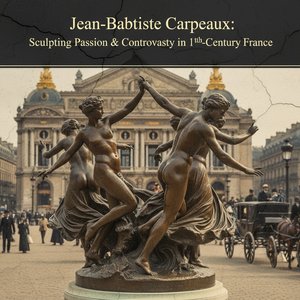
Explore the passionate life & controversial works of Jean-Baptiste Carpeaux, a leading French sculptor of the Second Empire. Discover his realism, iconic sculptures like 'Ugolino,' and lasting legacy as a precursor to Rodin.

Explore the captivating world of Jean-Baptiste Pater, a master of Rococo painting. Discover his elegant *fête galante* scenes and shimmering portraits – a glimpse into 18th-century French aristocracy. Learn about his legacy & find high-quality reproductions.

Discover the captivating world of Jean-Antoine Watteau, master of the Fête Galante! Explore his iconic paintings, symbolism, and lasting influence on Rococo art. A deep dive for classic art enthusiasts.

 Önizleme yap
 Paylaş
 Paylaş
 Detayları Gör

 İndir
İndir
 Benzerlerini gör
 X-Işını
 Slayt Gösterisi
 Tümünü Gör




































 Cam seçeneği yalnızca 110 cm altındaki boyutlar için mevcuttur.


