


Hızlı üretim ve esnek bitiş seçenekleriyle müze kalitesinde giclée veya kanvas baskı. ( El Yapımı Tablo Satın Al Dijital Görsele Geç)





























Eserin orijinal oranlarıyla uyumlu, önceden belirlenmiş boyutlarımız arasından seçim yapın.

Çerçevenize veya duvarınıza uygun olması için ihtiyacınız olan genişlik ve yüksekliği yazın. Bir baskı yalnızca kesilebilir, görselden daha büyük hale getirilemez; bu nedenle farklı bir formdaki boyut seçimi, görselin bir kısmının kaybına neden olur. Herhangi bir baskı yapmadan önce onaylamanız için size bir dijital taslak gönderiyoruz. Bu sayfada gösterilen resim gerçek kesimi göstermez — bunu yalnızca taslak gösterir.
Dünya Çapında Teslimat (); standart 4/5 hafta yerine 2 haftada. (8 Kasım)
The morphinist
Reproduksiyon Boyutu
Janos Vaszary’s “The Morphinist,” painted in 1930, is more than just a portrait; it's a haunting meditation on the anxieties of modernity. This arresting image, now residing within the esteemed collection of the Hungarian National Gallery in Budapest, immediately draws the viewer into a world of muted colors and unsettling stillness. The central figure, a woman lying prone with her head turned to the left, embodies a profound sense of isolation – a feeling acutely relevant even today. Her posture, coupled with the towering, shadowy male figure behind her, speaks volumes about the alienation inherent in urban life, where individuals can feel adrift amidst the relentless flow of city existence.
“The Morphinist” is firmly rooted in the artistic currents of its time, most notably Art Deco. The painting’s style echoes the bold lines and vibrant color palettes characteristic of Art Deco posters and fashion magazines of the 1930s. Vaszary masterfully employs a light background overlaid with carefully constructed colored lines, creating a powerful visual effect that draws the eye to the central figure while simultaneously immersing the viewer in the scene’s atmosphere. The technique is precise and deliberate, showcasing a deep understanding of color theory and composition – hallmarks of Vaszary's training under Gabriel von Hackl in Munich.
Created in 1930, “The Morphinist” reflects a period of significant social and psychological change. The rise of industrialization and urbanization had led to widespread feelings of alienation and anxiety, themes that Vaszary explored with remarkable sensitivity. The inclusion of the Buddha’s head on the left side is particularly noteworthy; it represents a yearning for spiritual solace amidst the turmoil of modern life – a common sentiment during this era. Vaszary's work aligns with the broader context of Hungarian Impressionism and his artistic journey, beginning with traditional training in Munich and culminating in Parisian influences that shaped his unique style. His connection to the Hungarian National Gallery solidifies his place as a pivotal figure in Hungarian art history.
Size:** 149 x 120 cm Date:** 1930“The Morphinist” transcends its historical context, offering a timeless reflection on the human condition. It’s a painting that invites contemplation – prompting questions about identity, isolation, and the search for meaning in an increasingly complex world. This reproduction captures not just the visual elements of Vaszary's masterpiece but also the emotional weight and intellectual depth that have made it such a significant work of art. It is a powerful addition to any collection, offering both aesthetic pleasure and profound insight.
János Vaszary imzalı "The morphinist", Accent için önerilmektedir; ideal olarak bir Living Room içerisinde sergilenmesi uygundur. Kullanım amacı ve mekan, reprodüksiyonun nereye yakışacağına dair yol gösterir.
János Vaszary imzalı "The morphinist" reprodüksiyonunu önizlemek için eserin Önizleme sayfasını açın.
"The morphinist" adlı eserin János Vaszary tarafından yapıldığı düşünülmektedir.


1867 - 1939 , Hungary

Discover the breathtaking allure of Art Deco. Explore the era's iconic geometry, legendary designers like Erté, and timeless glamour. Perfect for discerning collectors seeking to infuse their spaces with sophisticated modernist elegance and historical prestige.
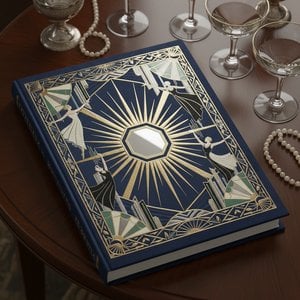
Discover the allure of Art Deco through a curated guide to its most iconic masterpieces. Explore the elegance of Erté and the innovation of Jean Dunand, perfect for collectors seeking timeless glamour and sophisticated design inspiration.

Master the nuances of Giclée printing with our expert guide. Discover how pigment-based inks and museum-grade substrates create fade-resistant, high-fidelity art reproductions designed for discerning collectors seeking unparalleled quality and longevity.

Discover the pinnacle of fine art reproduction with WahooArt.com’s premium textured Giclée prints. Our archival-quality, hand-enhanced masterpieces offer museum-grade depth and lasting value for the discerning collector seeking to elevate their private estate or luxury decor.

Discover the excellence of WahooArt.com premium poster prints. Designed for elite collectors, our museum-quality Giclée reproductions offer unmatched durability and archival precision to elevate your luxury interiors with high-impact, sophisticated art decor.
 Gerçek Boyutta Önizle
 Paylaş
 Paylaş
 Detayları Gör
 Rehber

 İndir
İndir
 Benzer ürünler
 X-Işını
 Slayt Gösterisi
 Soru & Cevap
 İstatistikler


 Tümünü Gör









 Cam seçeneği yalnızca 110 cm altındaki boyutlar için mevcuttur.


