James Ensor’s ‘Self-Portrait with Masks’: A Descent into the Subconscious
James Sidney Edouard Ensor's 'Self-Portrait with Masks' (1899) is more than just a portrait; it’s a visceral plunge into the artist’s psyche, rendered in a style that would become synonymous with Expressionism and foreshadowed Surrealism. Created during a period of intense experimentation and personal reflection for Ensor, this painting captures a moment of profound introspection, layered with unsettling symbolism and executed with a raw, almost violent energy.
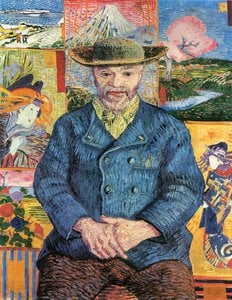
The scene unfolds within a dimly lit space, dominated by the imposing figure of Ensor himself. His gaze is direct, challenging, yet tinged with a melancholic awareness. Surrounding him are three meticulously crafted masks – a demonic visage on the left, radiating menace and hinting at hidden anxieties; a more human-like mask in the center, perhaps representing societal expectations or a carefully constructed facade; and another mask on the right, shrouded in shadow, suggesting the unknown depths of the subconscious. The table upon which these objects rest is cluttered with artistic tools – a paintbrush, palette, inkwell, and a single, drooping flower – symbols of creation, contemplation, and ultimately, decay.
A Masterclass in Expressionist Technique
Ensor’s technique is immediately striking. He employs loose, energetic brushstrokes that convey a sense of urgency and emotional intensity. The paint itself seems to writhe on the canvas, creating a textured surface that invites close examination. The color palette – dominated by earthy ochres, browns, greens, punctuated by flashes of bold red and blue – is not intended for realistic representation but rather to evoke mood and atmosphere. Notice how the colors bleed into one another, blurring the lines between reality and illusion. The use of impasto—thickly applied paint—adds a tactile quality to the work, further intensifying its emotional impact.
Historical Context: A Rebellion Against Convention
‘Self-Portrait with Masks’ was created during a turbulent period in Ensor's career and within the broader artistic landscape of the late 19th century. Ensor was already known for his provocative and often unsettling works, which challenged prevailing aesthetic norms and societal expectations. His embrace of Expressionism—a movement that prioritized subjective emotion over objective representation—was revolutionary at the time. This painting reflects Ensor’s fascination with the carnival, a world of masks, disguise, and heightened emotions – a world he sought to capture on canvas.
Symbolic Layers: Identity, Deception, and the Unconscious
The masks themselves are potent symbols. They represent not just individual identities but also the various roles we play in life, the masks we wear to conceal our true selves, and the deceptive nature of appearances. The demonic mask suggests a confrontation with darker impulses, while the human-like mask represents societal pressures and conformity. The shrouded right mask hints at the mysteries of the unconscious mind – a realm of hidden desires, fears, and anxieties. Ensor’s contemplative pose and the theatrical arrangement of these masks invite viewers to confront their own sense of identity and self-awareness. The single flower, drooping sadly, could represent lost innocence or the fleeting nature of beauty.
A Timeless Masterpiece for Collectors and Design Enthusiasts
'Self-Portrait with Masks' is a truly exceptional work that continues to resonate with audiences today. Its bold imagery, profound symbolism, and masterful execution make it an ideal addition to any art collection or interior design scheme. This painting’s vibrant palette and expressive style will undoubtedly become a focal point in any space, sparking conversation and inspiring contemplation. Whether you are a seasoned collector or simply seeking a unique piece of art with lasting significance, this Ensor masterpiece is sure to captivate and inspire.
Soru ve Cevaplar
"Portre Maskelerle" ne zaman yapıldı?
James Ensor imzalı "Portre Maskelerle" eserinin yapım tarihi 1899 olarak kaydedilmiştir.
"Portre Maskelerle" eserinin yazarı ve tarihi nedir?
James Ensor, "Portre Maskelerle" adlı eseri 1899 yılında yaptı.
"Portre Maskelerle" adlı eser hangi sanatçıya atfediliyor?
"Portre Maskelerle", James Ensor tarafından yaratılmıştır. Bu sayfadaki bilgiler James Ensor imzalı orijinal esere aittir.
"Portre Maskelerle" eseri yaratıldığında James Ensor kaç yaşındaydı?
James Ensor, 1899 yılında "Portre Maskelerle" eserini oluşturduğunda 39 yaşındaydı. Bu yaş, sanatçının 1860 olan doğum yılından hesaplanmıştır.
"Portre Maskelerle" eserinin üslubu, yaratıcısının dönemle nasıl bir ilişki içindedir?
James Ensor imzalı "Portre Maskelerle" eserinde, Surrealism
Expressionism akımı 19. Yüzyıl dönemiyle buluşuyor.
"Portre Maskelerle" eserinin hangi boyutta basılması önerilir?
James Ensor imzalı "Portre Maskelerle" için Büyük Boy boyutunda bir reprodüksiyon önerilir. Boyut, oranlar korunarak ayarlanabilir.
"Portre Maskelerle" eserinin arkasındaki sanatçı ve tarz hangisidir?
"Portre Maskelerle" eserinin arkasında James Ensor ve Surrealism
Expressionism akımı yer almaktadır.



 Önizle
 El Yapımı Tablo Satın Al
 Gönder
 Paylaş
 Detaylar
 Rehber

 Dosyayı İndir
 Benzerleri
 X-Işını
 Slayt Gösterisi
 İstatistikler


 Devamını Oku






































 Cam seçeneği yalnızca 110 cm altındaki boyutlar için mevcuttur.