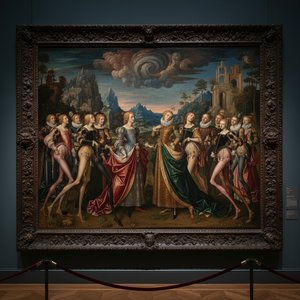
Jacopo Ligozzi'nin Vizyoner Sentezi
Geç Rönesans ve Maniyerist İtalya'nın canlı ve dönüştürücü çağında, Jacopo Ligozzi kadar estetik zarafet ile ampirik merakın kesişimini derinlemesine somutlaştıran çok az figür vardı. 1547 yılında Verona'da saygın sanatçı Giovanni Ermano Ligozzi'nin oğlu olarak dünyaya gelen Jacopo, doğduğu andan itibaren ustalığın ve görsel hikaye anlatıcılığının her şeyin üzerinde olduğu bir dünyaya daldı. İlk yılları zanaatkâr loncalarının katı gelenekleriyle şekillense de, ruhu doğal dünyanın mucizelerine karşı doymak bilmez bir açlığa sahipti. Bu ikili tutku—ressamın disiplinli tekniği ile doğacının gözlemci bakışı—zamanla onun sanat ve bilim arasındaki boşluğu doldurmasını sağlayacak ve ona salt dekorasyonun ötesine geçen bir miras kazandıracaktı.
Ligozzi'nin sanatsal yolculuğu, efsanevi heykeltıraş Giovanni Battista Buonarroti'den ders aldığı Floransa'daki zamanıyla önemli ölçüde şekillendi. Floransa Maniyerist geleneği içindeki bu yoğun eğitim dönemi, ona form, ışık ve dramatik kompozisyon konusunda bir ustalık kazandırdı. Ancak Ligozzi, yalnızca üslup taklidinin sınırları içinde kalmaya asla razı olmadı. Hırsları, onu çağının gelişmekte olan bilimsel araştırmalarına yönlendirdi. Viyana'daki Habsburg sarayına davet edilmesi kariyerinde dönüm noktası oldu; orada imparatorluk bakışlarını büyüleyen botanik ve zoolojik örneklerin eşsiz çizimlerini sundu. Bu eserler sadece güzel illüstrasyonlar değil, modern bilimsel belgelemenin erken öncülleriydi ve daha sonra pek çok kişinin ona "Floransa'nın Audubon'u" olarak hitap etmesine yol açacak bir hassasiyet seviyesini sergiliyordu.
Medici Sarayı'nın ve Doğal Mucizelerin Ustası
Floransa'ya yerleştiğinde, Ligozzi sanat topluluğunun en yüksek mertebelerine yükseldi. 1574 yılında Giorgio Vasari'nin ölümünün ardından, Floransa sanatının yönü üzerinde muazzam bir nüfuz kazandıran Accademia e compagnia delle arti del disegno kurumunun liderliğini üstlendi. Kariyeri, Francesco I, Ferdinando I ve Cosimo II gibi ardışık Büyük Düklere hizmet etmesiyle güçlü Medici hanedanıyla ayrılmaz bir şekilde bağlantılıydı. Bu prestijli himaye, onun görkemli tarihi anlatılardan pietre dure tasarımının zarif sanatına kadar çok çeşitli mecralarda deney yapmasına olanak tanıdı.
Sanat üretimi, derin ruhaniyetten yoğun biyolojik temalara uzanan olağanüstü bir çok yönlülükle karakterize edilir:
- Biblik Anlatılar: 1596 tarihli İshak'ın Kurban Edilişi gibi eserlerinde Ligozzi, inanç ve ilahi müdahale gibi derin temaları keşfetmek için Barok tarzın dramatik gerilimini kullanmış; ışık ve gölgeyi kullanarak İncil dramının duygusal ağırlığını artırmıştır.
- Botanik Hassasiyet: Agave americana'nın titiz tasviri gibi illüstrasyonları, doğal dünyanın karmaşık dokularını ve mat tonlarını yakalayan bilimsel bir titizlik sergileyerek döneminin botanikçileri için hayati kayıtlar oluşturmuştur.
- Tarihi ve Denizsel Dram: <Lepanto'dan Dönüş Yapan Santo Stefano Süvarisi gibi parçalarda, dönemin siyasi iklimiyle yankılanan bir hareket duygusu ve kültürel önemle büyük ölçekli tarihi olayları yakalama yeteneğini kanıtlamıştır.
Floransalı Doğacının Mirası
Jacopo Ligozzi'nin tarihsel önemi, sanat ve bilimi ayrı disiplinler olarak görmeyi reddetmesinde yatar. Çağdaşlarının çoğu idealize edilmiş insan formuna veya mitolojik alegorilere odaklanırken, Ligozzi toprağa, bitki örtüsüne ve hayvanlar alemine doğruluk gerektiren bir saygıyla baktı. Tuvali, her bir taç yaprağın ve her bir pulun neredeyse dokunsal bir gerçeklikle işlendiği bir gözlem laboratuvarına dönüştürdü.
Bilimsel illüstrasyonun titizliğini Maniyerizm'in sofistike diliyle bütünleştiren Ligozzi, sonraki yüzyılların doğa tarihi hareketlerinin yolunu açmaya yardımcı oldu. Hayatı, merakın gücünün bir kanıtı olarak kalmaya devam ediyor; sanatçının fırçasının keşif için bilim insanının merceği kadar etkili bir araç olabileceğini kanıtlıyor. Bugün eserleri, güzellik arayışı ile gerçek arayışının bir ve aynı olduğu bir dönemin kalıcı anıtları olarak durmaktadır.



 Önizle
 Baskı Satışına Geç
 Gönder
 Paylaş
 Detaylar
 Rehber

 Dosyayı İndir
 Benzerleri
 X-Işını
 Slayt Gösterisi
 İstatistikler


 Devamını Oku






































 Cam seçeneği yalnızca 110 cm altındaki boyutlar için mevcuttur.