ÜCRETSİZ SANAT DANIŞMANLIĞI

x
Tabloyu Sipariş Et Tabloyu Sipariş EtGörseli Satın Al Görseli Satın Al PaylaşPaylaş
DetaylarDetaylar Favorilere ekle Favorilere ekle İndirİndir Benzerlerini görBenzerlerini gör X-IşınıX-Işını Slayt GösterisiSlayt Gösterisi

Beggars

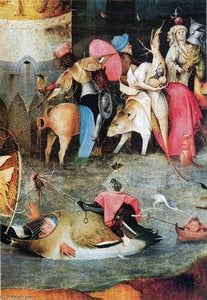
Hieronymus Bosch's "Beggars" depicts a haunting scene of poverty and despair with intricate pen & ink detail. Explore the unsettling symbolism and masterful technique of this Renaissance masterpiece.

Feeri̇k ve sembolik dünyasıyla Hieronymus Bosch (1450-1516), Rönesans'ın en gizemli sanatçılarından. 'Dünyevi Zevkler Bahçesi' gibi eserleriyle tanınan Bosch, dini temaları çarpıcı imgelerle yorumlayarak sanat tarihine damgasını vurmuştur.

Giclée / Sanat Baskısı

Hızlı üretim ve esnek bitiş seçenekleriyle müze kalitesinde giclée veya kanvas baskı.

P118B $10
P118H $10
P118W $10
P438Z $10
P508JH $12
P508YH $12
P805H $10
P805Z $10
P919BZ $10
P919G $10
P919XJ $10
P959ZH $10
P968JZ $12
W106C $8
W218G $10
W218JH $8
W218Y $10
W307PJ $10
W316G $10
W316PJ $8
W316Y $10
W398PJ $8
W4111J $10
W500HY $15
W500JH $15
W692G $12
W849H $8
W940BG $15
W953PJ $8

Standard
custom
CM
INCH

Eserin orijinal oranlarıyla uyumlu, önceden belirlenmiş boyutlarımız arasından seçim yapın.

genişlik
yükseklik

Belirli bir çerçeveye veya alana uyması için kendi ölçülerinizi girebilirsiniz. Seçtiğiniz boyut orijinal görüntünün oranlarıyla eşleşmiyorsa, sanat eserini kırpacağız veya görüntüyü aynalanmış ya da düz dolgulu bir kenarlıkla genişleteceğiz. Üretim başlamadan önce onayınız için bir dijital taslak gönderilecektir.
Lütfen ekrandaki önizlemenin gerçek kırpma veya genişletmeyi yansıtmadığını unutmayın. Nihai kompozisyonu yalnızca taslak doğru bir şekilde gösterecektir.
Özel boyutlar mevcut olsa da, orijinal oranları korumak için önceden tanımlanmış listeden bir boyut seçmenizi öneririz.

Dünya Çapında Teslimat (); standart 4/5 hafta yerine 2 haftada. (3 Temmuz)

why_choose_icon
Dünya Çapında Ücretsiz Ekspres Kargo
why_choose_icon
Yüksek Kaliteli Keten Tuval
why_choose_icon
Tam Kapsamlı Nakliye Sigortası
why_choose_icon
Gümrük Vergisi İade Garantisi
why_choose_icon
Gerçek Renk Uyumu Garantisi
why_choose_icon
60 Günlük İade Politikası (Sadece Kusurlu Ürünler İçin)
why_choose_icon
%100 Para İade Garantisi
why_choose_icon
Toplu Alım İndirimi

Toplam Fiyat

-

reproduction

Beggars

Giclée / Sanat Baskısı

Reproduksiyon Boyutu

-

Toplam Tutar

-

Hızlı Bilgiler

  • Movement: Renaissance
  • Title: Beggars
  • Dimensions: 285 x 205 cm
  • Artist: Hieronymus Bosch
  • Artistic style: Surrealism, Symbolism
  • Notable elements: Detailed hatching, Cross-hatching

Sanat Bilgisi Testi

Her soru için yalnızca bir doğru cevap bulunmaktadır.

Soru 1:
What is the primary subject matter depicted in Hieronymus Bosch’s ‘Beggars’?
Soru 2:
Which technique is MOST prominently used by Bosch in ‘Beggars’ to create shading and define forms?
Soru 3:
What is a characteristic feature of Hieronymus Bosch’s artistic style, as evident in ‘Beggars’?
Soru 4:
The monochromatic color palette in ‘Beggars’ contributes to which overall effect?
Soru 5:
Considering the historical context of Hieronymus Bosch’s work, what might ‘Beggars’ symbolize?

Eser Açıklaması

A Chronicle of Suffering: Unveiling Bosch’s “Beggars”

Hieronymus Bosch's "Beggars," a meticulously rendered pen and ink drawing, isn’t merely a depiction of poverty; it’s a profound meditation on human nature, steeped in the anxieties and moral complexities of late medieval Europe. Created around 1500, this work transcends its subject matter to become a haunting allegory, reflecting Bosch's signature blend of meticulous realism with fantastical and unsettling imagery—a visual vocabulary that continues to captivate and disturb centuries later. The drawing’s stark monochrome palette – shades of gray and white – immediately establishes an atmosphere of solemnity and unease, mirroring the hardship depicted within its crowded composition. It’s a scene not of simple charity, but of a deeper, more unsettling truth about societal structures and human vulnerability.

Bosch's genius lies in his ability to imbue everyday subjects with symbolic weight. The figures sprawled across the frame—beggars, crippled individuals, and those seemingly lost in contemplation—are not simply portraits of the destitute; they represent a broader critique of societal failings. The sheer density of the scene, achieved through overlapping forms and intricate hatching techniques, creates a claustrophobic effect, mirroring the feeling of entrapment experienced by these marginalized members of society. The lack of a clear focal point forces the viewer to confront the multitude of sorrows represented, demanding an active engagement with the artwork’s unsettling narrative.

The Language of Line: Technique and Craftsmanship

“Beggars” is a testament to Bosch's extraordinary technical skill. The work is dominated by fine, precise lines—a hallmark of his meticulous penmanship. Bosch masterfully employs hatching and cross-hatching techniques to build up tonal values and define the forms of the figures with remarkable detail. This painstaking process creates an illusion of texture and volume, giving a tangible quality to the seemingly frail bodies depicted. The varying pressure applied to the quill results in subtle shifts in tone, mimicking the play of light and shadow—a sophisticated technique that elevates the drawing beyond simple representation.

The choice of pen and paper is crucial to understanding the artwork’s character. The delicate lines evoke a sense of fragility and vulnerability, mirroring the plight of the subjects depicted. The stark contrast between the dark ink and the white paper creates an almost theatrical effect, emphasizing the figures' isolation and despair. It’s a deliberate choice that underscores the drawing’s emotional intensity.

Symbolism and the Shadowed World

As with much of Bosch’s oeuvre, “Beggars” is laden with symbolic meaning—though its precise interpretations remain open to debate. The figures themselves can be seen as representations of sin, temptation, or the consequences of moral decay. The presence of animals – a recurring motif in Bosch's work – adds another layer of complexity, suggesting a blurring of boundaries between humanity and the natural world. Some scholars have linked the scene to biblical narratives of judgment and punishment, while others interpret it as a commentary on the social injustices prevalent during Bosch’s time.

The overall effect is profoundly unsettling—a visual representation of human suffering and the potential for corruption within society. “Beggars” isn't simply a depiction of poverty; it’s an invitation to confront uncomfortable truths about ourselves and the world around us, a timeless reminder of the enduring challenges faced by those on the margins of society.

Benzer Eserler


Sanatçı Özgeçmişi

A Netherlandish Enigma: The Life and Art of Hieronymus Bosch

Hieronymus Bosch, born around 1450 in ’s-Hertogenbosch, Netherlands—then part of Brabant—remains one of art history’s most perplexing figures. His world pulsed with late medieval religious fervor, folklore, and a creeping unease about societal change – forces that fueled his extraordinary artistic imagination. Descended from a family steeped in painting tradition—his grandfather, Jan van Aken, and father, Anthonius van Aken—Bosch likely honed his skills within the family workshop, absorbing the conventions of Netherlandish art while simultaneously forging his own distinctive path. Biographical details are frustratingly sparse; records offer tantalizing glimpses but leave much to speculation, enhancing the artist’s aura of mystery. He married Aleyt Goyaerts van den Meerveen sometime before 1481, securing a degree of financial stability through her family's holdings—though little else is known about his personal life.

Fantastical Visions and Symbolic Depth

Bosch’s artistic style captivated audiences with its jarring juxtaposition of meticulous detail and hallucinatory imagery. Primarily working on oak panels using oil paint, he achieved luminous colors and intricate textures, surpassing the stylistic norms of his time. While early works mirrored traditional Netherlandish painting's realism, Bosch swiftly moved beyond mere imitation, developing a profoundly original vision rooted in medieval folklore and apocalyptic anxieties. His canvases aren’t simply representations; they are allegorical landscapes populated by bizarre creatures—grotesque demons, fantastical animals—and unsettling scenes that seem ripped from dreams. Religious themes dominate much of his oeuvre, but these are rarely straightforward depictions of biblical narratives. Instead, Bosch employed symbolism to explore complex moral and theological concepts, confronting viewers with the perils of sin, the allure of earthly pleasures, and the inevitability of divine judgment. His figures—human and monstrous alike—embodied vice, temptation, and spiritual corruption, creating a disconcerting effect that continues to resonate centuries later.

Masterpieces of Moral Allegory

Bosch’s most celebrated achievement is undoubtedly *The Garden of Earthly Delights* (c. 1490-1510)—a triptych that remains one of art history's most debated works. When unfolded, it presents a panoramic vision of paradise, earthly life, and hell—a complex allegorical representation of humanity’s fall from grace. The left panel depicts Eden, brimming with fantastical flora and fauna; the central panel portrays a hedonistic world consumed by sensual desire; and the right panel offers a terrifying glimpse into infernal torment. Alongside *The Garden*, *The Last Judgement Triptych* (c. 1480-1490) powerfully conveys both heavenly bliss and divine retribution, while *Ascent of the Blessed* (c. 1480-1490) captures ethereal beauty—a testament to Bosch’s mastery of oil paint and his ability to evoke profound psychological states. Smaller works like *Epiphany* (c. 1495) showcase his innovative technique and intricate symbolism, revealing a mind perpetually wrestling with existential questions about faith, morality, and human nature.

Influence and Legacy

Identifying Bosch’s direct influences is challenging due to the originality of his vision—though scholars suggest connections to medieval folklore, religious texts emphasizing apocalyptic themes, and societal anxieties surrounding heresy. Nevertheless, Bosch decisively surpassed stylistic conventions, establishing himself as a pioneer of Netherlandish painting and forging an artistic legacy that transcends time. His impact on subsequent artists is undeniable: Pieter Bruegel the Elder adopted similar thematic concerns and compositional approaches; Surrealist painters like Salvador Dalí and Max Ernst drew inspiration from Bosch’s dreamlike imagery and exploration of the subconscious. Even today, Bosch's unsettling visions continue to fascinate and provoke discussion—solidifying his place as a singular artist whose influence persists across artistic movements and generations. His paintings serve as invaluable windows into the intellectual and spiritual landscape of the late fifteenth and early sixteenth centuries, questioning established norms and paving the way for groundbreaking artistic expression. He died in 1516, leaving behind a body of work that continues to haunt and inspire—ensuring Bosch’s enduring status as one of art history's most unforgettable voices.
Jheronimus Bosch

Jheronimus Bosch

1450 - 1516 , Hollanda

Kısa Bilgiler

  • Artistic Movement Or Style: Surrealizm ve Sembolizm
  • Artists Or Movements Influenced By This Artist: ['Pieter Bruegel']
  • Date Of Birth: c. 1450
  • Date Of Death: 1516
  • Full Name: Hieronymus Bosch
  • Nationality: Hollandalı
  • Notable Artworks:
    • Dünyanın Bahçesi
    • Son Yargı Triptiği
    • Tanrısal Çıkış
  • Place Of Birth: Den Bosch, Netherlands
Temalara, stillere ve özelliklere göre düzenlenmiş sanat eserlerini keşfedin.