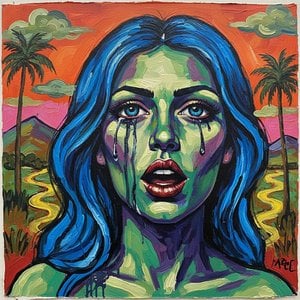
Henri Matisse: Renklerin Büyüsüyle Bir Yaşam
Henri Émile Benoît Matisse, 31 Aralık 1869’da Fransa'nın kuzeyindeki küçük Le Cateau-Cambrésis kasabasında doğduğunda, hayatının renk ve formla iç içe geçeceği bir kaderi taşıdığını kim bilebilirdi? Hukuk eğitimi almak için Paris'e giden genç Matisse, 1889’da apandisit rahatsızlığı geçirince hayatı beklenmedik bir yöne evrilecekti. İyileşme sürecinde annesi tarafından hediye edilen boya malzemeleriyle resim yapmaya başlaması, sadece bir zaman geçirme aktivitesi olmaktan öte, gerçek bir aydınlanma anıydı. Bohain-en-Vermandois’da tahıl tüccarı ailesinin oğlu olarak büyüyen Matisse, bohem sanatçı yaşamını benimsemesi pek mümkün görünmese de, o tohum atılmıştı; hastalığın getirdiği zorunlulukla beslenerek hayat boyu sürecek bir tutkuya dönüşmüştü. Akademi Julian ve daha sonra École Nationale des Beaux-Arts’da William-Adolphe Bouguereau ve Gustave Moreau gibi ustalardan dersler alarak klasik teknikleri özümsedi, ancak onu tanımlayacak olan kendine has sesi henüz bulamamıştı. Bu dönemdeki eserlerinde akademik eğitiminin izleri görülürdü; yetenekliydi fakat henüz kendi sesini keşfedememişti.
Fauvizm’in Doğuşu ve Cesur Deneyler
1896 yılında John Russell ile birlikte Belle Île'ye yaptığı seyahat, Matisse için bir dönüm noktası oldu. Russell sayesinde hem İzlenimciliğin canlı dünyasına adım attı, hem de Vincent van Gogh’un duygusal yüklü tuval eserleriyle tanıştı. Bu karşılaşmanın etkisi derindi. Van Gogh’un renkleri kullanma biçimi, Matisse'in daha önceki kısıtlı paletini parçaladı ve onu daha cesur, daha öznel bir yaklaşıma yöneltti. Toprak tonlarından uzaklaşarak, duyguyla yankılanan renkleri benimsemeye başladı. Bu keşif, 1905 civarında Fauvizm’in ortaya çıkışıyla doruğa ulaştı—Matisse'in öncü figürlerinden olduğu bir hareket. Harekete verilen “vahşi canavarlar” ismi aslında eleştirici bir yaklaşımdı ve Salon d'Automne'de sergilenen, şok edici derecede canlı ve doğal olmayan renklerle boyanmış eserlere yönelik bir tepkiydi. Matisse, André Derain ve Maurice de Vlaminck gibi sanatçılarla birlikte rengi bağımsız bir ifade unsuru olarak savunarak formları, etkisini güçlendirmek için basitleştirdi.
The Gourds (1905) gibi yapıtlar bu tarzı örneklendirir—geleneksel perspektifi ve taklitçi doğruluğu göz ardı eden kırmızıların, yeşillerin ve sarıların bir coşkusu. Bu akımın temel özellikleri arasında yoğun doygulu paletler, basitleştirilmiş şekiller, ifade edici fırça darbeleri ve geleneksel temsili reddederek duygusal yankıya öncelik verme yer alırdı.
İnce Ayarlar ve Süslemeci Uyum
Fauvizm’in ilk heyecanından sonra Matisse'in tarzı, ince fakat önemli bir evrim geçirdi. Rengini asla terk etmese de, çalışmaları daha süslemeci bir estetiğe doğru kaydı, düzleştirilmiş formları ve karmaşık desenleri vurguladı. Bohem yaşamın temalarını, iç mekanlardaki figürleri sakin ortamlarda ele alarak hem uyumlu hem de duygusal olarak yankı uyandıran kompozisyonlar yarattı. 1917'de Fransız Rivierası’ndaki Nice şehrine taşınması bu değişimi daha da etkiledi ve çalışmalarına dinginlik ve klasik denge getirdi. Bu dönemde seramikler ve tekstiller de dahil olmak üzere farklı tekniklerle deneyerek sanatsal vizyonunu geleneksel tuvalin ötesine taşıdı. Sadece sahneler tasvir etmekle kalmıyor, izleyiciyi belirli bir duygusal tepki uyandırmak için tasarlanmış ortamlar inşa ediyordu.
Son Yıllar: Kısıtlamalar Arasında Yenilik
Azalan sağlığı geleneksel yöntemlerle resim yapma yeteneğini kısıtladıkça Matisse, sanat yolculuğunda olağanüstü bir yeni bölüm açtı—kesilmiş kağıt kolajlar veya *découpages* yaratmak. 1947 civarında başlayan bu teknik, aslında bir gereklilikten doğdu. Tekerlekli sandalyeye mahkum olan Matisse artık ayakta durup resim yapamıyordu, ancak makaslarla kağıdı manipüle edebiliyordu. Pratik bir çözüm olarak başlayan şey, renk, form ve kompozisyon açısından hem dinamik hem de aldatıcı derecede basit kompozisyonlar yaratan çığır açan bir sanatsal teknik haline geldi. Bu *découpages* sadece resmin yerine geçmekle kalmıyor; aynı zamanda rengin, biçimin ve kompozisyonun düşünülme biçiminde yeni bir yolculuğu temsil ediyordu. Fiziksel sınırlamalarla karşı karşıya kalsa bile sanat görüşünü canlı tuttuğunu göstererek bu unsurları hayat boyu keşfetmeye devam etti.
- Kesilmiş kağıt tekniği, boyayla elde etmesi zor olan form ve renk saflığına ulaşmasını sağladı.
- Bu eserler genellikle daha önceki resimlerinden alınan temaları ve motifleri yansıtıyor ancak bunları taze ve yenilikçi bir şekilde sunuyordu.
- Sanatçı olarak kariyeri boyunca uyum sağlayabilme ve evrim geçirebilme yeteneğini gösterdi.
Süregelen Miras: Matisse'in Modern Sanattaki Etkisi
Henri Matisse, 1954 yılında Nice’de hayata veda ettiğinde geride, dünya çapında izleyicileri büyülemeye devam eden bir eser bıraktı. Sanat dünyası üzerindeki etkisi yadsınamaz; geleneksel temsiliyet kavramlarını sorguladı, rengin ifade gücünü savundu ve gelecek nesil sanatçılar için öncü oldu. Pablo Picasso ile birlikte 20. yüzyıl sanatının en etkileyici figürlerinden biri olarak kabul edilen Matisse, modernizmi kökten değiştirdi. Mirası eserlerinin ötesine geçerek neşe, güzellik ve rengin dönüştürücü potansiyeli kutlayan bir felsefeyi de kapsar. Sadece gördüğü gibi resim yapmakla kalmıyor; izleyici için duygusal bir deneyim yaratıyordu, onu ışık ve canlı renklerle dolu bir dünyanın vizyonunu paylaşmaya davet ediyordu.
Matisse'in etkisi çeşitli disiplinlerdeki sayısız eserde görülebilir, bu da onu modern sanatın gerçek bir ustası olarak pekiştirir—hayal gücü, uyum ve sınırsız olasılıklarla dolu bir dünya olarak gördüğü şeyi resmetmeye cesaret eden bir ressam.



 Önizle
 Baskı Satışına Geç
 Gönder
 Paylaş
 Detaylar
 Rehber

 Dosyayı İndir
 Benzerleri
 X-Işını
 Slayt Gösterisi
 İstatistikler
 Devamını Oku






































 Cam seçeneği yalnızca 110 cm altındaki boyutlar için mevcuttur.