Hans Holbein the Younger: Rönesansın İnce Detaylı Aynası
Hans Holbein the Younger, 1497/98’de Augsburg'da doğan ve 1543’te Londra’da hayatını kaybeden, Kuzey Rönesansı’nın en büyük portre sanatçılarından biri olarak kabul edilir. Babası Hans Holbein the Elder gibi yetenekli bir sanatçı ailesinden gelmesi, genç Hans’ın gözlem ve teknik konusunda titiz bir yaklaşımla büyümesine zemin hazırladı. Sanat eğitiminde sadece fırça darbeleri veya pigment karışımları öğrenmekten öte, *görmeyi*, sadece benzerliği değil, bir nesnenin özünü yakalamayı hedefleyen bir anlayış geliştirmesi sağladı. Holbein’ın sanatsal yolculuğu, babasının atölyesinde başladı ve onu önce İsviçre’ye, ardından İngiliz sarayının kalbine götürecek bir maceranın başlangıcı oldu.
Basel'den Tudor Sarayı'na: Yükselen Bir Yıldız
Sanatçı çıraklığını tamamladıktan sonra Holbein, Avrupa kıtasında geniş çapta seyahat etti ve hızla artan ünüyle tanınan bağımsız bir sanatçı olarak yer edindi. Özellikle Basel’de geçirdiği yıllar, hem çarpıcı portreler hem de dini eserler hem de karmaşık ahşap baskı tasarımları yaratmasıyla damgalandı – en önemlisi, ürkütücü *Ölüm Dansı* serisiyle. Bu ilk dönem eserleri, kompozisyon konusunda gelişen bir ustalık ve insan duygusunun karmaşıklıklarını yakalama konusundaki büyüyen bir ilgiyi ortaya koyuyor. 1526’da kaderin müdahalesiyle Holbein, İngiltere'ye doğru yöneldi; bu olay sanatsal yolculuğunu derinden etkileyecekti. Erasmus gibi ünlü bir insan bilimci tarafından verilen tavsiye mektubuyla İngiliz toplumunun etkili çevrelerine kapılar açıldı ve yeteneği kısa sürede Sir Thomas More gibi önde gelen figürlerin ilgisini çekti; bu da hem patronu hem de birkaç etkileyici portrenin öznesi haline geldi. Bu bağlantı, Holbein’ın 1536'da Kral VIII. Henry'nin saray ressamı olarak görevlendirilmesine yol açtı – ölümünden önce, bazı kesintilerle devam eden bir pozisyon.
Algının Sanatı: Stil ve Başyapıtlar
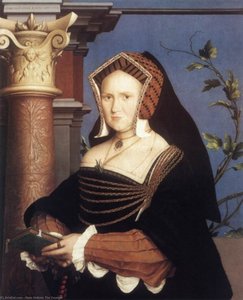
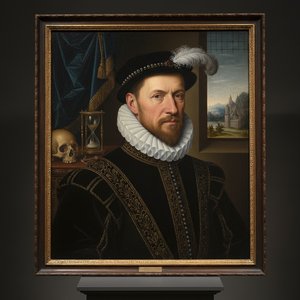
Holbein’ın sanatsal stili, dokuları, kumaşları ve yüz hatlarının ince nüanslarını tasvir etmede olağanüstü bir bağlılıkla karakterize edilen olağanüstü bir gerçekçilikle tanımlanır. Sadece portre *çizmek* yerine, katmanlar halinde titizlikle inşa etti; sadece fiziksel görünümleri değil, aynı zamanda oturucularının kişiliğini ve iç yaşamını da yakaladı. Yenilikçi kompozisyonları çalışmalarının etkisini daha da artırdı; genellikle daha derin anlamlar iletmek için sembolik nesneler veya arka planlar kullanıyordu. *Elçiler* (1533), bu yaklaşımın bir kanıtıdır – hem Holbein’ın teknik parlaklığını hem de entelektüel derinliğini sergileyen karmaşık ve sembolik olarak zengin bir çift portre. Tabloda gizlice yerleştirilmiş kafatası, izleyicilere ölümün kaçınılmazlığını hatırlatan çarpıcı bir *memento mori* görevi görüyor. Çok sayıda Henry VIII portresi, Tudor gücünün kalıcı bir imgesini oluştururken, Erasmus of Rotterdam’ın tasviri bilim insanının derin entelektüel ağırlığını yakalıyor. Diğer önemli eserler arasında 1528 tarihli çarpıcı *Nikolaus Kratzer Portresi* yer alıyor; bu da gerçekçilik ve bilimsel detayların bir başyapıtıdır.
Mirası ve Etkisi: Kalıcı Bir İzlenim
Holbein’ın sanatsal yolculuğu, Alman sanat geleneklerinin hassasiyeti ile Rönesans kompozisyon prensiplerinin birleşimiyle şekillenmiş çeşitli etkilerin bir sonucu olarak şekillendi. Albrecht Dürer ve diğer Alman ustaların çalışmalarına hayranlık duyarken aynı zamanda seyahatleri sırasında İtalyan sanatını da inceledi, tekniklerini özümsedi ve bunları kendi benzersiz tarzına entegre etti. Mirası derindir; Holbein’ın portreleri gerçekçilik ve psikolojik içgörü için yeni bir standart belirlemiş, onu takip eden nesiller boyunca sanatçıları etkilemiştir. Tudor döneminin kilit figürlerinin tasvirleri, İngiliz tarihini şekillendirenlerin yaşamlarına ve kişiliklerine paha biçilmez bakışlar sunar.
Sadece görünüşleri kaydetmedi - zamanın anlarını yakaladı ve onları sonsuzluğa taşıdı. Çalışmaları, sanatın geçmişi aydınlatma gücünün güçlü bir kanıtıdır.
Son Fırça Darbesi: Tarihi Önem
Hans Holbein the Younger, 1543’te Londra’da hayatını kaybetti ve yüzyıllar sonra izleyicileri büyülemeye devam eden bir eser bıraktı. Portreleri sadece güzel görüntülerden ibaret değildir; aynı zamanda tarihi belgelerdir, Tudor döneminin siyasi entrikalarına, dini çalkantılara ve kültürel değişimlere dair bakışlar sunarlar.
- Henry VIII'in tasvirleri kraliyet gücünün ikonik temsilleri haline geldi.
- Portreleri Erasmus ve More gibi önde gelen insan bilimcilerin yaşamlarına bir pencere açıyor.
- Sembol kullanımı, çalışmalarına daha derin temalarla düşünmeye davet eden katmanlar ekliyor.
Holbein’ın sanatı sadece teknik becerinin bir ifadesi değil; aynı zamanda entelektüel merak, sanatsal yenilik ve insan durumunun derinlemesine bir anlayışının vücut bulmuş halidir. Rönesans sanatçılarının en çok hayranlık duyulan ve incelenenlerinden biri olarak kalır - sonsuza dek ilham veren ve büyüleyen bir usta.



 Önizleme yap
 Baskı Moduna Geç
 Paylaş
 Paylaş
 Detayları Gör
 Rehber

 İndir
İndir
 Benzerlerini gör
 X-Işını
 Slayt Gösterisi
 İstatistikler
 Tümünü Gör






































 Cam seçeneği yalnızca 110 cm altındaki boyutlar için mevcuttur.






![Jean de Dinteville ve Georges de Selve'nin Çift Portresi (diğer adıyla Elçiler) [detay]](/media/artworks/images-thumb/42/81/42813dc49b2f72bce897aaf8b747ad5b.jpg)


