Önizleme yap AR ile önizle El yapımı tablo satın al Dijital Görsele Geç Paylaş
Detayları Gör Favorilere ekle İndir Benzerlerini gör X-Işını Slayt Gösterisi İstatistikler

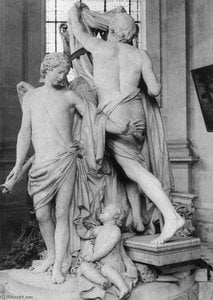
Luigi Dauphin

Güçlü bir klasik eser olan Luigi Dauphin heykeli Fransız sanatçı Guillaume II Coustou tarafından Sens Katedrali'nde bulunmaktadır. Bu etkileyici yapıtın tarihi ve anlamı hakkında daha fazla bilgi edinmek için ziyaret edin.

Guillaume Coustou II (1716-1777): French sculptor bridging Baroque & Neoclassical styles. Known for 'Horse Tamers' & the Monument to the Dauphin, his dramatic works influenced 18th-century art.

Giclée / Sanat Baskısı

Hızlı üretim ve esnek bitiş seçenekleriyle müze kalitesinde giclée veya kanvas baskı. ( El yapımı tablo satın al Dijital Görsele Geç)

P118B $10
P118H $10
P118W $10
P438Z $10
P508JH $12
P508YH $12
P805H $10
P805Z $10
P919BZ $10
P919G $10
P919XJ $10
P959ZH $10
P968JZ $12
W106C $8
W218G $10
W218JH $8
W218Y $10
W307PJ $10
W316G $10
W316PJ $8
W316Y $10
W398PJ $8
W4111J $10
W500HY $15
W500JH $15
W692G $12
W849H $8
W940BG $15
W953PJ $8

Standart
kişiye özel
CM
INCH

Eserin orijinal oranlarıyla uyumlu, önceden belirlenmiş boyutlarımız arasından seçim yapın.

genişlik
yükseklik

Belirli bir çerçeveye veya alana uyması için kendi ölçülerinizi girebilirsiniz. Seçtiğiniz boyut orijinal görüntünün oranlarıyla eşleşmiyorsa, sanat eserini kırpacağız veya görüntüyü aynalanmış ya da düz dolgulu bir kenarlıkla genişleteceğiz. Üretim başlamadan önce onayınız için bir dijital taslak gönderilecektir.
Lütfen ekrandaki önizlemenin gerçek kırpma veya genişletmeyi yansıtmadığını unutmayın. Nihai kompozisyonu yalnızca taslak doğru bir şekilde gösterecektir.
Özel boyutlar mevcut olsa da, orijinal oranları korumak için önceden tanımlanmış listeden bir boyut seçmenizi öneririz.

Dünya Çapında Teslimat (); standart 4/5 hafta yerine 2 haftada. (18 Eylül)

why_choose_icon
Dünya Çapında Ücretsiz Ekspres Kargo
why_choose_icon
Yüksek Kaliteli Keten Tuval
why_choose_icon
Tam Kapsamlı Nakliye Sigortası
why_choose_icon
Gümrük Vergisi İade Garantisi
why_choose_icon
Gerçek Renk Uyumu Garantisi
why_choose_icon
100 Günlük İade Politikası (Sadece Kusurlu Ürünler İçin)
why_choose_icon
%100 Para İade Garantisi
why_choose_icon
Toplu Alım İndirimi

Toplam Fiyat

$ 68

reproduction

Luigi Dauphin

Giclée / Sanat Baskısı

Reproduksiyon Boyutu

-

Toplam Tutar

$ 68

Hızlı Bilgiler

  • Movement: Neoclassicism
  • Medium: Marble
  • Influences: Classical Sculpture
  • Subject or theme: Honor to the Dauphin
  • Notable elements or techniques: Allegorical figures, Catafalque
  • Location: Cathedral of Sens
  • Title: Monument to the Dauphin

Sanat Bilgisi Testi

Her soru için yalnızca bir doğru cevap bulunmaktadır.

Soru 1:
What is the title of this sculpture?
Soru 2:
Who created this artwork?
Soru 3:
In what cathedral is the sculpture located?
Soru 4:
What artistic style does this monument exemplify?
Soru 5:
What is a notable characteristic of the sculpture's design, distinguishing it from other tombs of its time?

Monument to the Dauphin: A Reflection of Neoclassical Sentiment

The Monument to the Dauphin by Guillaume II Coustou stands as a poignant emblem of French sculpture during the reign of Louis XV, embodying both artistic innovation and profound emotional resonance. Completed in 1777 for the Cathedral of Sens, this monumental marble sculpture transcends mere commemoration; it’s an exploration of grief, faith, and the idealized vision of classical beauty that defined the neoclassical movement.

  • Historical Context: Commissioned to honor Louis XV's son, who tragically perished young, the monument arose from a period marked by intellectual fervor and artistic revival. The neoclassicism championed by artists like Jacques-Germain Durande and Jean-François Raspail sought inspiration in ancient Greece and Rome, rejecting the ornate excesses of Baroque art.
  • Sculptural Style: Coustou’s approach distinguishes itself from its predecessors through a deliberate absence of portraiture—a conscious decision to forgo depicting the deceased Dauphin directly. Instead, he opted for allegorical figures representing Time and Conjugal Love, skillfully crafted in polished marble to convey solemn dignity.
  • Technique: Coustou’s mastery is evident in the meticulous execution of drapery folds and anatomical precision—characteristics typical of neoclassical sculpture. The sculptor utilized a combination of carving techniques, including Buon Fresco (indirect painting) and polishing, resulting in surfaces that shimmer with subtle luminescence.
  • Symbolism: The central urn symbolizes mortality and remembrance, serving as a focal point for contemplation on the ephemeral nature of life. Time’s outstretched hand represents the relentless passage of time, while Conjugal Love embodies compassion and devotion—themes reflecting the humanist values prevalent during Louis XV's era.
  • Emotional Impact: Viewing the Monument to the Dauphin evokes feelings of melancholy and reverence. Its serene composition invites viewers to contemplate themes of loss, faith, and the enduring beauty of classical ideals – a testament to Coustou’s ability to capture complex emotions within a timeless form.

The monument's placement within Sens Cathedral underscores its significance as a devotional artwork. Its grandeur speaks to the aspirations of French art during a time of considerable artistic experimentation, cementing Coustou’s legacy as one of the foremost sculptors of his generation and securing his place in the annals of neoclassical history.

  • Further Exploration: Interested in acquiring a high-quality reproduction of this masterpiece? Visit WahooArt.com to explore our curated collection of artistic reproductions.

References:

  • Monument to the Dauphin by COUSTOU, Guillaume II - Web Gallery of Art
  • Guillaume Coustou the Younger - Wikipedia

Sanatçı Özgeçmişi

Guillaume II Coustou: Life and Legacy

Early Life and Training

  • Guillaume Coustou II was born in Paris, France, in 1716. He came from a distinguished family of sculptors – the son of Guillaume Coustou I and nephew of Nicolas Coustou.
  • His artistic training began within the family atelier, benefiting directly from the expertise of his father and uncle. This familial foundation instilled in him a strong understanding of sculptural techniques and traditions.
  • In 1736, he won the prestigious Prix de Rome, granting him the opportunity to study at the French Academy in Rome until 1739. This period was crucial for his artistic development, exposing him to classical sculpture and Italian Baroque styles.

Artistic Development and Style

  • Upon returning to Paris, Coustou seamlessly continued his father’s work, most notably completing the monumental Horse Tamers (Chevaux de Marly), a commission initially undertaken by Guillaume I but left unfinished due to illness.
  • His style evolved throughout his career, demonstrating a transition from the late Baroque exuberance of his early works to the more restrained and emotionally evocative forms of emerging Neoclassicism.
  • He skillfully blended dramatic narrative with classical ideals, creating sculptures that were both visually impressive and intellectually engaging.

Major Achievements and Notable Works

  • Horse Tamers (Chevaux de Marly): Perhaps his most famous achievement, these dynamic bronze sculptures depict horsemen controlling powerful steeds, embodying strength and mastery.
  • Monument to the Dauphin: This elaborate sculptural ensemble for Sens Cathedral was a significant commission that showcased Coustou’s ability to handle complex iconography and large-scale projects. The design's detailed imagery was developed in collaboration with Charles-Nicolas Cochin.
  • Vulcan: His morceau de réception (admission piece) for the Académie Royale de Peinture et de Sculpture, a seated Vulcan, exemplifies his Baroque sensibilities.
  • Ganymede: This sculpture demonstrates Coustou’s embrace of early Neoclassical aesthetics, drawing inspiration from Roman sculptures like those of Antinous.

Influences and Legacy

  • Coustou was profoundly influenced by his father and uncle, inheriting their technical skill and artistic sensibility. His time in Rome exposed him to the works of classical sculptors and Italian Baroque masters.
  • He, in turn, influenced a generation of younger sculptors, including Claude Dejoux, Pierre Julien, and the Danish sculptor Johannes Widewelt, who studied under him.
  • His work represents an important bridge between the Baroque and Neoclassical periods in French sculpture, contributing to the evolving artistic landscape of 18th-century Europe.

Historical Significance

  • Guillaume II Coustou played a vital role in shaping the aesthetic direction of French sculpture during a period of significant artistic change.
  • His ability to adapt his style and embrace new influences allowed him to maintain a successful career under different patronage systems.
  • His sculptures continue to be admired for their technical virtuosity, dramatic power, and historical significance, solidifying his place as a notable figure in the history of French art.
guillaume ii coustou

guillaume ii coustou

1716 - 1777 , France

Kısa Bilgiler

  • Birth Date: 1716
  • Birth Place: Paris, France
  • Death Date: 1777
  • Influenced By:
    • Guillaume Coustou I
    • Nicolas Coustou
  • Movement:
    • Baroque
    • Neoclassicism
  • Name: Guillaume II Coustou
  • Nationality: French
  • Notable Works:
    • Horse Tamers (Chevaux de Marly)
    • Monument to the Dauphin
    • Vulcan
    • Ganymede
Temalara, stillere ve özelliklere göre düzenlenmiş sanat eserlerini keşfedin.