Önizle AR ile önizle El Yapımı Tablo Satın Al Dijital Görsel Satışına Geç Gönder
Detaylar Rehber Favorilere ekle Dosyayı İndir Benzerleri X-Işını Slayt Gösterisi Q&A İstatistikler

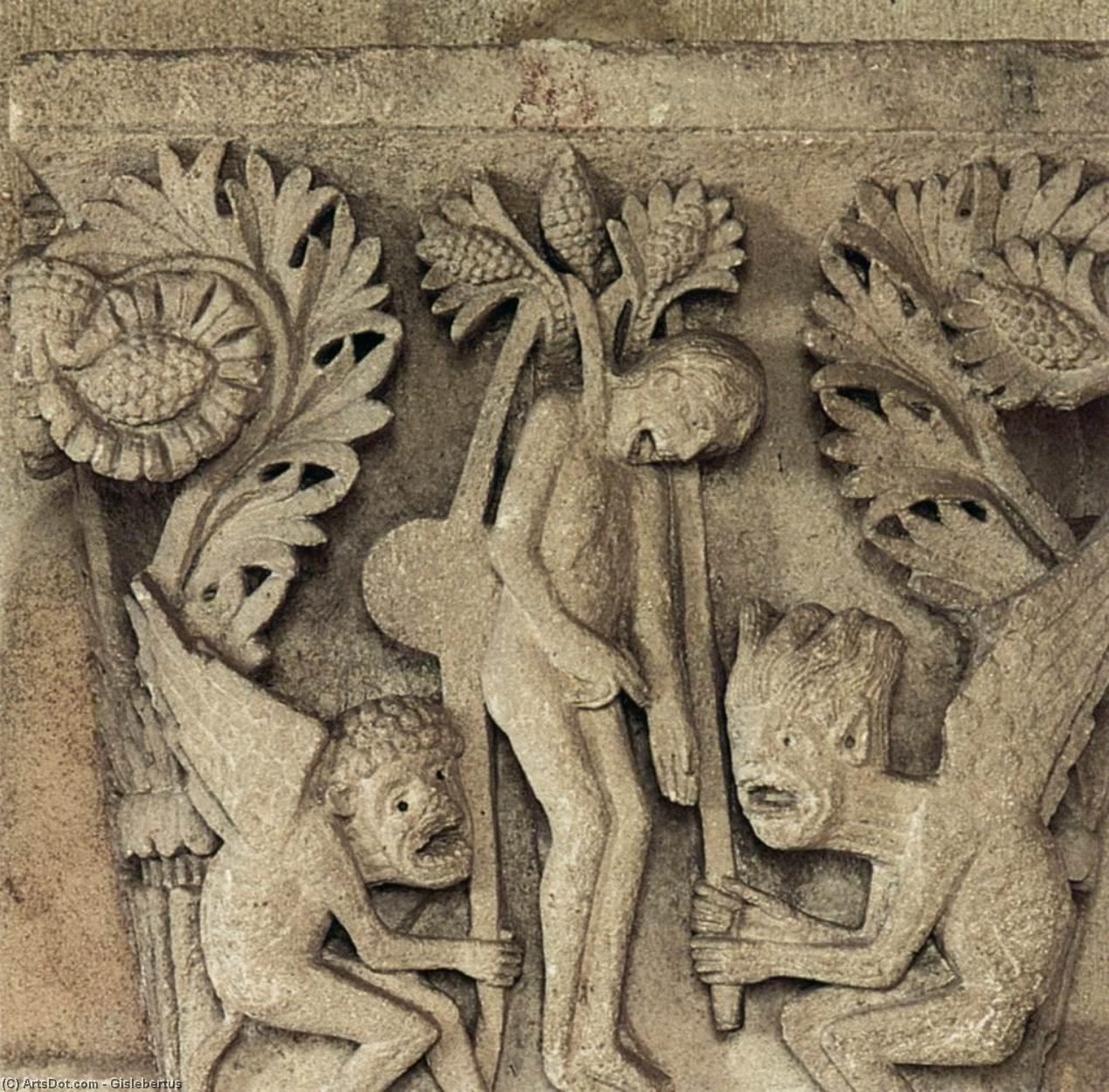
Judas' Ölümü

Gislebertus tarafından Autun Katedrali'nin ana portalında tasarlanan Judas' Ölümü eserinde İsa Betçeliği korkusu ve kötülüğün öfkesi yoğun bir şekilde anlatılmıştır. İki şeytan figürü Judas'ın kendini asmasına yardım eder.

Discover Gislebertus: French Romanesque sculptor of Autun Cathedral's stunning tympanums & Eve sculpture. Explore his biblical themes & influence on Gothic art.

Giclée / Sanat Baskısı

Hızlı üretim ve esnek bitiş seçenekleriyle müze kalitesinde giclée veya kanvas baskı. ( El Yapımı Tablo Satın Al Dijital Görsel Satışına Geç)

Corner sample of the P118B picture frame: kalıplanmış polistiren, 5 cm wide and 3 cm thick
P118B ₺10
Corner sample of the P118H picture frame: kalıplanmış polistiren, 5 cm wide and 3 cm thick
P118H ₺10
Corner sample of the P118W picture frame: kalıplanmış polistiren, 5 cm wide and 3 cm thick
P118W ₺10
Corner sample of the P438Z picture frame: kalıplanmış polistiren, 5.5 cm wide and 3.5 cm thick
P438Z ₺10
Corner sample of the P508JH picture frame: kalıplanmış polistiren, 7 cm wide and 3.5 cm thick
P508JH ₺12
Corner sample of the P508YH picture frame: kalıplanmış polistiren, 7 cm wide and 3.5 cm thick
P508YH ₺12
Corner sample of the P805H picture frame: kalıplanmış polistiren, 5 cm wide and 3.5 cm thick
P805H ₺10
Corner sample of the P805Z picture frame: kalıplanmış polistiren, 5 cm wide and 3.5 cm thick
P805Z ₺10
Corner sample of the P919BZ picture frame: kalıplanmış polistiren, 7 cm wide and 3.5 cm thick
P919BZ ₺10
Corner sample of the P919G picture frame: kalıplanmış polistiren, 7 cm wide and 3.5 cm thick
P919G ₺10
Corner sample of the P919XJ picture frame: kalıplanmış polistiren, 7 cm wide and 3.5 cm thick
P919XJ ₺10
Corner sample of the P959ZH picture frame: kalıplanmış polistiren, 5 cm wide and 3 cm thick
P959ZH ₺10
Corner sample of the P968JZ picture frame: kalıplanmış polistiren, 6 cm wide and 4 cm thick
P968JZ ₺12
Corner sample of the W106C picture frame: masif ahşap, 5 cm wide and 3 cm thick
W106C ₺8
Corner sample of the W218G picture frame: masif ahşap, 5 cm wide and 3 cm thick
W218G ₺10
Corner sample of the W218JH picture frame: masif ahşap, 5 cm wide and 3 cm thick
W218JH ₺8
Corner sample of the W218Y picture frame: masif ahşap, 5 cm wide and 3 cm thick
W218Y ₺10
Corner sample of the W307PJ picture frame: masif ahşap, 6 cm wide and 3 cm thick
W307PJ ₺10
Corner sample of the W316G picture frame: masif ahşap, 6 cm wide and 3 cm thick
W316G ₺10
Corner sample of the W316PJ picture frame: masif ahşap, 6 cm wide and 3 cm thick
W316PJ ₺8
Corner sample of the W316Y picture frame: masif ahşap, 6 cm wide and 3 cm thick
W316Y ₺10
Corner sample of the W398PJ picture frame: masif ahşap, 5 cm wide and 3 cm thick
W398PJ ₺8
Corner sample of the W4111J picture frame: masif ahşap, 6.5 cm wide and 3.5 cm thick
W4111J ₺10
Corner sample of the W500HY picture frame: masif ahşap, 7 cm wide and 5 cm thick
W500HY ₺15
Corner sample of the W500JH picture frame: masif ahşap, 7 cm wide and 5 cm thick
W500JH ₺15
Corner sample of the W692G picture frame: masif ahşap, 8 cm wide and 4 cm thick
W692G ₺12
Corner sample of the W849H picture frame: masif ahşap, 5 cm wide and 3 cm thick
W849H ₺8
Corner sample of the W940BG picture frame: masif ahşap, 7.5 cm wide and 4.5 cm thick
W940BG ₺15
Corner sample of the W953PJ picture frame: masif ahşap, 6 cm wide and 3.5 cm thick
W953PJ ₺8

Standart Boyutlar
özel boyutlu
CM
INCH

Eserin orijinal oranlarıyla uyumlu, önceden belirlenmiş boyutlarımız arasından seçim yapın.

genişlik
yükseklik

Çerçevenize veya duvarınıza uygun olması için ihtiyacınız olan genişlik ve yüksekliği yazın. Bir baskı yalnızca kesilebilir, görselden daha büyük hale getirilemez; bu nedenle farklı bir formdaki boyut seçimi, görselin bir kısmının kaybına neden olur. Herhangi bir baskı yapmadan önce onaylamanız için size bir dijital taslak gönderiyoruz. Bu sayfada gösterilen resim gerçek kesimi göstermez — bunu yalnızca taslak gösterir.

Dünya Çapında Teslimat (); standart 4/5 hafta yerine 2 haftada. (30 Ekim)

Dünya Çapında Ücretsiz Ekspres Kargo
Yüksek Kaliteli Keten Tuval
Tam Nakliye Sigortası
Gümrük Vergisi İadesi Garantisi
Gerçek Renk Uyumu Garantisi
100 Günlük İade Koşulları (Sadece Üretim Hatalı Ürünler İçin)
%100 Para İade Garantisi
Toplu Alım Avantajı

Toplam Fiyat

₺ 3340

Judas' Ölümü

Giclée / Sanat Baskısı

Baskı Boyutu

-

Toplam Fiyat

₺ 3340

Kısa Bilgiler

  • Notable elements or teknikleri: İki şeytan figürü Judas'ın kendini asmasına yardım ediyor.
  • Medium: Tahta
  • Year: 1120
  • Artist: Gislebertus
  • Artistic style: Drama ve yoğunluk duygusu
  • Location: Saint Lazare Katedralesi, Autun

Sanat Bilgisi Testi

Her soru için yalnızca bir doğru cevap bulunmaktadır.

Soru 1:
Gislebertus hangi katedrale ait önemli bir eserdir?
Soru 2:
Eserin temel amacı nedir?
Soru 3:
Eserde Judas'ın kendini asması sahnesi hangi dini hikayeden alınmıştır?
Soru 4:
Eserde Judas'ın kendini asmasına yardım eden figürler nelerdir?
Soru 5:
Gislebertus eserinde kullanılan teknik nedir?

Gislebertus’s Dramatic Depiction of Judas' Suicide: A Testament to Romanesque Artistic Vision

The sculpture “Suicide of Judas,” created around 1120 by Gislebertus, stands as a cornerstone of Romanesque art and embodies the profound spiritual anxieties of its time. Located within the Sainte-Lazare Cathedral in Autun, France—a cathedral itself representing an ambitious undertaking to express Christian faith—this monumental tympanum panel transcends mere representation; it’s a visceral portrayal of betrayal and despair rendered with unparalleled skill.

  • Artist & Context: Gislebertus (c. 1120-1135) emerged from the influential Cluny Abbey, where he honed his craft amidst a fervent devotion to biblical narratives. The cathedral’s construction coincided with a period of intense religious fervor and papal patronage, reflecting the broader cultural landscape of Burgundy.
  • Material & Technique: Executed in limestone—a favored material for monumental sculpture—the panel showcases Gislebertus' mastery of carving techniques characteristic of Romanesque style. The sculptor skillfully employed drapery folds to convey movement and emotion, capturing the agonizing posture of Judas as he hangs from a tree.
  • Composition & Symbolism: The artwork’s triangular composition is deliberately balanced, mirroring the theological concept of the Trinity. Two demonic figures flank Judas, symbolizing temptation and evil—a direct reference to Genesis 3—further emphasizing the gravity of his transgression against God. The anguished expression on Judas' face communicates profound sorrow and regret.
  • Emotional Impact: Gislebertus’s sculpture isn’t merely a depiction of an event; it’s an emotional experience for the viewer. The artist confronts the audience with the horror of betrayal, conveying the devastating consequences of succumbing to sin. It serves as a powerful reminder of humanity's vulnerability before divine judgment.

The original capitals were removed and are on display in the Musée Rolin near to the Cathedral. In contrast to the Flight into Egypt, the suicide by hanging of Judas is a scene of anger and terror of evil, which Gislebertus depicted in the tympanum with just as much vividness as the more positive emotions of mankind.

Today, reproductions of “Suicide of Judas” offer art enthusiasts and interior designers alike an opportunity to appreciate the enduring legacy of Romanesque artistry. Its dramatic intensity and masterful execution continue to inspire awe and contemplation—a testament to Gislebertus’s genius and the cathedral's ambition to communicate faith through visual storytelling.

Soru ve Cevaplar

"Judas' Ölümü" eserinin formatı nedir?

"Judas' Ölümü" eserinin formatı Kare şeklindedir. Bu bilgi, bir reprodüksiyonun nereye yerleştirileceğini planlarken faydalıdır.

Gislebertus imzalı "Judas' Ölümü" eserinin dijital dosyasını nasıl temin edebilirim?

Gislebertus imzalı "Judas' Ölümü" eserinin dijital görüntüsünü Dijital Görsel sayfasından satın alabilirsiniz: yüksek çözünürlüklü dijital görüntü indirme.

Gislebertus imzalı "Judas' Ölümü" eserinin baskın rengi nedir?

Gislebertus imzalı "Judas' Ölümü" eserinin baskın rengi Gül Kahverengi (#b7a788)'dır.


Sanatçı Biyografisi

Gislebertus: The Sculptor of Autun Cathedral’s Divine Vision

Gislebertus, a name etched in stone and whispered through the centuries, stands as one of the most remarkable figures of Romanesque sculpture. Specifically celebrated for his profound contribution to Saint Lazare Cathedral in Autym, France, he emerged from the fertile artistic landscape of Burgundy during a period profoundly shaped by religious fervor and burgeoning architectural ambition. Born sometime around 1120, Gislebertus lived through an era where art served as the primary language of the faithful. While biographical details remain scarce, scholars believe he was trained at Cluny Abbey, arguably the epicenter of European monastic art and intellectual life at the time. This formative experience instilled in him a deep understanding of biblical narratives and imbued his work with an unwavering devotion to Christian themes.

His initial role at Cluny involved assisting the master sculptor, cementing his position within a tradition prioritizing didactic storytelling—conveying moral lessons through visual representation. The cathedral’s ambitious project demanded exceptional skill, and Gislebertus quickly established himself as a pivotal talent. Recognizing the importance of providing solace to pilgrims afflicted with leprosy—a prevalent ailment during the 12th century—the Abbey envisioned Saint Lazare as more than just a place of worship; it was intended as a sanctuary for the marginalized. This vision profoundly impacted Gislebertus’ artistic sensibilities, prompting him to create reliefs that resonated with compassion and hope, featuring imagery designed to uplift those facing immense suffering.

Mastery of Emotion and Narrative Relief

The true genius of Gislebertus lies in his ability to translate complex theological concepts into visceral, physical forms. His work at Autun is characterized by a dramatic use of line and shadow that breathes life into the cold stone. In masterpieces such as the Suicide of Judas, created around 1120-30, he captures the raw horror and despair associated with treason. Through the depiction of hanging figures and menacing demonic entities, Gisleberus showcases an exceptional skill in capturing human psychological torment, a hallmark of the Romanesque style that pushes the boundaries of medieval expression.

Beyond the scenes of tragedy, his work also celebrates the spiritual journey of the faithful. In his Pilgrims relief, one can observe a powerful depiction of devotion, where strong lines and dramatic shadows emphasize the physical and spiritual weight of the pilgrimage. This ability to oscillate between the terrifying aspects of divine judgment and the quiet strength of religious perseverance makes his oeuvre uniquely captivating. His sculptures do not merely decorate a building; they act as a window into the medieval soul, inviting the viewer to contemplate the eternal struggle between good and evil.

Legacy and Historical Significance

The artistic development of Gislebertus represents a crucial bridge in the evolution of European art. While his roots are firmly planted in the Romanesque tradition of Cluny, his expressive power and narrative complexity hint at the burgeoning naturalism that would later define Gothic art. His work on the Dream of the Magi further demonstrates this sophisticated approach to storytelling, blending historical reverence with a sense of wonder.

The enduring significance of Gislebertus can be summarized through several key contributions:

  • Narrative Innovation: He transformed architectural elements like tympanums into complex, readable storybooks for the illiterate masses.
  • Emotional Depth: He moved beyond static iconography to introduce psychological depth and human emotion into stone sculpture.
  • Cluniac Influence: He carried the high intellectual and spiritual standards of Cluny Abbey into the public sphere of cathedral architecture.
  • Architectural Integration: His ability to harmonize intricate sculptural detail with the massive, heavy forms of Romanesque architecture remains a pinnacle of medieval craftsmanship.

Today, the works of Gislebertus remain some of the most studied and revered examples of 12th-century art. He remains a master whose hands, though long since returned to dust, continue to speak through the enduring stone of Autun, reminding us of a time when art was the ultimate vessel for the divine.

Gislebertus

Gislebertus

1120 - 1135 , France

Kısa Bilgiler

  • Full Name: Gislebertus
  • Nationality: French
  • Date Of Birth: 1120
  • Date Of Death: 1135
  • Place Of Birth: France
  • Notable Artworks:
    • Pilgrims
    • Last Judgment (detail)
    • Dream of the Magi
  • Artistic Movement Or Style: Romanesque Sculpture
  • Artists Who Influenced This Artist: ['Cluny School']
  • Artists Or Movements Influenced By This Artist: ['Gothic Style']
Temalara, stillere ve özelliklere göre gruplandırılmış sanat eserlerini keşfedin.