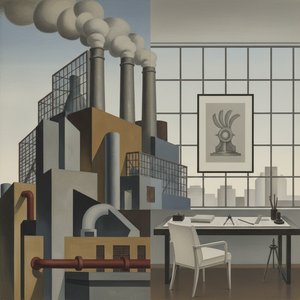
Gerd Utescher tarafından yapılan Elevators, usta bir sanatçı tarafından el ile boyanmış yağlı boya reprodüksiyon
Gerçek Boyutta Önizle AR ile önizle Baskı Satışına Geç Dijital Görsele Geç Paylaş
Detayları Gör Rehber Favorilere ekle İndir Benzer ürünler X-Işını Slayt Gösterisi Soru & Cevap Sunumu İndir İstatistikler

Elevators El boyaması yağlı boya reprodüksiyon

Explore the abstract figure paintings & sculptures of Gerd Utescher (1912-1983), a German artist known for his evocative works from the Weimar era.

Bu sayfada sergilenen eser telif hakkı yasasıyla korunmaktadır; bu da yasal olarak eserin birebir kopyasını oluşturamayacağımız veya satamayacağımız anlamına gelir. Bu koruma, aşağıdakiler gibi uluslararası anlaşmalar kapsamında uygulanmaktadır: Bern Sözleşmesi ve aşağıdakiler de dahil olmak üzere ulusal yasalarca belirlenen ABD Telif Hakkı Kanunu - 17. Başlık.

Saygılı ve yasal bir alternatif olarak, orijinalinden ilham alan, kişiye özel, el boyaması sanat eserleri sunuyoruz. Deneyimli ve profesyonel sanatçılarımız, aynı duyguyu uyandıran yeni ve benzersiz bir eser yaratmak için orijinalin stilini, ruhunu ve sanatsal özünü titizlikle inceler; üstelik bu eser, kendi başına özgün bir üretim olarak kalır.

Bu yöntem, koruma altındaki sanat eserinin kopyalanmasını veya çoğaltılmasını içermediği için telif hakkı düzenlemelerine tam uyum sağlar. Bunun yerine, yaratıcı bir yeniden yorumlamadır; orijinalinden etkilenen ancak onunla aynı olmayan yeni bir tablodur.

El Yapımı Yağlı Boya Reproduksiyon

Sanatçılarımız tarafından sipariş üzerine hazırlanan; istediğiniz boyut ve çerçevede, tuval üzerine el boyaması yağlı boya. ( Baskı Satışına Geç Dijital Görsele Geç)


Standart
özel boyutlu
CM
INCH

Eserin orijinal oranlarıyla uyumlu, önceden belirlenmiş boyutlarımız arasından seçim yapın.

genişlik
yükseklik

Çerçevenize veya duvarınıza uygun olması için ihtiyacınız olan genişlik ve yüksekliği yazın. Bu eser el boyamasıdır; bu nedenle farklı bir formdaki boyutlar için sanatçı, resmin etrafına biraz daha fazla boya ekleyebilir veya kenarlardan biraz kırpabilir — seçim sizin. Boyama işlemi başlamadan önce onaylamanız için size bir dijital taslak gönderiyoruz. Bu sayfada gösterilen resim gerçek sonucu yansıtmamaktadır; gerçek sonucu yalnızca taslak göstermektedir.

Değiştirilebilecek örneklere dair: Yüzün müşteri fotoğrafıyla değiştirilmesi; Evcil hayvan eklenmesi (örneğin kedinin köpek ile değiştirilmesi); Arka plana gizli bir mesaj dahil edilmesi; Arka plan manzarasının veya öğelerinin değiştirilmesi.
Siparişten sonra, WahooArt.com ekibi talimatlar için müşteriye e-posta gönderecek ve bir taslak önizleme sunacaktır

Dünya Çapında Teslimat (); standart 5 hafta yerine 3/4 haftada. (19 Kasım). Kaliteden ödün verilmez.

Dünya Çapında Ücretsiz Ekspres Kargo
Yüksek Kaliteli Keten Kanvas
Tam Nakliye Sigortası
Gümrük Vergisi İadesi Garantisi
Gerçek Renk Uyumu Garantisi
100 Günlük İade Politikası (Sadece Kusurlu Ürünler İçin)
%100 Para İade Garantisi
Toplu Alım İndirimi

Toplam Tutar

₺ 13502

Elevators

Reproduksiyon Tekniği

Reproduksiyon Boyutu

-

Toplam Tutar

₺ 13502

Gerd Utescher grew up in Germany during the Weimar era and studied drawing, graphics, and sculpture at Berlin’s Academy of Fine Arts. Upon his graduation in 1937, he designed and created interior architectural decorative elements and worked as an illustrator and stage designer. After moving to the United States in 1950, Utescher taught at the Philadelphia Museum of Art, the Pennsylvania Academy of the Fine Arts, the Settlement Music School, and the Allen’s Lane Art Center.During the 1960s Utescher received a number of commissions for public sculptural works in Philadelphia; by 1970 he began work on his People in Cities series, which included a group of evocative sculptures cast in bronze that focused on figures in claustrophobic architectural environments. Elevators is one of a number of elevator sculptures in the People in Cities series that Utescher executed while living in Italy with his new wife.

Soru ve Cevaplar

Gerd Utescher imzalı "Elevators" hangi doygunluk ve yoğunluğu sergiliyor?

"Elevators" eserinin renk doygunluğu Muted, renk yoğunluğu ise Monochromatic düzeyindedir.

Gerd Utescher imzalı "Elevators" eserinde hakim olan temel renk tonu nedir?

"Elevators", Amber to Saffron tonlarını andıran bir yapıdadır.

"Elevators" benzeri eserler var mı?

Gerd Utescher imzalı "Elevators" eserine benzer çalışmalar, eserin Benzer Eserler sayfasında bir araya getirilmiştir.


Sanatçı Özgeçmişi

Gerd Utescher: Sculptor of the Weimar and Beyond

Born in Schwerin, Germany, in 1912, Gerd Utescher’s life was a testament to resilience and artistic evolution shaped by the tumultuous backdrop of the early 20th century. His childhood in Berlin during the Weimar Republic instilled within him a deep appreciation for both the dynamism and the anxieties of a nation grappling with profound social and political change. Initially drawn to law, Utescher’s path shifted dramatically when he discovered his true calling: the visual arts. He enrolled at the prestigious Berlin Academy of Fine Arts, where he honed his skills in drawing, graphics, and sculpture – disciplines that would ultimately define his unique artistic voice.

Utescher's early work was characterized by a fascination with the human figure, particularly its capacity for both strength and vulnerability. He quickly established himself as a sculptor of striking originality, moving beyond traditional representations to explore abstract forms imbued with emotional resonance. His figures weren’t merely static depictions; they were dynamic expressions of inner turmoil, reflecting the psychological landscape of his era. This exploration of the human condition became a central theme throughout his career.

The Influence of Weimar and Early Career

The artistic climate of the Weimar Republic profoundly influenced Utescher's development. The period’s experimental spirit, its embrace of abstraction, and its critical engagement with societal norms provided fertile ground for his creative explorations. He absorbed the ideas of Expressionism and early Abstraction, but ultimately forged a distinct style that combined powerful sculptural forms with evocative figuration. His work during this time often carried a sense of unease and introspection, mirroring the social unrest and uncertainty prevalent in Germany at the time.

Following World War II, Utescher’s career took an international turn. He married Ellen Rhret, whom he had met in Paris before the war, and in 1959, he settled permanently in Philadelphia, Pennsylvania. This move marked a significant shift, not only geographically but also stylistically. While retaining his core themes of human emotion and psychological depth, Utescher’s work began to incorporate elements of American Modernism, reflecting the influences of the vibrant art scene in Philadelphia.

Sculptural Innovation and Public Commissions

Utescher's sculptural practice was distinguished by a masterful command of materials – primarily bronze. He possessed an exceptional ability to capture movement and emotion within his static forms, utilizing subtle shifts in texture and surface detail to create a sense of dynamism. His figures often appear caught in moments of intense feeling, conveying a powerful narrative without resorting to overt symbolism.

Throughout his career, Utescher received numerous public commissions, demonstrating the recognition of his work’s enduring quality and its ability to resonate with audiences. Perhaps his most notable achievement was the creation of the Freedom Fountain near City Hall in Philadelphia – a monumental sculpture that stands as a testament to his skill and artistic vision. Other significant works include various memorials and public art installations across Pennsylvania, solidifying his place as a prominent figure in American sculpture.

A Legacy of Emotional Sculpture

Gerd Utescher’s career spanned seven decades, during which he consistently pushed the boundaries of sculptural expression. His work is characterized by its raw emotional intensity, its exploration of the human psyche, and its masterful technical execution. While rooted in the artistic traditions of his homeland, Utescher ultimately developed a uniquely personal style that continues to captivate viewers today.

His untimely death in 1983, during an accident at a tile factory in Italy while overseeing the casting of a bronze sculpture, marked the loss of a significant voice in contemporary art. However, his legacy endures through his powerful and enduring sculptures, which offer profound insights into the complexities of human experience.

Further Exploration

For more information about Gerd Utescher’s life and work, please consult these resources:

Gerd Utescher

Gerd Utescher

1912 - 1983 , Germany

Kısa Bilgiler

  • Full Name: Gerd Utescher
  • Nationality: German
  • Date Of Birth: 1912
  • Date Of Death: 1983
  • Place Of Birth: Schwerin, Germany
  • Notable Artworks: ['Freedom Fountain']
  • Artistic Movement Or Style: Abstract figure painting, Sculpture