Sanatçı Özgeçmişi
Georges Seurat: Işığın ve Renklerin Bilimiyle Modern Sanata Bir Devrim
Paris’in kalbinde, 1859 yılının 2 Aralık’ında dünyaya gözlerini açan Georges Pierre Seurat, sanat tarihine adını altın harflerle yazdıran bir vizyonerdi. Kısa ama yoğun geçen kariyeri boyunca, resim dünyasını kökten değiştiren Noktacılık (Pointillism) tekniğini geliştirerek, İzlenimcilikten modern sanata geçişte kilit bir rol oynadı. Seurat’ın hayatı, titiz gözlem, entelektüel derinlik ve ışık ile rengin inceliklerine duyduğu eşsiz hassasiyetle örülü bir hikayedir; bu nitelikler onu çağdaşlarından ayırırken, günümüzde de izleyicileri büyülemeye devam ediyor. Ailesi doğumundan kısa süre sonra Boulevard de Magenta’ya taşınmış ve babası Antoine Chrysostome Seurat'ın sağladığı rahat ortam, genç Georges’un sanatsal eğitimine erişimini kolaylaştırmıştı. Justin Lequien yönetimindeki belediye resim okulunda heykel eğitimiyle başlayan sanat yolculuğu, 1878 yılında prestijli École des Beaux-Arts’a kaydıyla devam etti ve Henri Lehmann'ın öğrencisi oldu. Bu yıllar, ona sağlam bir teknik temel sağlarken, aynı zamanda özgün bir sanatsal kişiliğin filizlenmesine de zemin hazırladı; bu kişilik, hem zarif duyarlılıkları hem de sistematik analizlere yönelik artan ilgiyi bünyesinde barındırıyordu.
Akademik Köklerden Renklerin Bilimsel İncelemelerine
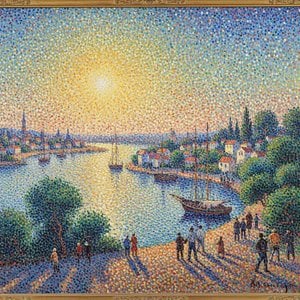
Seurat’ın sanatsal gelişimi, ani bir yenilik atılımı değil, entelektüel merak ve titizlikle şekillenen kademeli bir evrimdi. Başlangıçta çalışmaları, dönemin akademik standartlarını yansıtarak çizim yeteneğini ve yerleşik kompozisyon ilkelerine saygıyı sergiliyordu. Ancak kısa sürede bu geleneksel yaklaşımlara meydan okuyarak, resme daha bilimsel bir yaklaşım getirmeyi amaçladı. Kendisini renk teorisinin yükselen alanına adadı, Michel Eugène Chevreul ve Ogden Rood gibi bilim insanlarının yan yana yerleştirilen renklerin optik etkilerini inceleyen yazılarını araştırdı. Bu araştırmalar, çığır açan tekniği olan kromoluminarizm – rengin bilimi – ve onun pratik uygulaması Noktacılık’ın temelini oluşturdu. Temel fikir şaşırtıcı derecede basitti: saf renklerin küçük, ayrı noktalarını bir tuvale uygulayarak, izleyicinin gözünün bunları optik olarak karıştırmasına ve canlı, aydınlık bir etki yaratmasına güvenmekti. Bu sadece daha parlak renkler elde etmekle ilgili değildi; insan görsel sisteminin ışığı ve rengi nasıl algıladığını anlamak ve bu bilgiyi kullanarak daha dinamik ve ilgi çekici bir resim deneyimi yaratmaktı. Her büyük kompozisyonu için, Conté kreta kalemleriyle pürüzlü kağıda dikkatlice yerleştirilmiş her noktanın yerleşimini haritalandırarak neredeyse matematiksel bir kesinlikle sanatsal sürecini gösterdi.
Yeniliğin Dönüm Taşları: Başlıca Eserler ve Sanatsal Vizyon
Seurat’ın araştırmalarının ve deneylerinin doruk noktası, belki de La Grande Jatte Adası'nda Bir Pazar Öğleden Sonrası (1884-1886) adlı devasa eserde en iyi şekilde örneklendiriliyor. Bu ikonik eser, Neo-İzlenimciliğin başlangıcını işaret ederken, Noktacılık tekniğini tam anlamıyla sergiliyordu. Dikkatlice yerleştirilmiş renk noktalarıyla işlenen figürler, ışıkla titreşen ve sakin bir dinginlik atmosferi yaratan bir görünüm sunuyor. Saint-Ouen’de Otlak (1882-1883), renk teorisini kırsal bir manzaraya uygulamasını gösterirken, daha önceki eserleri modern Paris yaşamının tasvirlerinde benzersiz tarzını önceden haber veriyordu. Hatta Eyfel Kulesi (1889) gibi endüstriyel modernite ve sanatsal yeniliği uyumlu bir şekilde harmanlayan çalışmalar bile, onun eşsiz tekniği aracılığıyla dönüştürülmüştü. Asnières’de Banyo Yapanlar (1884) adlı önemli bir diğer eser ise, kendine özgü tarzıyla dinlence ve modern yaşam temalarını keşfederek *La Grande Jatte*'deki daha rafine yaklaşımı önceden haber veriyordu. Bu resimler sadece sahnelerin temsilleri değil, renk ve algının olanaklarını araştırmak için tasarlanmış dikkatlice oluşturulmuş görsel deneylerdi.
Süregelen Bir Miras: Etki ve Tarihsel Önemi
Trajik bir şekilde kısa ömürlü olmasına rağmen – Seurat 31 yaşında, 1891 yılında hayatını kaybetti – sanatsal dünyadaki etkisi derin ve geniş kapsamlıydı. Çalışmaları geleneksel sanatsal kurallara meydan okuyarak birçok sonraki akımın önünü açtı. Öznel ifadeye verilen önem ve yeni tekniklerin keşfi, akademik kısıtlamalardan kurtulmak isteyen sanatçılarla yankı buldu. Seurat’ın etkisi, cesur renkleri ve dışa vurumcu fırça darbelerini benimseyen Fauvistlerden, biçimleri geometrik şekillere ayrıştıran Cubistlere ve duygusal yoğunluğa ve kendiliğinden jestlere öncelik veren Soyut Ekspresyonistlere kadar birçok sanatçı üzerinde görülebilir. Bilimsel yaklaşımı başlangıçta tartışmalı olsa da, sonunda sanatsal olanağınızın tanımını genişletti. Sanatın hem entelektüel olarak titiz hem de duygusal olarak etkileyici olabileceğini gösterdi; bu sentez günümüzde de sanatçıları ilhamlandırmaya devam ediyor. Seurat’ın mirası, teknik yeniliklerinin ötesine geçerek, modern yaşamı eşsiz bir hassasiyet ve güzellikle yakalayan bir eserler bütünü bırakmasıyla da kendini gösteriyor; böylece sanata gerçek bir öncü olarak yerini sağlamlaştırıyor. Resimleri, gözlem, deney ve etrafımızdaki dünyayı sanatsal ifade merceğiyle anlamaya yönelik bitmeyen insan arzusunun kanıtı olmaya devam ediyor.



 Önizleme yap
 Switch to Print
 Paylaş
 Paylaş
 Detayları Gör

 İndir
İndir
 Benzerlerini gör
 X-Işını
 Slayt Gösterisi
 Stats
Stats


 Tümünü Gör






































 Cam seçeneği yalnızca 110 cm altındaki boyutlar için mevcuttur.