Erken Yaşam ve Sanatsal Temeller
1882 yılında Fransa'nın Argenteuil kentinde dünyaya gelen Georges Braque, modern sanatın evrimleşen manzarasıyla derinden iç içe geçmiş bir yolculuğa adım attı. Bir boyacı ve dekoratör ailesinin içinde büyümesi, ona sadece malzemelere karşı teknik bir ustalık değil, aynı zamanda form ve yapıya yönelik erken bir takdir duygusu kazandırdı. Başlangıçta babasının mesleğini takip etse de, Braque'ın doğuştan gelen sanatsal eğilimleri onu kısa sürede Le Havre'daki École des Beaux-Arts'ta resmi eğitime yöneltti; bu durum, 20. yüzyılın en etkili ressamlarından biri olma yolundaki serüveninin başlangıcıydı. Pratik zanaatkarlık ile akademik çalışmanın birleşimi olan bu temel, daha sonra geleneksel sanatsal kuralları parçalarına ayırıp yeniden kurgularken hayati bir rol oynayacaktı.
1902 yılında Paris'e taşınan Braque, çalışmalarını Académie Humbert'te sürdürerek şehrin canlı sanatsal atmosferine kendini kaptırdı. Marie Laurencin ve Francis Picabia gibi sanatçılarla burada tanışması, erken dönem gelişimini şekillendirecek bağlar kurmasını sağladı. İlk eserleri İzlenimcilik ve Ard İzlenimciliğin hakim etkilerini yansıtıyordu; ancak 1905 yılında Fauvizm'in cesur renkleri ve dışavurumcu özgürlüğüyle yaşadığı dönüm noktası niteliğindeki karşılaşma, sanatsal arayışlarında yeni bir yönün fitilini ateşledi.
Fauvizmin Kucaklanışı ve Kübizmin Şafağı
Braque'ın yoğun, doğal olmayan renkler ve duygusal dışavurumla karakterize edilen Fauvist ilkeleri benimsemesi, The Patience gibi tablolarında canlı bir şekilde örneklendirilmektedir. Bu dönemde Henri Matisse ve André Derain gibi sanatçılarla birlikte çalışarak canlı paletler ve basitleştirilmiş formlar üzerinde deneyler yaptı. Ancak Braque'ın Fauvizm ile olan bağı yalnızca taklitçi değildi; bu akımı kendine özgü bir duyarlılıkla harmanlayarak, hareketin dizginlenemeyen coşkusunu daha ölçülü ve analitik bir yaklaşımla dengeledi.
1907 yılında Paul Cézanne'ın retrospektif sergisiyle karşılaşmasıyla büyük bir dönüm noktasına ulaştı. Cézanne'ın geometrik formlara ve çoklu perspektiflere verdiği önem Braque'ı derinden etkileyerek, Pablo Picasso ile gerçekleştireceği çığır açıcı işbirliğinin zeminini hazırladı. 1908'den itibaren bu iki sanat devi, temsilin geleneksel kavramlarını yerle bir eden devrimci bir akım olan Kübizm'i doğuracak yoğun bir entelektüel alışveriş dönemine girdiler.
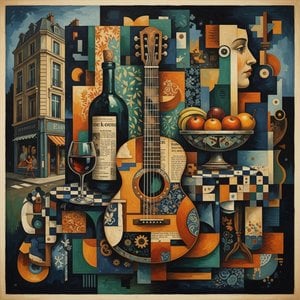
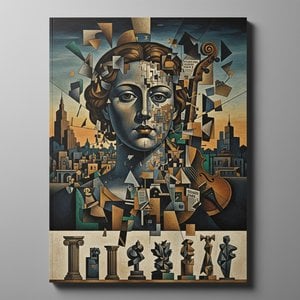
Braque ve Picasso birlikte, nesneleri parçalanmış geometrik şekillere ayırarak birden fazla bakış açısını eş zamanlı olarak sunan Analitik Kübizm'i geliştirdiler. Houses at L'Estaque gibi eserler bu erken evreyi gözler önüne sererek, geleneksel perspektiften radikal bir kopuşu ve formların temel yapısına odaklanışı sergiler. Bir nesnenin yalnızca görünümünü değil, varlığının bütünlüğünü temsil etmeye çalışırken, paletleri kasıtlı olarak matlaştı ve renk yerine formu ön plana çıkardı.
Parçalanma ve Kolaj Yoluyla Yenilik
Braque ve Picasso arasındaki ortaklık, sanatsal ifadenin sınırlarını zorlamaya devam ederek 1912 civarında Sentetik Kübizm'in gelişimine yol açtı. Bu aşama, kolaj tekniğinin —gazete kupürleri, duvar kağıdı ve kumaş gibi gerçek dünya malzemelerinin resme dahil edilmesinin— tanıtıldığı dönemdir. Bu yenilik, resim ve heykel arasındaki geleneksel hiyerarşiye meydan okuyarak sanat ile yaşam arasındaki çizgileri bulanıklaştırdı.
Braque'ın öncü *papier collé* (yapıştırılmış kağıt) kullanımı, sanatsal evriminde önemli bir dönüm noktası oldu. Günlük nesnelerin parçalarını kompozisyonlarına entegre ederek, geleneksel resmin illüzyonist uzayını bozdu ve yeni bir maddesellik ve doku seviyesi getirdi. Bu teknik sadece sanatın biçimsel olanaklarını genişletmekle kalmadı, aynı zamanda temsil ile gerçeklik arasındaki ilişkiye duyulan artan ilgiyi de yansıttı.
1914'te Birinci Dünya Savaşı'nın patlak vermesi, Braque'ın askeri hizmete çağrılmasıyla bu yoğun işbirliğine bir ara verilmesine neden oldu. Savaş dönemi deneyimleri sanatsal vizyonunu derinden etkiledi ve savaş sonrası çalışmalarında daha kişisel ve lirik temaları keşfetmesine yol açtı.
Son Yıllar ve Kalıcı Miras
Savaşı takiben Braque'ın stili, Kübizm'in katı sınırlarının ötesine evrilerek klasik kompozisyon öğelerini ve natürmort sanatına yönelik yenilenmiş bir ilgiyi bünyesinde barındırmaya başladı. Erken dönem çalışmalarını tanımlayan geometrik etkileri korurken, resme karşı daha nüanslı ve düşünceli bir yaklaşım geliştirdi. Geç dönem manzaraları ve iç mekan tasvirleri, huzurlu atmosferleri ve renklerin ince uyumlarıyla karakterize edilir.
Kariyeri boyunca Braque; form, uzay ve temsilin temel ilkelerini keşfetmeye olan bağlılığını sürdürdü. 1963 yılındaki ölümüne kadar farklı malzeme ve tekniklerle deneyler yapmaya devam ederek sanatsal ifadenin sınırlarını zorladı. Sonraki sanatçı nesilleri üzerindeki etkisi ölçülemez düzeydedir; modern sanatın gidişatını şekillendirmiş, sayısız ressam, heykeltıraş ve kolaj sanatçısına ilham vermiştir.
Georges Braque'ın mirası bireysel eserlerinin ötesine uzanır; çevremizdeki dünyayı nasıl algıladığımızı ve temsil ettiğimizi temelden değiştirmiştir. Picasso ile olan işbirliği ruhu, kendi eşsiz sanatsal vizyonuyla birleşerek onun modern sanatın gerçek bir öncüsü olarak yerini sağlamlaştırdı; o, geleneklere meydan okumaya cüret eden ve resmin olanaklarını yeniden tanımlayan bir ustaydı.
Etkilendiği Sanatçılar ve Önemli Eserleri
- Etkilendiği Sanatçılar: Henri Matisse, André Derain, Paul Cézanne
- Başlıca Eserleri: Houses at L'Estaque, The Patience, Violin and Palette, Mandola
- Sanat Tarihindeki Etkisi: Kübizm aracılığıyla 20. yüzyıl sanatında devrim yarattı; perspektif ve temsilin geleneksel kavramlarına meydan okudu.



 Önizle
 El Yapımı Tablo Satın Al
 Gönder
 Paylaş
 Detaylar
 Rehber

 Dosyayı İndir
 Benzerleri
 X-Işını
 Slayt Gösterisi
 İstatistikler


 Devamını Oku






































 Cam seçeneği yalnızca 110 cm altındaki boyutlar için mevcuttur.