Önizleme yapÖnizleme yap AR ile önizleAR ile önizle Switch to Print Switch to PrintEl yapımı tablo satın al El yapımı tablo satın al PaylaşPaylaş
Detayları GörDetayları Gör Favorilere ekle Favorilere ekle İndirİndir Benzerlerini görBenzerlerini gör X-IşınıX-Işını Slayt GösterisiSlayt Gösterisi StatsStats

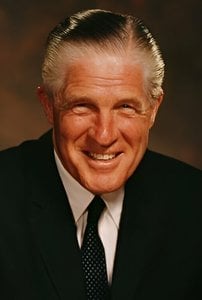
Possibly William Thomas Meyer

Admire George Romney's masterful portraiture style in this captivating depiction of an elegant gentleman dressed in crimson attire – a timeless piece reflecting the grandeur of the late 18th century.

George Romney’ın ikonik portreleri ve Emma Hamilton ile olan etkileyici ilişkisiyle tanınan İngiliz sanatçısı! Romantik tarzı, büyüleyici eserleri ve dönemin aristokrat yaşamına dair benzersiz bir bakış açısı sunuyor. Şimdi özel baskıları keşfedin!

Çevrimiçi önizlemeden çok daha üstün, yüksek çözünürlüklü ve iyileştirilmiş bir dijital görüntü satın alın.

Her dosya, uzman ekibimiz tarafından gelişmiş araçlar ve titiz manuel rötuş teknikleri kullanılarak özenle hazırlanır. Her görüntünün olağanüstü netliğe, kusursuz renk doğruluğuna ve ince ayrıntılara sahip olduğundan emin oluruz.

Son dosya; profesyonel, editoryal ve baskı süreçlerinde anında kullanıma uygun şekilde optimize edilerek 72 saat içinde e-posta yoluyla teslim edilir. Bu, seçkin tasarım stüdyoları, yayıncılar ve galerilerin güvendiği aynı kalite standartlarındadır.

Dijital Görsel

Kişisel sergileme, baskı ve yaratıcı projeleriniz için yüksek çözünürlüklü bir dosya indirin. (Switch to Print Switch to PrintEl yapımı tablo satın al El yapımı tablo satın al)

Toplam Tutar

$ 24,90

Her Dijital Görüntü Siparişinde Dahil Olanlar

Uzman Dijital Teslimat, Garantili

WahooArt.com seçtiğinizde, sadece bir görsel edinmekle kalmaz; titizlikle hazırlanmış, profesyonelce iyileştirilmiş dijital bir sanat eserine sahip olur ve memnuniyet garantisiyle güvence altına alınırsınız. Siparişinizle birlikte otomatik olarak sunulan her şey şunlardır:

shipping_icon
Hızlı E-posta ile Teslimat

Yüksek çözünürlüklü dijital görüntü dosyanız, siparişinizin üzerinden en geç 72 saat geçmeden e-posta ile size gönderilecektir; hemen kullanıma hazırdır.

canvas_icon
Yapay Zeka İle İyileştirilmiş Dijital Dosya

Sanat eseriniz; maksimum detay, netlik ve renk doğruluğu sağlamak amacıyla gelişmiş yapay zeka araçları ve manuel düzenleme kullanılarak profesyonelce optimize edilmektedir.

insurance_icon
Ömür Boyu Ücretsiz Yeniden Gönderim

Dosyanızı yanlışlıkla mı sildiniz yoksa kayıp mı oldu? Endişelenmeyin; dosyanızı dilediğiniz zaman size ücretsiz olarak tekrar göndereceğiz.

tax_icon
Hiçbir Zaman İthalat Ücreti Ödemeyin

Sanat eserinizin tadını gümrük vergisi, harç veya teslimat ücreti ödemeden anında çıkarın; dijital indirmeler her zaman vergiden muaftır.

color_icon
Renk Doğruluğu Garantisi

Profesyonel araçlar ve renk yönetimi kullanarak dijital görselinizin orijinal renklere mümkün olduğunca yakın yansıtılmasını sağlıyoruz.

return_icon
100 Günlük Memnuniyet Garantisi

If you're not satisfied with your digital image, we'll revise it or refund 100% within 100 days - no questions asked.

guarantee_icon
100% Para İadesi Garantisi

Memnun kalmadınız mı? Dijital dosyanızı teslim aldıktan sonraki 100 gün içinde, hiçbir soru sorulmaksızın tam para iadesi alabilirsiniz.

discount_icon
Toplu Sipariş İndirimleri

Buy 3 images, save 10% - Buy 5, save 15% - Buy 10+, save 20%. Great for creative projects, galleries, and agencies.

Hızlı Bilgiler

  • Notable elements or techniques: Visible brushstrokes, Soft lighting
  • Subject or theme: Portraiture
  • Location: Private Collection
  • Influences: Romanticism
  • Medium: Oil on canvas
  • Artistic style: Romneyesque
  • Title: Possibly William Thomas Meyer

A Gaze Through Time: The Soul of Regency Elegance

In the quietude of George Romney’s Possibly William Thomas Meyer, one finds more than just a mere likeness; one encounters a profound moment of psychological stillness captured forever in oil. Painted during the twilight of the eighteenth century, between 1795 and 1802, this portrait serves as a window into the refined dignity of the British Regency era. The subject, whether indeed the enigmatic William Thomas Meyer or another gentleman of status, gazes outward with an expression that is simultaneously present and deeply introspective. It is an arresting stillness—a gaze that seems to look through the viewer, lost in a private world of contemplation. For the collector or the lover of classical portraiture, this piece offers a rare opportunity to possess a fragment of history, embodying the grace and social poise that defined an entire epoch.

The emotional resonance of the work lies in its ability to bridge the gap between the sitter and the spectator. There is no performative bravado here, only a soft, dignified vulnerability. This subtle emotional depth makes the painting an exceptional choice for sophisticated interiors, where it can serve as a focal point of quiet strength, inviting long periods of reflection and conversation.

The Mastery of Light and Venetian Influence

To understand the brilliance of this portrait, one must look closely at Romney’s technical virtuosity. Heavily influenced by the grand traditions of Venetian masters and the contemporary prestige of Joshua Reynolds, Romney moved away from the stiff, formal rigidity that often plagued aristocratic commissions of his time. Instead, he embraced a more fluid, naturalistic approach. His technique involved the meticulous application of thin, translucent glazes over a preparatory underpainting, a method that allows light to penetrate the layers of pigment and reflect back, creating a luminous, lifelike quality in the subject's skin.

The artist’s palette is a masterclass in subtle contrast. Using natural pigments such as ochre, umber, and ivory black, Romney builds a rich texture that breathes life into the canvas. The deep, commanding red of the sitter's coat provides a striking counterpoint to the dark, indistinct background, ensuring that the viewer’s eye is drawn immediately to the face and the delicate textures of the attire. The visible yet controlled brushstrokes lend a sense of movement and vitality to the fabric, suggesting the weight of the cloth and the softness of the skin with remarkable accuracy. This interplay of light and shadow—the chiaroscuro effect—not only defines the physical form but also heightens the dramatic, atmospheric mood of the piece.

A Timeless Addition to the Curated Home

For interior designers and connoisseurs of fine art, Possibly William Thomas Meyer represents a pinnacle of classical aesthetic appeal. The painting’s color story—dominated by rich crimsons, warm earth tones, and soft highlights—complements a wide array of decor styles, from the traditional grandeur of a library or study to the more contemporary, minimalist elegance of a modern gallery-style living space. It possesses that rare quality of being both a historical artifact and a living piece of art that breathes life into a room.

Investing in a high-quality reproduction of this masterpiece allows one to bring the prestige of the Regency era into the contemporary home. It is an invitation to surround oneself with beauty, history, and the enduring legacy of George Romney’s incomparable ability to capture the very essence of the human spirit. Whether placed in a prominent position to anchor a room or tucked into a quiet corner to offer a moment of peace, this portrait remains a timeless testament to the power of classical portraiture.


Sanatçı Özgeçmişi

A Life in Portraiture: The World of George Romney

Born in the picturesque landscape of Dalton-in-Furness, Lancashire, on December 15th, 1734, George Romney ascended to become one of the most sought-after portrait painters of his era. His journey from a cabinet maker’s son to the favored artist of British high society is a compelling narrative of innate talent and unwavering ambition. Early life offered little indication of the artistic path he would forge; initially apprenticed to his father, it was an inherent inclination towards drawing and craftsmanship that led him to Christopher Steele, a local portraitist who had studied in Paris. This apprenticeship proved pivotal, providing Romney with foundational skills and an introduction to European artistic traditions. He quickly surpassed his master, however, demonstrating a precocious talent demanding further cultivation. A brief, unhappy marriage and subsequent separation propelled him towards London in 1762, a city brimming with opportunity but also fierce competition.

Establishing a Reputation: Style and Technique

London proved to be a crucible for Romney’s artistic development. He swiftly established himself as a formidable portraitist, challenging the dominance of artists like Thomas Gainsborough and Sir Joshua Reynolds. While he never sought membership in the Royal Academy – a decision that perhaps limited his access to certain patronage – his success was undeniable. Romney's style evolved over time, initially reflecting the influence of Steele and his Parisian training, but soon blossomed into something distinctly his own. He possessed an exceptional ability to capture not merely the likeness, but also the personality and social standing of his sitters. His portraits are characterized by elegant poses, a refined use of light and shadow, and a subtle psychological insight that set him apart. Romney’s technique was marked by a delicate touch and a preference for flowing lines, often drawing inspiration from classical sculpture. He skillfully employed color to convey texture and depth, creating portraits that were both visually striking and emotionally resonant. His ability to flatter his subjects while maintaining artistic integrity earned him the loyalty of an elite clientele. He understood the power of suggestion, hinting at character rather than explicitly defining it, a quality that appealed to those who valued discretion and refinement. Romney’s meticulous attention to detail—from the subtle folds of fabric to the expressive gaze of his subjects—became a hallmark of his oeuvre.

The Muse and Her Influence: Emma Hamilton

Romney’s life took a dramatic turn with his encounter with Emma Hart, later known as Lady Hamilton, in 1782. She became not only his most celebrated model but also his muse, profoundly influencing his artistic output. Emma's beauty, intelligence, and theatrical flair captivated Romney, inspiring a series of portraits that explored themes of classical mythology, dramatic narrative, and feminine grace. He depicted her in various roles – as a spinner, as the tragic Miranda from Shakespeare’s *The Tempest*, and in numerous allegorical scenes that showcased her expressive range. These works demonstrate Romney's willingness to experiment with composition and symbolism, moving beyond conventional portraiture into more imaginative territory. The Tempest series, in particular, reveals a Romantic sensibility at play, anticipating the emotional intensity of later artists. The relationship was intense and all-consuming for Romney, though ultimately unfulfilled romantically; Emma eventually became the mistress of Lord Nelson, a union that cemented her place in history. Nevertheless, their artistic collaboration left an indelible mark on both their lives and produced some of Romney’s most enduring masterpieces. He painted over 80 portraits of her, each revealing a different facet of her captivating personality. The dynamism of Emma Hamilton's presence—captured with remarkable sensitivity—became central to Romney’s artistic vision.

Major Achievements and Legacy

George Romney achieved considerable renown during his lifetime, securing commissions from prominent figures across British society. His portraits graced the homes of aristocrats, statesmen, and intellectuals alike, establishing him as one of the foremost artists of his era. Beyond his prolific output, Romney's contribution to artistic discourse was significant. He championed a style that prioritized psychological realism and emotional expression—a departure from the idealized depictions favored by earlier generations of painters. His influence extended beyond portraiture itself, inspiring subsequent artists to embrace similar approaches to capturing human character and conveying emotion. Romney’s legacy continues to resonate today, as scholars and critics recognize his pioneering role in shaping British Romanticism. He remains a celebrated figure in art history—a testament to the enduring power of talent, dedication, and artistic vision. His work serves as an invaluable record of the social and cultural landscape of the late 18th century, offering insights into the values and aspirations of a bygone era. Romney’s meticulous observation of human behavior—combined with his masterful technique—solidified his position as one of Britain's greatest portrait painters.

Concluding Thoughts

George Romney died in Kendal, Cumbria, on November 15th, 1802, leaving behind an impressive body of work that continues to captivate audiences worldwide. His portraits stand as enduring symbols of elegance, sophistication, and artistic excellence—a testament to his extraordinary talent and unwavering commitment to his craft. He is remembered not only for his technical skill but also for his profound understanding of human psychology—a quality that distinguishes him from many of his contemporaries. Romney’s influence can be seen in the works of artists who followed him, demonstrating the lasting impact of his artistic innovations. His legacy endures through the countless reproductions of his paintings that adorn museums and private collections—a testament to the enduring fascination with his art and its ability to convey timeless beauty and emotional depth.
George Romney

George Romney

1734 - 1802 , İngiltere

Kısa Bilgiler

  • Artistic Movement Or Style: Portraiture, Romanticism
  • Artists Or Movements Influenced By This Artist: ['British portraitists']
  • Artists Who Influenced This Artist:
    • Christopher Steele
    • Carle Vanloo
    • Raphael
    • Titian
    • Correggio
  • Date Of Birth: Dec 15, 1734
  • Date Of Death: Nov 15, 1802
  • Full Name: George Romney
  • Nationality: British
  • Notable Artworks:
    • Peter and James Romney
    • Portrait of G. Cowper
    • The Death of General Wolfe
  • Place Of Birth: Dalton-in-Furness, UK