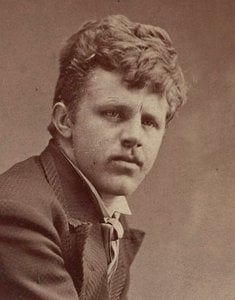
Trajediden Doğmuş Bir Yaşam ve Gerçekçilik
Frank Duveneck, 1848 yılında Ohio Nehri’nin hareketli liman kasabası Covington, Kentucky’de Frank Decker adıyla dünyaya geldi. Sanatçının yaşam öyküsü, güçlü fırça darbeleriyle tuvale aktardığı eserleri kadar etkileyici ve dokunaklıdır. Erken çocukluk yılları acılarla gölgelendi; babasının koleradan ölümü, henüz bir yaşındayken hayatına derin bir iz bıraktı. Bu erken dönemdeki trajedi, annesinin Joseph Duveneck ile evlenmesiyle – kendisinden kalıcı adını aldığı kişi – ona dayanıklılık duygusu aşıladı ve belki de daha sonra eserlerine nüfuz edecek olan hassasiyeti geliştirdi. Üvey babasının Alman mirasıyla Amerikan topraklarının kendine özgü manzaralarının birleşimi, sanatçı için eşsiz bir kültürel temel oluşturdu. Henüz küçük bir çocukken bile çizime karşı doğal bir yeteneği vardı; bu durum onu yerel ressam Johann Schmitt’in öğrencisi olmaya ve kilise dekorasyonunda uzmanlaşmış bir firmada çıraklık yapmaya yönlendirdi—teknik becerilerini geliştirdiği ve görsel imgelerin anlatım gücünü özümsediği kritik bir dönem. Bu sadece teknik ustalıkla ilgili değildi; sanatın duyguları nasıl harekete geçirebileceğini ve hikayeler anlatabileceğini anlamakla ilgiliydi, bu dersler kariyeri boyunca yankılanmaya devam etti.
Münih’in Ateş Çemberi: Karanlık Gerçekçiliği Benimsemek
1869 yılında Duveneck, ileri düzeyde sanat eğitimi almak için Almanya’nın Münih şehrine dönüştürücü bir yolculuğa çıktı. Bu hareket hayatının dönüm noktası oldu. Münih'teki hakim estetik, akademik ideallerden uzaklaşarak doğrudan gözleme ve tavizsiz dürüstlüğe dayanan sert bir gerçekçilikti. Duveneck ile derinden rezonansa girdi; daha koyu bir palet benimsedi ve daha enerjik, dışa vurumcu bir fırça darbesi kullandı. 17. yüzyıl Hollandalı ustası Frans Hals’ın eserlerine hayran kaldı; canlı portreleri ve ışığı ustaca kullanması stilini derinden etkiledi. Bu etki,
Lady with Fan (1873) gibi resimlerinde çarpıcı bir şekilde görülebilir; keskin fırça darbeleri ve kasvetli tonlamalar Hals’ın ruhunu yansıtırken aynı zamanda Duveneck'in kendi özgün sesini de ortaya koyar. Bu oluşum yıllarında, çağdaşlarının tercih ettiği parlak yüzeylerden farklı olarak güçlü gerçekçilik, psikolojik derinlik ve duygusal yoğunlukla aşılanmış imza stilini geliştirmeye başladı.
Whistling Boy (1872) bu erken dönemdeki ifade gücünün bir örneğidir; gençliğin coşkusunu olağanüstü canlılık ve hissedilir bir yaşam hissiyle yakalar.
Bir Mentor’un Etkisi: “Duveneck Çocukları” ve Ötesi
1878 yılına gelindiğinde Duveneck, sadece bir ressam olarak değil aynı zamanda bir eğitimci olarak da sanat dünyasında önemli bir figür haline gelmişti. Münih'te kendi okulunu açtı; bu okula Amerikan Empresyonizmi ve Gerçekçiliğinin önde gelen isimleri olacak hırslı Amerikalı sanatçılar akın etti. Bunlar arasında John Twachtman, Otto Bacher, Julius Rolshoven ve John White Alexander yer alıyordu. Duveneck’in öğretim felsefesi doğrudan gözlem, cesur fırça darbeleri ve geleneksel akademik kısıtlamalardan uzak durmayı vurguluyordu. Öğrencilerini sağlam çizim ilkelerine ve dışa vurumcu renklere dayandırarak kendi sanatsal yollarını çizmeye teşvik etti. Cincinnati Sanat Akademisi’nde göreve başlamasıyla etkisi Amerika'ya geri döndü; burada Ida Holterhoff Holloway, John Christen Johansen ve Russel Wright gibi bir sonraki nesil sanatçılara mentorluk yaptı. Yenilik ve bağımsızlık ruhunu besledi; bu da Amerikan sanatının seyrini şekillendirmesine yardımcı oldu ve rehberliğinde eğitim alanların üzerinde kalıcı bir iz bıraktı.
Gelişen Vizyonlar ve Kalıcı Miras
Duveneck’in sanatsal yolculuğu Amerika'ya dönüşünden sonra da devam etti. Gerçekçiliğe bağlılığını korurken paleti, Empresyonizmden ve İtalya ve Fransa'ya yaptığı sık seyahatlerden etkilenerek aydınlandı. Manzara resmini giderek daha fazla keşfetti; Venedik’in güneşle yıkanmış sahnelerini ve Massachusetts kıyılarının engebeli güzelliğini yakaladı. Bu stilistik değişimlere rağmen, eseri her zaman kendine özgü bir karakter—teknik ustalık, duygusal derinlik ve psikolojik içgörünün bir karışımı—korudu. Eşi Elizabeth Boott Duveneck’i 1888 yılında kaybetmenin kişisel trajedisi, sonraki eserlerinden bazılarında daha içe dönük bir kaliteye katkıda bulunmuş olabilir. Frank Duveneck, 1919 yılında Kentucky Covington'da hayatını kaybetti; geride zengin bir sanatsal miras bıraktı. Resimleri bugün New York Metropolitan Sanat Müzesi, Washington D.C.'deki Ulusal Sanat Galerisi ve Cincinnati Sanat Müzesi gibi prestijli koleksiyonlarda sergileniyor—Amerikan sanatına olan kalıcı katkısının kanıtlarıdır. Akademik gelenekten modern gerçekçiliğe geçişte kilit bir figür olarak duruyor; geleneklere meydan okumaya cesaret eden ve doğruluğa ve güzelliğe sarsılmaz bir bağlılıkla kendi yolunu çizen bir sanatçı.
Kalıcı Etki
- Öncü Gerçekçilik: Duveneck’in hayatı olduğu gibi tasvir etme taahhüdü, idealize edilmeden, gelecek nesil Amerikalı gerçekçi ressamlar için yol açtı.
- Etkili Eğitimci: “Duveneck Çocukları”na mentorluğu ve Cincinnati Sanat Akademisi’ndeki sonraki öğrencileri Amerikan Empresyonizmi ve Gerçekçiliğinin gelişimine derin bir etki yaptı.
- Teknik Ustalık: Duveneck’in fırça darbelerini, rengi ve kompozisyonu ustaca kullanması bugün de sanatçıları ilham vermeye devam ediyor.
- Psikolojik Derinlik: Konularının iç dünyasını yakalama yeteneği, eserlerine karmaşıklık ve duygusal bir rezonans katıyor.
Duveneck’in mirası sadece resimlerinin ötesine uzanır; öğrencilerine aşıladığı sanatsal bağımsızlık ruhunda ve vizyonunun kalıcı gücünde yatar. Kişisel trajediden doğmuş ve doğruluğa ve güzelliğe sarsılmaz bir bağlılıkla beslenmiş sanatın dönüştürücü potansiyeline tanıklık eder.



 Önizleme yap
 El yapımı tablo satın al
 Paylaş
 Paylaş
 Detayları Gör
 Rehber

 İndir
İndir
 Benzerlerini gör
 X-Işını
 Slayt Gösterisi
 İstatistikler


 Tümünü Gör






































 Cam seçeneği yalnızca 110 cm altındaki boyutlar için mevcuttur.