Francis Bacon: Varoluşun Çığlığı ve Sanatın Karanlık Kalbi
Francis Bacon, 20. yüzyıl sanatının en etkileyici figüratif ressamlarından biri olarak kabul edilir. Dublin’de doğmuş olmasına rağmen, sanatsal kimliğini savaş sonrası Britanya’nın çalkantılı atmosferinde şekillendirmiştir. Hayatı, istikrarsızlık ve duygusal karmaşıklıklarla dolu bir yolculuk olmuş; annesinin sağlık sorunları nedeniyle sık sık taşınmalar, sert babasıyla yaşadığı zorlu ilişkiler ve özellikle bakıcısı Jessie Lightfoot ile kurduğu derin bağ, Bacon’ın dünya görüşünü derinden etkilemiş ve eserlerine yansımıştır. At yarışlarına olan ilgisi ve kumarla geçen yıllarından sonra, resme geç dönmüş olsa da, bu gecikme belki de çalışmalarına daha yoğun bir aciliyet ve tutku katmıştır. Formal eğitimi olmamasına rağmen, Bacon kendi yolunu çizerek, çeşitli kaynaklardan ilham alarak ve kendine özgü, rahatsız edici bir görsel dil geliştirmiştir.
Erken Yılların İzleri: Picasso’dan Schiele’ye Dönüşüm
Bacon'ın sanatsal uyanışı ani olmamış; yavaş yavaş biriktirdiği izlenimlerin sonucu olarak ortaya çıkmıştır. Pablo Picasso’nun erken dönem Kübist figürlerinin yarattığı distorsiyonlar, onu geleneksel temsilden kurtarmada önemli bir rol oynamıştır. Egon Schiele'nin ürkütücü fotoğraflarındaki insan formunun ifadeci bozulmaları da Bacon’ın varoluşun kırılganlığı ve savunmasızlığıyla ilgili büyüyen ilgisiyle yankılanmıştır. Ancak, Sergey Eisenstein’ın *Battleship Potemkin* filmine denk gelmesi, sanatsal gelişiminde bir dönüm noktası olmuştur. Filmin ham görüntüsü, özellikle çığlık atan yüzün yakın çekimi, Bacon'ın eserlerinde kalıcı bir motif haline gelerek ilkel korkuyu ve insan acısının derinliklerini temsil etmiştir. Ayrıca Diego Velázquez’in ustalığını da derinden takdir etmiş; *Pope Innocent X* portresini kariyeri boyunca yeniden yorumlayarak otoriter papal figürünü çalkantılı bir hayalete dönüştürmüştür. Bu etkiler sadece stilistik taklitler değildi; Bacon'ın kendi benzersiz duyarlılığı aracılığıyla emilmiş ve dönüştürülmüş, hem derinlemesine kişisel hem de evrensel yankılara sahip bir sanatsal vizyon yaratmıştır.
İmza Tarzını Yaratmak: Bozulma ve İzolasyonun Sanatı
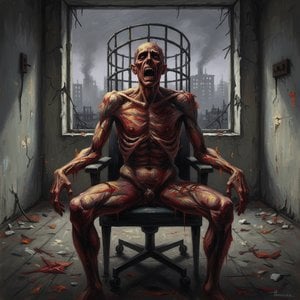
Bacon'ın yükselişi, 1944 yılında yarattığı *Three Studies for Figures at the Base of a Crucifixion* adlı eserle gerçekleşmiştir. Bu triptik, savaş sonrası Londra’da izleyicileri hem şok etmiş hem de büyülemiştir. Eseri, bozulmuş, parçalanmış figürlerin klostrofobik mekanlarda izole edildiği kendine özgü tarzını tanımlamıştır. Bunlar dini fedakarlığın tasvirleri değil; insan acısının ham bir keşfiydi, rahatlatıcı bir anlatıdan veya ruhsal teselliden yoksun olarak sunuluyordu. Resimleri genellikle bulanıklaşmış veya çözünen formları içerir ve bu da psikolojik huzursuzluk ve fiziksel savunmasızlık duygusu yaratır. Sık sık geometrik yapılar—kafesler, kutular—kendi konularını hapsetmek için kullanmıştır; izolasyonlarını ve çaresizliklerini vurgulayarak. Bacon’ın paleti genellikle yumuşak ve kasvetliydi; keşfettiği karanlık temaları yansıtıyordu, ancak duygusal etkiyi artıran yoğun renk patlamalarıyla kesintiye uğratılıyordu. Bu kafeslerin kullanımı sadece bir kompozisyonel araç değildi; insan varoluşuna dayatılan içsel sınırlamalar ve kısıtlamaların sembolüydü. İnsanlığın neye benzediğini değil, nasıl hissettiğini yakalamaya çalışıyordu; endişe, korku ve umutsuzluğun en karanlık köşelerini tuvale acımasız bir dürüstlükle aktarıyordu.
Ölümcülük, Acı ve İnsan Durumu Temaları
Kariyeri boyunca Bacon, belirli motiflere tekrar tekrar dönmüştür: çarmıha gerilme, insan acısının sembolü; arkadaşları ve sevgilileri gibi figürlerin psikolojik yoğunluğuna nüfuz eden portreler; ve kimlik ve ölümcüllük üzerine iç gözlem keşifleri olarak hizmet eden kendi kendine portreler. *Study After Velázquez’s Portrait of Pope Innocent X* (1953) serisi, belki de en ikonik başarılarından biridir; Velázquez'in saygın portresini çığlık atan bir hayalete dönüştürerek varoluşsal dehşeti somutlaştırmıştır. Volatil sevgilisi George Dyer’ın portreleri özellikle dokunaklıdır ve aralarındaki yoğun bağlantıyı ve trajedi gölgesini yakalamaktadır. Bacon'ın çalışmaları belirli bireyleri tasvir etmekle ilgili değildi; insan kırılganlığının, izolasyonun ve ölümün kaçınılmazlığının evrensel temalarını keşfetmekle ilgiliydi. Varoluşun daha karanlık yönlerinden kaçınmak yerine, onlarla doğrudan yüzleşti; izleyicileri kendi ölümcüllükleriyle ve kaygılarını kabul etmeye zorladı.
Süregelen Miras: Kuralları Zorlamak
Francis Bacon’ın 20. yüzyıl sanatındaki etkisi yadsınamaz. Geleneksel temsiliyetin kavramlarını zorlayarak, güzelliğin idealize edilmiş bir tasvirine karşı insan durumunun ham ve acımasız bir tasvirini tercih etti. Çalışmaları nesiller boyu sanatçıları derinden etkilemiş; yeni ifade biçimleri için zemin hazırlamış ve geleneksel sanatsal sınırları zorlamıştır.
- Savaş Sonrası Ekspresyonizm: Bacon, cesur tarzı ve psikolojik derinliğiyle bu akımın kilit bir figürü olarak kabul edilir.
- Auksyona Çıkarma Rekorları & Müze Sergileri: Resimleri dünya çapında büyük müzelerde sergilenirken, açık artırmalarda yüksek fiyatlar elde etmeye devam ederek sanat tarihinde kalıcı yerini sağlamlaştırmıştır.
- Gerçekleri Karşılamak: Bacon’ın mirası, insan varoluşunun rahatsız edici gerçekleriyle yüzleşme ve bu deneyimleri hem kışkırtan hem de nihayetinde insan olmanın karmaşıklıklarını aydınlatan unutulmaz görüntülere dönüştürme yeteneğinde yatmaktadır.
Karmaşık ilişkiler, kumar bağımlılığı ve içki sorunlarıyla dolu çalkantılı bir kişisel yaşamına rağmen, 1992'deki ölümüne kadar sanatına adanmıştır. Bugün hala izleyicileri etkileyen, varoluşun kırılganlığını ve sanatın insan ruhunun en karanlık köşelerini aydınlatma gücünü hatırlatan eserler bırakmıştır.
Resimleri sadece görüntüler değil; visceral deneyimlerdir—insan olmanın kalıcı gücünün bir kanıtı.



 Önizle
 Baskı Satışına Geç
 Gönder
 Paylaş
 Detaylar
 Rehber

 Dosyayı İndir
 Benzerleri
 X-Işını
 Slayt Gösterisi
 Q&A
Q&A İstatistikler

 Devamını Oku






































 Cam seçeneği yalnızca 110 cm altındaki boyutlar için mevcuttur.