Önizleme yap AR ile önizle El yapımı tablo satın al Dijital Görsele Geç Paylaş
Detayları Gör Rehber Favorilere ekle İndir Benzerlerini gör X-Işını Slayt Gösterisi İstatistikler

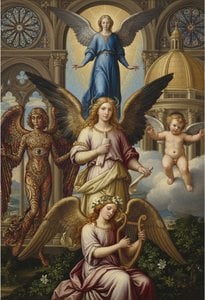
Melekler Tütenleri

Francesco Solari'nın "Melekler Tütenleri" eserine göz atın. Bu etkileyici sanat eseri İtalya Milano şehrinde yaratılmış ve dini ikonografiye ait bir parçadır.

Discover Francesco Solari: Italian sculptor & architect of the Renaissance. Admire his intricate sculptures like the Torchbearing Angel in Milan's Sforza Castle.

Giclée / Sanat Baskısı

Hızlı üretim ve esnek bitiş seçenekleriyle müze kalitesinde giclée veya kanvas baskı. ( El yapımı tablo satın al Dijital Görsele Geç)

P118B $10
P118H $10
P118W $10
P438Z $10
P508JH $12
P508YH $12
P805H $10
P805Z $10
P919BZ $10
P919G $10
P919XJ $10
P959ZH $10
P968JZ $12
W106C $8
W218G $10
W218JH $8
W218Y $10
W307PJ $10
W316G $10
W316PJ $8
W316Y $10
W398PJ $8
W4111J $10
W500HY $15
W500JH $15
W692G $12
W849H $8
W940BG $15
W953PJ $8

Standart
kişiye özel
CM
INCH

Eserin orijinal oranlarıyla uyumlu, önceden belirlenmiş boyutlarımız arasından seçim yapın.

genişlik
yükseklik

Belirli bir çerçeveye veya alana uyması için kendi ölçülerinizi girebilirsiniz. Seçtiğiniz boyut orijinal görüntünün oranlarıyla eşleşmiyorsa, sanat eserini kırpacağız veya görüntüyü aynalanmış ya da düz dolgulu bir kenarlıkla genişleteceğiz. Üretim başlamadan önce onayınız için bir dijital taslak gönderilecektir.
Lütfen ekrandaki önizlemenin gerçek kırpma veya genişletmeyi yansıtmadığını unutmayın. Nihai kompozisyonu yalnızca taslak doğru bir şekilde gösterecektir.
Özel boyutlar mevcut olsa da, orijinal oranları korumak için önceden tanımlanmış listeden bir boyut seçmenizi öneririz.

Dünya Çapında Teslimat (); standart 4/5 hafta yerine 2 haftada. (23 Eylül)

why_choose_icon
Dünya Çapında Ücretsiz Ekspres Kargo
why_choose_icon
Yüksek Kaliteli Keten Tuval
why_choose_icon
Tam Kapsamlı Nakliye Sigortası
why_choose_icon
Gümrük Vergisi İade Garantisi
why_choose_icon
Gerçek Renk Uyumu Garantisi
why_choose_icon
100 Günlük İade Politikası (Sadece Kusurlu Ürünler İçin)
why_choose_icon
%100 Para İade Garantisi
why_choose_icon
Toplu Alım İndirimi

Toplam Fiyat

$ 68

reproduction

Melekler Tütenleri

Giclée / Sanat Baskısı

Reproduksiyon Boyutu

-

Toplam Tutar

$ 68

Hızlı Bilgiler

  • Location: Museum
  • Artistic style: Realistic
  • Artist: Francesco Solari
  • Influences: Italian Renaissance
  • Notable elements or techniques: Detailed carving
  • Year: 1466
  • Movement: Renaissance

Sanat Bilgisi Testi

Her soru için yalnızca bir doğru cevap bulunmaktadır.

Soru 1:
What is the primary subject matter depicted in ‘Torchbearing Angel’?
Soru 2:
The sculpture is housed in which museum?
Soru 3:
Francesco Solari’s artistic style is characterized by:
Soru 4:
‘Torchbearing Angel’ originates from a significant architectural project in Milan. What was this project?
Soru 5:
Jean-Baptiste Mongeau, the artist’s father, practiced what profession?

Francesco Solari’ın Torchbearing Angel Heykeli: Aydınlığın Şehrinde Bir İncelik

Francesco Solari'nın Torchbearing Angel heykelinden bahsetmek, İtalyan Rönesansı sanatının en etkileyici eserlerinden birine ulaşmak gibidir. Bu eser, Milano’nun Ca' Granda Hastanesi'nin ikonik yarım yıkılışından elde edilen dört adet bronz figürden oluşmaktadır ve Solari’nin benzersiz yaklaşımıyla hem teknik becerisini hem de duygusal derinliğini ortaya koymaktadır. Heykelin yaratılmasına dair bilgiler oldukça sınırlıdır, ancak eserin atmosferi ve anlatısı sanat tarihçileri arasında uzun süredir tartışma konusudur. Özellikle İncil'deki Aydınlığın Şehri olarak tasvir edilen Milano’nun ruhunu yakalamayı başaran Solari’nin bu yapıtı, sadece bir güzel görüntüden daha fazlasıdır; aynı zamanda dönemin kültürel ve dini düşüncelerinin özünü taşımaktadır.

Solari’nin Stil ve Teknik Üslubu: Doğanın İnce Dokunuşu

Francesco Solari'nın sanatçı kişiliği oldukça gizlidir ve eserlerinde sık sık görülen doğal güzelliğe olan hayranlığı kendini göstermektedir. Onun üslubu, klasik Rönesans estetiğinin temel prensiplerini benimseyerek aynı zamanda kendine özgü bir duygusal ifade yaratmayı başarır. Solari’nin kullandığı teknik ise özellikle dikkat çekicidir; bronzdan elde edilen heykelde detaylı işçilik ve karmaşık geometrik şekillerin kullanımıyla klasik sanatın gücü ve zarifliği dengelenmektedir. Özellikle yüz ifadelerinde ve vücut pozisyonlarında insan figürünün hareketini ve duygularını canlı bir şekilde aktarmayı hedefleyen Solari, bronz malzemesinin ışığı nasıl kullandığını ustalıkla göstermiştir. Bu teknik beceri sayesinde eserlerinde hem gerçekçiliği hem de duygusal yoğunluğu başarıyla birleştirebilmiştir.

Historiyenin Gölgesi: Ca' Granda Hastanesi ve İncil Sembolizmi

Torchbearing Angel heykelinin yaratılmasına dair tarihi bağlam oldukça önemlidir; eser, Milano’da bulunan Ca' Granda Hastanesi'nin yeniden inşa edilme sürecinde ortaya çıkmıştır. Bu hastane, İncil'deki Aydınlığın Şehri olarak tasvir edilen Milano’nun dini ve kültürel önemini vurgulamaktadır. Heykelin tasarımında kullanılan dört meleğin figürleri, özellikle İncil'deki Kristos Yükselişi olayını hatırlatmaktadır. Bu sembolizm, eserin duygusal etkisini derinleştirmektedir; ziyaretçilere hem umudu hem de huzuru çağırarak ruhsal bir yolculuğa çıkmaya teşvik etmektedir. Solari’nin bu yapıtı sadece güzel bir sanat eserinden daha fazlasıdır; aynı zamanda İncil'deki temel mesajları görsel olarak anlatmayı başararak dönemin dini düşüncelerine ışık tutmaktadır.

Duygusallığın İzleri: Heykelin İçindeki İnsanlık Dünyası

Francesco Solari’nın Torchbearing Angel heykelinin duygusal etkisi ise sanat tarihçileri arasında uzun süredir tartışma konusudur. Eserdeki melelerin yüz ifadelerinde ve vücut pozisyonlarında insan figürünün duygularını canlı bir şekilde aktaran Solari, bronz malzemesinin ışığı kullanarak eserlerinde hem gerçekçiliği hem de duygusal yoğunluğu başarıyla birleştirebilmiştir. Bu teknik beceri sayesinde eserlerinde hem gerçekçiliği hem de duygusal yoğunluğu başarıyla birleştirebilmiştir. Heykelin atmosferi sakin ve huzurludur; ziyaretçilere hem umudu hem de huzuru çağırarak ruhsal bir yolculuğa çıkmaya teşvik etmektedir. Solari’nin bu yapıtı sadece güzel bir sanat eserinden daha fazlasıdır; aynı zamanda İncil'deki temel mesajları görsel olarak anlatmayı başararak dönemin dini düşüncelerine ışık tutmaktadır. Bu eser, sanatseverlerin ruhlarına dokunan ve onları derin duygularla harekete geçiren benzersiz bir güzelliğe sahiptir.

Sanatçı Özgeçmişi

The Shadowed Canvas: Exploring the Life and Art of Jean-Baptiste Mongeau

Jean-Baptiste Mongeau, a name perhaps less familiar than his contemporaries, nevertheless stands as a pivotal figure in the late 18th and early 19th French art scene. Born in Lyon in 1785 – a city renowned for its silk weaving and burgeoning artistic community – Mongeau’s life was inextricably linked to the revolutionary fervor sweeping through France. While his contemporaries, like David and Géricault, grappled with grand historical narratives, Mongeau found his voice in the intimate portrayal of everyday life, particularly within the confines of domestic interiors and the quiet contemplation of rural landscapes. His work, characterized by a subtle yet profound use of light and shadow, offers a poignant glimpse into a world on the cusp of dramatic change. Mongeau’s early artistic training was somewhat unconventional. He apprenticed not with a formal academy, but under his father, a skilled cabinet maker and miniature painter. This early exposure to meticulous craftsmanship instilled in him an appreciation for detail and a deep understanding of materials – qualities that would later inform his distinctive style. However, it was the vibrant salon culture of Lyon, filled with discussions of Neoclassicism, Romanticism, and the burgeoning ideals of the Enlightenment, that truly ignited his artistic passion. He initially experimented with historical subjects, producing several small-scale portraits reflecting the aristocratic clientele of the region, but quickly found himself drawn to a more personal and observational approach. A defining moment in Mongeau’s career came during the tumultuous years of the French Revolution and its immediate aftermath. Witnessing firsthand the social upheaval and the subsequent rise of Napoleon, he began to incorporate themes of loss, memory, and the fragility of human existence into his work. This shift is particularly evident in his series of “Intérieurs” – interior scenes depicting ordinary families engaged in their daily routines. These paintings are not grand historical statements; rather, they offer a quiet meditation on the rhythms of domestic life, capturing fleeting moments of tenderness, sorrow, and contemplation. The use of muted colors, often dominated by browns, grays, and ochres, creates an atmosphere of melancholy and introspection – a deliberate departure from the brighter palettes favored by many of his contemporaries. Mongeau’s artistic influences were diverse and complex. While he admired the technical mastery of Jacques-Louis David, he rejected his overtly heroic style, preferring to explore more subtle emotional resonances. He was also deeply affected by the Romantic movement, particularly the emphasis on subjective experience and the power of nature – though he tempered this influence with a distinctly French sensibility. The works of Jean-François Millet, known for his depictions of rural life, served as an important model, demonstrating the potential to find beauty and dignity in the lives of ordinary people. Furthermore, the meticulous detail evident in his work echoes the traditions of Flemish painting, particularly the genre of “tronies” – intimate portraits capturing a single moment of emotion. Despite facing periods of financial hardship and struggling for recognition during his lifetime, Mongeau’s influence on subsequent generations of French artists is undeniable. His emphasis on realism, psychological depth, and the exploration of everyday subjects paved the way for later Impressionist painters like Renoir and Monet. His “Intérieurs” series, in particular, anticipated the focus on domestic interiors that would become a hallmark of 19th-century art. Mongeau’s work was exhibited sporadically throughout his career, primarily at smaller salons and private collections. He died in Lyon in 1847, leaving behind a modest but significant body of paintings – a testament to the quiet power of observation and the enduring beauty of the human experience.

Key Works

  • La Famille au Repas (1815) - A quintessential “Intérieur” depicting a family gathered around a simple meal, capturing a moment of shared intimacy.
  • Le Jardinier Solitaire (1820) – A study in solitude and the beauty of the natural world, showcasing Mongeau’s ability to evoke atmosphere through subtle color variations.
  • Portrait de Madame Dubois (1830) - A remarkably intimate portrait capturing a moment of quiet contemplation by a woman reading.
  • Le Choeur du Village (1835) – A depiction of villagers gathered for a religious service, highlighting the importance of community and faith in rural France.

Legacy and Historical Context

Mongeau’s art is inextricably linked to the broader historical context of post-revolutionary France. The period following the Napoleonic Wars was marked by social unrest, economic hardship, and a growing sense of disillusionment with grand political narratives. Mongeau's focus on the lives of ordinary people reflected this shift in sensibility – a move away from heroic ideals towards a more grounded and humanistic perspective. His work can be seen as a subtle critique of the excesses of the aristocracy and a celebration of the resilience and dignity of the common man. Furthermore, his exploration of memory and loss resonated with the collective trauma experienced by France following decades of war and upheaval. While not widely celebrated during his lifetime, Mongeau’s quiet yet profound contributions to French art continue to be recognized today as a vital expression of the era's complex social and emotional landscape.

francesco solari

francesco solari

1469 , Italy

Kısa Bilgiler

  • Artistic Movement Or Style: World Goes Pop
  • Artists Or Movements Influenced By This Artist: ['']
  • Artists Who Influenced This Artist: ['']
  • Date Of Death: 1469
  • Notable Artworks: ['Various works featured in The EY Exhibition']
Temalara, stillere ve özelliklere göre düzenlenmiş sanat eserlerini keşfedin.