


 Acrylic On CanvasWallArtBaroque
 72.0 x 56.0 cm
 Uffizi Galerisi
Hızlı üretim ve esnek bitiş seçenekleriyle müze kalitesinde giclée veya kanvas baskı. ( El yapımı tablo satın al Görsel satın al)





























Eserin orijinal oranlarıyla uyumlu, önceden belirlenmiş boyutlarımız arasından seçim yapın.

Belirli bir çerçeveye veya alana uyması için kendi ölçülerinizi girebilirsiniz. Seçtiğiniz boyut orijinal görüntünün oranlarıyla eşleşmiyorsa, sanat eserini kırpacağız veya görüntüyü aynalanmış ya da düz dolgulu bir kenarlıkla genişleteceğiz. Üretim başlamadan önce onayınız için bir dijital taslak gönderilecektir.
Lütfen ekrandaki önizlemenin gerçek kırpma veya genişletmeyi yansıtmadığını unutmayın. Nihai kompozisyonu yalnızca taslak doğru bir şekilde gösterecektir.
Özel boyutlar mevcut olsa da, orijinal oranları korumak için önceden tanımlanmış listeden bir boyut seçmenizi öneririz.
Dünya Çapında Teslimat (); standart 4/5 hafta yerine 2 haftada. (6 Eylül)


Self-Portrait
Reproduksiyon Boyutu
Francesco Conti (1681 – 1760) stands as a pivotal figure in Florentine Baroque art, embodying the era’s fascination with dramatic realism and masterful chiaroscuro—techniques honed under the tutelage of Giovanni Maria Morandi and Carlo Maratta. His artistic journey began amidst the influential circles of Rome, where he absorbed the stylistic precepts of both masters, establishing a foundation for his distinctive oeuvre.
Conti’s early training instilled in him a profound appreciation for Roman Baroque painting's idealized forms and balanced compositions—a legacy that would permeate his subsequent works. Simultaneously, Maratta’s teachings championed theatrical grandeur and emotional intensity, shaping Conti’s artistic sensibility towards conveying profound psychological depth.
Returning to Florence after Rome, Conti secured invaluable support from the Riccardi family, who regularly commissioned him for monumental altarpieces—a patronage that fueled his unwavering commitment to artistic excellence. His prolific output of religious scenes reflected the spiritual fervor of his time and cemented his reputation as one of Florence’s foremost Baroque artists.
Conti's signature technique revolved around meticulous layering of paint, creating textures that mirrored the grandeur and solemnity of his subjects. He skillfully manipulated light sources to sculpt forms—a hallmark of Maratta’s influence—and imbue canvases with an ethereal glow. This masterful manipulation of light and shadow wasn’t merely stylistic; it served as a conduit for conveying emotion and enhancing the visual impact of his compositions.
Conti dedicated his artistic energies primarily to religious iconography, producing a remarkable output of altarpieces and devotional paintings that resonated deeply with audiences. His depictions of saints—such as Saint Sylvester I, Saint Paul and Saint Catherine of Alexandria—were imbued with symbolic meaning, reflecting the theological concerns of the Baroque period.
Among Conti’s most celebrated achievements is “Madonna & Child with Saints,” commissioned for Sant'Andrea della Venerata church by the Riccardi family. This monumental altarpiece exemplifies Conti’s ability to synthesize artistic virtuosity with profound spiritual contemplation—a testament to the enduring legacy of Florentine Baroque art.
Francesco Conti’s influence extended beyond his own lifetime, shaping the artistic sensibilities of subsequent generations. His masterful command of chiaroscuro and his unwavering devotion to religious themes continue to inspire artists today—solidifying his place as a cornerstone of Florentine Baroque art history.


1681 - 1760 , Italy

Embark on a sophisticated journey through Italian Baroque art. Discover the dramatic interplay of light and emotion in Caravaggio’s masterpieces and explore how to bring this timeless grandeur into your collection with expert art insights.
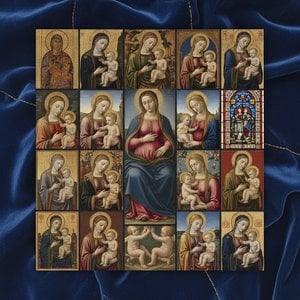
Embark on a sophisticated journey through art history with our curated guide to the most iconic Madonna and Child masterpieces. Discover the profound beauty, theological depth, and enduring legacy of these sacred Renaissance treasures.

 Önizleme yap
 Paylaş
 Paylaş
 Detayları Gör

 İndir
İndir
 Benzerlerini gör
 X-Işını
 Slayt Gösterisi
 Tümünü Gör







 Cam seçeneği yalnızca 110 cm altındaki boyutlar için mevcuttur.


