Hızlı üretim ve esnek bitiş seçenekleriyle müze kalitesinde giclée veya kanvas baskı. ( El Yapımı Tablo Satın Al Dijital Görsele Geç)





























Eserin orijinal oranlarıyla uyumlu, önceden belirlenmiş boyutlarımız arasından seçim yapın.

Çerçevenize veya duvarınıza uygun olması için ihtiyacınız olan genişlik ve yüksekliği yazın. Bir baskı yalnızca kesilebilir, görselden daha büyük hale getirilemez; bu nedenle farklı bir formdaki boyut seçimi, görselin bir kısmının kaybına neden olur. Herhangi bir baskı yapmadan önce onaylamanız için size bir dijital taslak gönderiyoruz. Bu sayfada gösterilen resim gerçek kesimi göstermez — bunu yalnızca taslak gösterir.
Dünya Çapında Teslimat (); standart 4/5 hafta yerine 2 haftada. (11 Kasım)
untitled (5728)
Reproduksiyon Boyutu
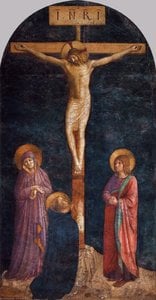
The painting before us, tentatively titled “untitled (5728)” by Fra Angelico, is a deeply moving depiction of the Nativity – a scene rendered with the serene grace and spiritual intensity that define this master of the Early Renaissance. While details regarding its precise origins remain elusive, the artwork’s power lies in its ability to transport the viewer to that pivotal moment of divine arrival, inviting contemplation on faith, hope, and the profound mystery of incarnation. The composition centers around the infant Jesus, cradled within a humble manger, his presence radiating a quiet luminosity amidst a gathering of figures who express reverence through gesture and posture. Kneeling worshippers and standing observers alike converge upon this sacred scene, their faces reflecting awe and devotion. A subtle inclusion – an animal, likely a horse, positioned to the left – adds a touch of earthly realism to the otherwise ethereal atmosphere.
Fra Angelico, born Giovanni da Fiesole around 1395 in Tuscany, was not merely a painter but a Dominican friar. This dual identity profoundly shaped his artistic vision. His work is characterized by a unique blend of devotional piety and burgeoning Renaissance techniques. Initially trained as an illuminator, meticulously decorating manuscripts within the monastery walls, Angelico honed skills in precise detail, vibrant color application, and delicate line work – qualities readily apparent in this Nativity scene. While influenced by contemporaries like Lorenzo Monaco, particularly in the elegance of form, and exposed to the groundbreaking perspective pioneered by Masaccio, Fra Angelico never abandoned his distinctly spiritual aesthetic. He didn’t seek merely to replicate reality; he aimed to reveal a glimpse of the divine through earthly forms.
The Nativity scene itself is rich in symbolic meaning. The manger, representing humility and simplicity, contrasts sharply with the profound significance of its occupant – the Son of God. The gathering figures symbolize the universality of Christ’s message, drawing together humanity from all walks of life to witness this miraculous birth. Fra Angelico's masterful use of light is particularly noteworthy. It isn’t a harsh or dramatic illumination, but rather a soft, ethereal glow that emanates from the infant Jesus, symbolizing his divine nature and illuminating the faces of those who worship him. This careful manipulation of light not only enhances the emotional impact of the scene but also reinforces its spiritual core. The presence of the animal, often interpreted as representing gentleness and the harmony between humanity and nature, further enriches the painting’s symbolic layers.
Though the specific date and original context of “untitled (5728)” remain unknown, its enduring appeal lies in its ability to evoke a sense of profound peace and spiritual contemplation. Fra Angelico's work consistently transcends mere artistic skill; it is an expression of unwavering faith and a testament to the power of art to connect us with something greater than ourselves. A reproduction of this painting would bring not only beauty but also a quiet, reverent atmosphere to any space – a reminder of hope, humility, and the enduring promise of divine grace. It’s a piece that invites introspection, offering a visual sanctuary in an often-turbulent world.
Fra Angelico, "untitled (5728)" adlı eserinde Acrylic On Canvas tekniğini kullanmıştır. Bu teknik, orijinal eserin maddi doğasını tanımlar.
"untitled (5728)", keten kanvas üzerine el boyaması yağlı boya reprodüksiyon olarak temin edilebilir. Farklı boyut seçenekleriyle birlikte siparişinizi El Boyası Reproduksiyon sayfasından verebilirsiniz.
Neutrals renkleri göz önüne alındığında, "untitled (5728)" adlı eserin bir Living Room için uygun olduğu önerilmektedir.

Mugello'da Guido di Pietro olarak dünyaya gelen ve ileride tüm dünyada Fra Angelico olarak tanınacak olan bu sanatçı, yaşamına Floransa yakınlarındaki Toskana tepelerinde başladı. 1395 yılı civarında Giovanni da Fiesole ismiyle bilinen sanatçının ilk yılları, bu bölgenin huzurlu ve dingin manzaralarıyla şekillendi. Genç Giovanni, zamanla Fiesole'deki Dominiken Tarikatı'na katılarak hayatında köklü bir değişim yaşadı. Bu seçim, onu bir din adamı olmayan bir birey olmaktan çıkarıp manastırın disiplinli ve derin tefekküre dayalı dünyasına taşıdı. İşte bu kutsal duvarlar arasında yeminlerini etti ve tarikatına olan bağlılığının bir nişanesi olarak Fra Angelico adını aldı.
Henüz bir duvarın karşısına geçip devasa bir fresk yapmaya başlamadan çok önce, vaktini çok daha küçük ve hassas işlere adıyordu. El yazması süsleme sanatında (minyatür) eğitim aldı. Bu uğraş, sarsılmaz bir el becerisi ve en küçük ayrıntılara odaklanmayı gerektiriyordu. Parşömen üzerine pigment uygulamayı, kutsal hikayeleri küçük ve titiz illüstrasyonlarla canlandırmak için metinlerle uyum içinde çalışmayı öğrendi. Bu erken dönemdeki titiz çalışma alışkanlığı, eserlerinin ölçeği büyüdükçe onun sanatının ayrılmaz bir parçası haline geldi.
Fra Angelico'nun ilk dönem eserleri, dönemin karakteristik özelliği olan zarif çizgisel yapıyı ve dekoratif desenleri yansıtan Lorenzo Monaco'nun izlerini taşır. Fırçasındaki bu erken dönem alışkanlıklar, el yazması süslemelerinin o titiz ve hassas dünyasına alışkın bir eli ele verir. Sanatçı daha geniş yüzeyleri boyulamaya başladıkça, bu dekoratif gelenekleri giderek artan bir naturalizmle harmanlamaya koyulmuştur. Perspektifin yeni kurallarını yalnızca derinlik yaratmak ya da fiziksel dünyayı taklit etmek için kullanmamış; aksine bu mekânsal araçları, izleyiciyi sessiz ve ruhani bir boşluğun içine çeken bir sürükleyicilik hissi yaratmak için birer enstrüman gibi kullanmıştır. Bir odanın geometrisi veya bir manzaranın gerileyen çizgileri, kutsal olanın hissedilebilir ve ulaşılabilir kılınmasının bir yolu haline gelmiştir.
Panel üzerindeki her bir seçim, bir Dominiken rahibi olarak sürdürdüğü yaşamıyla kopmaz bir bağ içindeydi. Sanatı, dini görevlerinden ayrı bir uğraş değil, inancının bir uzantısıydı. Bir figürü yerleştirme biçimi veya bir rengi seçişi, ilahi olanı dua niteliğindeki bir çalışma ile görünür kılma ihtiyacıyla şekilleniyordu. Manastır hayatı ile fırça darbeleri arasındaki bu derin bağ, tablolarının görsel birer meditasyon gibi işlev görmesini sağlıyordu. Dramatik gerilimden ziyade, konularının vakur ve sessiz onuruna odaklanarak, manastırın o dinginliğini yansıtan bir berraklık arayışındaydı.
Fra Angelico'nun elleri, devasa duvar yüzeyleriyle buluşmadan çok önce, el yazması süsleme sanatının o ince ve hassas dünyasında terbiye edilmişti. Bu erken dönem eğitimi, onun bakış açısında silinmez bir iz bıraktı ve en küçük ayrıntılara karşı derin bir saygı uyandırdı. Pigmentleri, izleyiciyi bir hikaye boyunca nasıl yönlendireceğini çok iyi biliyordu; titiz kompozisyonları sayesinde karmaşık anlatıları herkes için anlaşılır kılıyordu. Renk paleti; derin maviler, vakur altın sarıları ve keskin kırmızılar gibi kendi ışığını taşıyor gibi görünen berrak ve parlak tonlardan oluşuyordu. Bu renkleri yalnızca dekoratif bir amaçla değil, tablonun mekânı içerisinde ilahi bir berraklık hissi yaratmak için kullanıyordu.
Geçmişin düz ve statik düzenlemelerinden uzaklaşarak, lineer perspektifin kullanımında bir öncü oldu. Resimsel mekânı daha rasyonel bir şekilde ele alarak, figürlerine gerçek bir varlık kazandıran derinlik ve hacim duygusunu sanatına dahil etti. Bu etkiyi yaratmak için tempera ve fresk tekniklerinden yararlanan sanatçı, genellikle insan vücudunun formunu ve onu çevreleyen mimariyi vurgulayan bir ışıkla çalışıyordu. Eserlerinde fiziksel dünya ile ruhani alem, ışık ve gölgenin ustaca yönetimi sayesinde bir noktada buluşur.
Fra Angelico'nun eserlerinin büyük bir bölümü, Dominiken Tarikatı'nın manevi ihtiyaçlarından doğmuştur. Sanatçı, Floransa'daki San Marco Manastırı'nı dekore etmek için ömrünün önemli bir kısmını harcamış; burada avlu, şapel odası ve keşiş hücrelerinin girişleri için büyüleyici freskler işlemiştir. Bu kutsal görevler, manastırın yeniden inşasına finansal destek sağlayan Cosimo de' Medici'nin hamiliğiyle şekillenmiştir. Sanatçının bu titiz çalışmaları, duvarların ardında yaşayan keşişler için adeta görsel bir vaaz niteliği taşımaktaydı.
Onun sanatsal etkisi, manastırın sessiz duvarlarını aşarak dini otoritenin kalbine, Roma'ya kadar uzanmıştır. Roma'da, Papa IV. Eugene ve V. Nicholas'ın yetkisi altında önemli siparişler almış; bu projeler sanatçının fırçasını papalık makamının hizmetine sunarak, varlığını Toskana tepelerinin ötesine taşımıştır. Ayrıca, Santa Trinita Kilisesi için hazırlanan Strozzi Sunak Tablosu üzerinde de çalışmış; bu zorlu görev, aslında başka bir sanatçı tarafından başlatılmış olan devasa bir siparişi tamamlamasını gerektirmiştir.
Fra Angelico'nun eserlerinin etkisi, Dominiken manastırının duvarlarını çok aşan bir derinliğe ulaştı. Resme olan yaklaşımı, Erken Rönesans döneminde kendisinden sonra gelen sanatçı nesilleri üzerinde silinmez bir iz bıraktı. Dönemin ilk biyografi yazarları bile onun yaratımlarının eşsiz niteliğini fark etmiş, yeteneğinin kelimelerle tam olarak tarif edilemeyecek bir seviyede olduğunu not düşmüşlerdir. O, on beşinci yüzyılın dünyasında sadece bir zanaatkâr olarak değil, fırçası dualarının bir uzantısı olan bir adam olarak yürümüştü.
Hayatı, zamanla tuvalden kilisenin resmi onayına uzanan derin bir bağlılıkla mühürlendi. 1982 yılında Papa II. Ioannes Paulus, onun yaşamındaki kutsallığı kabul ederek onu beatifi ilan etti. Bu manevi takdir, aynı Papa'nın 1984 yılında onu sanatçıların koruyucu azizi ilan etmesiyle devam etti. Fra Angelico'nun varlığı, bir zamanlar yaşadığı ve çalıştığı manastırların sessiz köşelerinde hala hissedilmeye devam ediyor; geride incelenmeye ve hayranlık duyulmaya devam eden görsel bir inanç dili bırakıyor.
Fra Angelico'nun eserlerini, asıl varlık amacına uygun olan o kutsal atmosferde görmek için Floransa'daki Museo Nazionale di San Marco'yu ziyaret etmek gerekir. Manastır, sanatçının bizzat yaşadığı ve dua ettiği duvarlar için yarattığı pek çok tablo ve freskten oluşan devasa bir koleksiyona ev sahipliği yapmaktadır. Bu mekanda yürürken, revaklarda ve hücrelerde onun elinin o sessiz ve vakur izlerine rastlarsınız; burası sanat ile mimarinin kopmaz bir bağla birbirine kenetlendiği nadir yerlerden biridir.
Sanatçının diğer önemli eserleri ise Toskana tepelerinden çok uzaklara uzanmıştır. Paris'te, Louvre Müzesi onun en önemli tablolarından birkaçına ev sahipliği yapmaktadır. Londra'daki National Gallery da, renk ve ışık kullanımını yakından incelemeye olanak tanıyan seçkin bir eser koleksiyonuna sahiptir. Madrid'de ise Museo del Prado, kutsal bir sahneyi yapılandırılmış bir mekan içerisinde düzenleme becerisini sergileyen müthiş bir Annunciation eserini barındırır. Daha kuzeye seyahat edenler için ise Saint Petersburg'daki Hermitage Müzesi, yaklaşık 1418 yılına tarihlenen Madonna of Humility tablosuna ev sahipliği yapmaktadır.

1395 - 1455 , İtalya

Explore the profound mastery of fresco painting, from the technical alchemy of buon fresco to the legendary narratives of Renaissance masters like Ghirlandaio. Discover how this timeless medium shaped art history and continues to inspire architectural grandeur today.

Discover the timeless art of fresco painting. Explore the profound history, technical mastery of buon fresco, and the enduring legacy of Renaissance masters like Michelangelo in this expert guide to painting on wet plaster.

Embark on a profound journey through the ethereal masterpieces of Fra Angelico. Discover the spiritual depth, divine light, and technical brilliance of the 'Angelic Painter' in this expert exploration of Early Renaissance devotion and sacred art history.
 Gerçek Boyutta Önizle
 Paylaş
 Paylaş
 Detayları Gör
 Rehber

 İndir
İndir
 Benzer ürünler
 X-Işını
 Slayt Gösterisi
 Soru & Cevap
 İstatistikler

 Tümünü Gör









 Cam seçeneği yalnızca 110 cm altındaki boyutlar için mevcuttur.