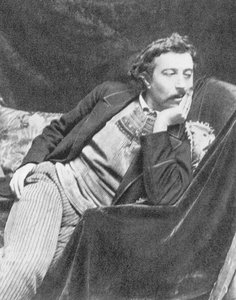
Cesur Fırça Darbeleriyle Boyanmış Bir Hayat: Paul Gauguin'in Dünyası
Canlı renkler ve asi bir ruhla yankılanan bir isim olan Eugène Henri Paul Gauguin, Empresyonizmden modern sanata geçişte kilit bir figür olarak durmaktadır. 1848 yılında Paris'te doğan hayatı, alışılmışın çok dışındaydı. İlk yılları sıra dışı bir yetiştirilme tarzıyla şekillendi; babası bir gazeteci, annesi ise Peru aristokrasisinden geliyordu. Annesinin büyükannesi Flora Tristan, idealleri kuşkusuz aile içinde yankı bulan öncü bir feminist ve sosyalist yazardı. Bu miras, Gauguin'in sanatsural vizyonunu derinden şekillendirerek onda Avrupa'nın ötesindeki kültürlere karşı bir hayranlık uyandırdı. 1850 yılında ailesinin taşınmasıyla çocukluk dönemini Peru'da geçirmesi, onu Paris toplumundan çok farklı bir dünyaya daldırdı; bu deneyim zihninde yer etti ve nihayetinde sanattaki özgünlük arayışunu körükledi. Babasının ölümünden sonra Fransa'ya dönen Gauguin, resmi bir eğitim alsa da kendini akademiye değil, gelişmekte olan finans dünyasına kaptırdı ve bir borsa komisyoncusu olarak kariyerine başladı; bu yol, onu bekleyen sanatsal kaderle görünüşte tamamen çelişiyordu.
Finanstan Sanatsal Çağrıya
Yıllarca Gauguin, bir yandan iş girişimlerini titizlikle sürdürürken diğer yandan gizlice resim tutkusunu beslediği çift yönlü bir hayat yaşadı. Başlangıçta Empresyonistlerden etkilenmiş, boş zamanlarında renk ve ışıkla deneyler yapmaya başlamıştı; ancak kısa süre sonra onların gerçekliğin uçucu anlarını yakalamaya olan bağlılıkları tarafından kısıtlanmış hissetti. 1882 yılındaki finansal kriz bir dönüm noktası oldu ve onu kazançlı kariyerini terk ederek sanatsal çağrısını tüm kalbiyle kucaklamaya zorladı. Bu sadece bir meslek değişikliği değildi; dünya görüşünde köklü bir değişimdi. Gelişimini teşvik eden ve onu Paris'in avangart çevreleriyle tanıştıran Camille Pissarro'dan rehberlik aradı. Ancak Gauguin, kısa sürede Empresyonist ilkelere sapmaya başladı; daha dışavurumcu, daha sembolik bir şeyin, sadece *gördüğünü* değil, aynı zamanda *hissettiğini* aktarmanın bir yolunun özlemini duyuyordu. Bu arzu, onu Paris salonlarının çok ötesine ve "ilkel" kültürlerin kalbine götürecek sanatsal bir keşif yolculuğuna çıkardı. Bu kültürleri sadece betimlemekla ilgilenmiyordu; Batı medeniyetinde kaybolan bir saflığı barındırdıklarına inanarak, onların özünü özümsemeye çalışıyordu.
Bretanya ve Tahiti'nin Çağrısı
Gauguin'in sanatsal evrimi, seyahatleriyle ayrılmaz bir şekilde bağlantılıydı. Bretanya'da zaman geçirdi, buranın engebeli manzaralarına ve halkının köklü geleneklerine hayran kaldı. Bu dönemde düzleştirilmiş formlar, belirgin dış hatlar ve kompozisyonun basitleştirilmesi üzerine deneyler yaptı; bu teknikler onu natüralizmden uzaklaştırıp daha sembolik bir dile yaklaştırdak. Ancak asıl yaratıcı potansiyelini serbest bırakan, 1891'deki Tahiti yolculuğu oldu. Avrupa medeniyetinin boğucu kısıtlamalarından kaçış arayan Gauguin, Polinezya kültürünün daha saf ve otantik bir yaşam biçimi sunduğuna inanarak burada ilham bulmayı umuyordu. Bu sadece sanatsal bir uğraş değil, ruhsal bir arayıştı. Kendini yerel geleneklere ve inançlara adadı; Polinezya kadınlarını, manzaralarını ve dini pratiklerini kendine özgü merceğinden resmetti. Japon baskılarından —
Japonizm— ve Orta Çağ sanatından etkilenerek; canlı renkler, egzotik konular ve gizemli bir hava ile karakterize edilen özgün bir estetik geliştirdi.
“Vahine no te miti” (Mangolu Kadın),
“Manao Tupapau” (Ölülerin Ruhu Tarafından İzlenen) ve
“Tanrıların Günü” gibi ikonik tablolar bu dönemde ortaya çıkarak bir vizyoner sanatçı olarak ününü pekiştirdi. Renk kullanımı giderek daha cesur ve doğal olmayan bir hal aldı; amacı gerçekliği kopyalamak değil, duyguyu ve ruhsal anlamı ifade etmekti.
Miras ve Tartışmalar
Sanatsal atılımlarına rağmen, Gauguin'in hayatı sık sık zorluklarla damgalandı. Tahiti'de ve daha sonra yerleştiği Markiz Adaları'nda maddi sıkıntılar ve azalan sağlıkla mücadele etti. Yine de, yaşam, ölüm ve maneviyat temalarını durmaksızın keşfederek üretken bir şekilde resim yapmaya devam etti. 1903 yılında, Markiz takımadalarındaki uzak bir ada olan Hiva Oa'da, dehası büyük ölçüde tanınmadan hayata gözlerini yumdu. Gauguin'in eserleri ancak ölümünden sonra hak ettiği takdiri görmeye başladı. Bugün, Empresyonizm ile Sembolizm arasında köprü kuran ve Fovizm gibi akımların yolunu açan, modern sanatın gelişiminde kilit bir figür olarak anılmaktadır. Renk kullanımı, basitleştirilmiş formları ve sembolik imgeleri; Pablo Picasso, Henri Matisse ve sayısız başka sanatçıyı derinden etkiledi. Bununla birlikte Gauguin, kişisel hayatının bazı yönleri —özellikle genç Polinezya kadınlarıyla olan ilişkileri— nedeniyle tartışmalı bir figür olmaya devam etmektedir; bu konular günümüzün etik değerlendirmeleri ışığında tartışılmaya ve yeniden yorumlanmaya devam ediyor. Yine de sanatsal katkıları yadsınamaz ve mirası dünya çapındaki sanatçıları ve sanatseverleri ilham vermeye devam etmektedir. O, geleneklere meydan okumaya ve kendi yolunu çizmeye cüret eden gerçek bir yenilikçi, ardında kendisi kadar büyüleyici ve gizemli bir eser külliyatı bırakan bir asiydi.
Temel Etkiler ve Sanatsal Özellikler
- Empresyonizm: Renk ve ışık üzerindeki erken dönem etkisi; daha sonra gerçekliğin uçuculuğuna odaklanması nedeniyle reddedildi.
- Japonizm: Düzleştirilmiş perspektiflere, belirgin dış hatlara ve dekoratif desenlere ilham verdi.
- Orta Çağ Sanatı: Sembolik imgeleri ve katı gerçekçiliğin reddini etkiledi.
- Sentezizm (Synthetism): Gauguin tarafından geliştirilen, sanatı nesnel gözlemden ziyade öznel deneyime dayalı olarak oluşturmayı vurgulayan bir tarz.
- İlkelcilik (Primitivism): Batı dışı kültürlerin daha otantik ve ruhsal bir yaşam biçimi sunduğuna inanarak onlara duyulan hayranlık; bu durum konularına ve üslup tercihlerine yansımıştır.



 Önizleme yap
 Baskı Moduna Geç
 Paylaş
 Paylaş
 Detayları Gör

 İndir
İndir
 Benzerlerini gör
 X-Işını
 Slayt Gösterisi
 İstatistikler
 Tümünü Gör






































 Cam seçeneği yalnızca 110 cm altındaki boyutlar için mevcuttur.