


Hızlı üretim ve esnek bitiş seçenekleriyle müze kalitesinde giclée veya kanvas baskı. ( El yapımı tablo satın al Görsel satın al)





























Eserin orijinal oranlarıyla uyumlu, önceden belirlenmiş boyutlarımız arasından seçim yapın.

Belirli bir çerçeveye veya alana uyması için kendi ölçülerinizi girebilirsiniz. Seçtiğiniz boyut orijinal görüntünün oranlarıyla eşleşmiyorsa, sanat eserini kırpacağız veya görüntüyü aynalanmış ya da düz dolgulu bir kenarlıkla genişleteceğiz. Üretim başlamadan önce onayınız için bir dijital taslak gönderilecektir.
Lütfen ekrandaki önizlemenin gerçek kırpma veya genişletmeyi yansıtmadığını unutmayın. Nihai kompozisyonu yalnızca taslak doğru bir şekilde gösterecektir.
Özel boyutlar mevcut olsa da, orijinal oranları korumak için önceden tanımlanmış listeden bir boyut seçmenizi öneririz.
Dünya Çapında Teslimat (); standart 4/5 hafta yerine 2 haftada. (7 Eylül)


Rouen, Spring
Reproduksiyon Boyutu
Paul Gauguin’s “Rouen, Spring,” painted in 1884, stands as a cornerstone of Post-Impressionism—a movement that dared to reject the fleeting impressions of light favored by its predecessors and instead embraced subjective emotion and expressive color. More than just a depiction of a Rouen streetscape, it's an embodiment of Gauguin’s artistic philosophy: a deliberate attempt to capture not merely what he saw but what he felt.
“Rouen, Spring” presents a deceptively simple scene: a solitary tree dominating the foreground against a brick building backdrop. Yet, Gauguin’s masterful technique elevates this commonplace subject into an arresting visual experience. He employed bold brushstrokes—characteristic of Synthetist style—to build up layers of color and texture, creating a palpable sense of atmosphere. The artist skillfully utilized complementary colors—greens and reds—to heighten the vibrancy of the composition and draw the viewer’s eye across the canvas.
Painted during Gauguin’s Tahitian period, “Rouen, Spring” reflects his desire to transcend mere representation and delve into deeper psychological truths. The tree itself—a recurring motif in Gauguin's oeuvre—represents resilience and spiritual growth—themes central to Symbolist thought. Its branches reaching upwards symbolize aspiration and connection with the divine, while its foliage embodies fecundity and renewal.

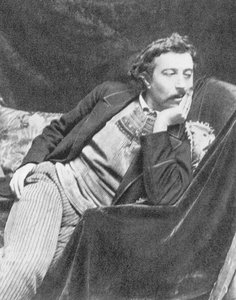
1848 - 1903 , Fransa

Master the nuances of Impressionism vs. Post-Impressionism with our expert guide. Explore the revolutionary shift from Monet’s fleeting light to Van Gogh’s emotional depth. Discover how these iconic movements continue to inspire fine art collectors and modern interiors today.

Unveil the profound revolution of Post-Impressionism. Explore how masters like Van Gogh and Cézanne utilized bold colors and emotional depth to transcend mere representation, laying the foundation for modern art. A sophisticated journey through history's most emotive brushstrokes.

Explore the transformative era of Post-Impressionism. Discover how masters like Cézanne and Matisse revolutionized color and form, moving beyond Impressionism to shape modern art history through structural innovation and expressive emotion.

Explore the vibrant evolution of Post-Impressionism. From Seurat's revolutionary Pointillism to the emotional depth of masters, discover how this movement redefined modern art history through color, structure, and unparalleled creative expression.

Delve into the vibrant world of Paul Gauguin. Explore his revolutionary use of color, Tahitian symbolism, and the profound impact of tropical primitivism on Post-Impressionism through an expert art-historical lens.

 Önizleme yap
 Paylaş
 Paylaş
 Detayları Gör

 İndir
İndir
 Benzerlerini gör
 X-Işını
 Slayt Gösterisi

 Tümünü Gör







 Cam seçeneği yalnızca 110 cm altındaki boyutlar için mevcuttur.


