ÜCRETSİZ SANAT DANIŞMANLIĞI

x
Tabloyu Sipariş Et Tabloyu Sipariş EtGörseli Satın Al Görseli Satın Al PaylaşPaylaş
DetaylarDetaylar Favorilere ekle Favorilere ekle İndirİndir Benzerlerini görBenzerlerini gör X-IşınıX-Işını Slayt GösterisiSlayt Gösterisi

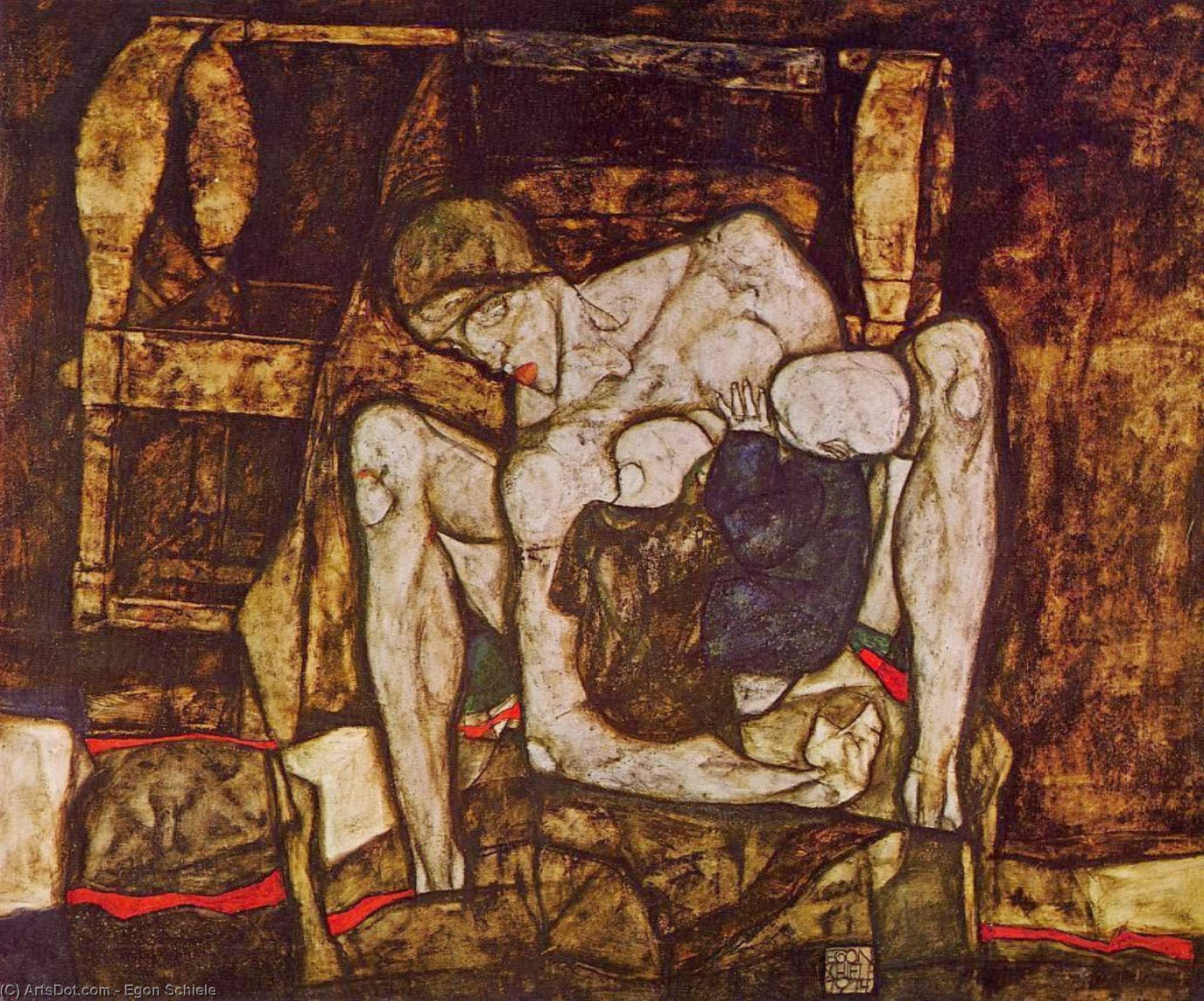
Blind Mother

Egon Schiele’nin eserlerinde ölüm, cinsellik ve yalnızlık gibi karanlık konuları cesurca ele aldığına dikkat edin. Ekspresyonizm tarzıyla öne çıkan sanatçı Gustav Klimt'ten etkilenmiş ve insan ruhunun karmaşıklığını keşfetmek için biçimsel yenilikleri benimsemiştir.

Giclée / Sanat Baskısı

Hızlı üretim ve esnek bitiş seçenekleriyle müze kalitesinde giclée veya kanvas baskı.

Standard
custom
CM
INCH

Eserin orijinal oranlarıyla uyumlu, önceden belirlenmiş boyutlarımız arasından seçim yapın.

genişlik
yükseklik

Belirli bir çerçeveye veya alana uyması için kendi ölçülerinizi girebilirsiniz. Seçtiğiniz boyut orijinal görüntünün oranlarıyla eşleşmiyorsa, sanat eserini kırpacağız veya görüntüyü aynalanmış ya da düz dolgulu bir kenarlıkla genişleteceğiz. Üretim başlamadan önce onayınız için bir dijital taslak gönderilecektir.
Lütfen ekrandaki önizlemenin gerçek kırpma veya genişletmeyi yansıtmadığını unutmayın. Nihai kompozisyonu yalnızca taslak doğru bir şekilde gösterecektir.
Özel boyutlar mevcut olsa da, orijinal oranları korumak için önceden tanımlanmış listeden bir boyut seçmenizi öneririz.

Dünya Çapında Teslimat (); standart 4/5 hafta yerine 2 haftada. (5 Temmuz)

why_choose_icon
Dünya Çapında Ücretsiz Ekspres Kargo
why_choose_icon
Yüksek Kaliteli Keten Tuval
why_choose_icon
Tam Kapsamlı Nakliye Sigortası
why_choose_icon
Gümrük Vergisi İade Garantisi
why_choose_icon
Gerçek Renk Uyumu Garantisi
why_choose_icon
60 Günlük İade Politikası (Sadece Kusurlu Ürünler İçin)
why_choose_icon
%100 Para İade Garantisi
why_choose_icon
Toplu Alım İndirimi

Toplam Fiyat

-

reproduction

Blind Mother

Giclée / Sanat Baskısı

Reproduksiyon Boyutu

-

Toplam Tutar

-

Hızlı Bilgiler

  • Artist: Egon Schiele
  • Movement: Expressionism
  • Notable elements or techniques: Bold lines, vibrant colors
  • Artistic style: Distorted forms
  • Subject or theme: Motherhood, Vulnerability
  • Influences: Symbolism
  • Year: 1914

Sanat Bilgisi Testi

Her soru için yalnızca bir doğru cevap bulunmaktadır.

Soru 1:
What artistic movement is Egon Schiele’s ‘Blind Mother’ primarily associated with?
Soru 2:
The painting depicts a woman nursing her child. What stylistic characteristic is prominent in Schiele's depiction of the figures?
Soru 3:
What was a significant cultural shift occurring during the early 20th century that influenced Schiele’s artistic approach?
Soru 4:
How does Schiele utilize light in ‘Blind Mother’?
Soru 5:
‘Blind Mother’ exemplifies Expressionist art's focus on conveying what?

Eser Açıklaması

A Tender Moment Captured in Expressionist Brilliance: Exploring Egon Schiele’s “Blind Mother”

Egon Schiele's "Blind Mother," painted in 1914, stands as a hauntingly beautiful testament to the anxieties and passions simmering beneath the surface of early 20th-century Vienna. More than just a depiction of maternal care, it’s an emblem of Expressionist art—a movement that prioritized emotional truth over photographic realism—and delves into profound themes of vulnerability, loss, and the inescapable awareness of mortality. The painting immediately draws the eye with its stark simplicity: a woman seated on a chair cradling her child, enveloped in soft light against a backdrop of muted tones. Yet, beneath this apparent tranquility lies an unsettling dynamism conveyed through Schiele’s masterful use of line and color.

Composition and Technique – Distortion as Revelation

Schiele's technique is characterized by bold, angular lines that sculpt the figures with palpable tension. Unlike traditional portraiture which strives for idealized beauty, Schiele deliberately distorts proportions—elongated limbs, flattened faces—creating a visual language that reflects inner turmoil. This distortion isn’t merely stylistic; it serves as a crucial mechanism for conveying psychological states. The chair itself is rendered in detail, grounding the scene but simultaneously emphasizing the woman's confinement and perhaps hinting at an unspoken burden. Notice how Schiele employs a palette dominated by earthy browns and ochres—colors that evoke warmth yet simultaneously convey a sense of solemnity. These hues contribute to the painting’s overall mood, mirroring the quiet desperation inherent in the depicted relationship.

Historical Context: Modernism's Embrace of Emotion

“Blind Mother” emerged during a period of seismic cultural shifts – the dawn of Modernism—as Europe wrestled with secularization and the burgeoning influence of scientific thought. Artists like Schiele rejected academic conventions, rejecting the pursuit of objective representation in favor of subjective experience. Expressionist painters sought to capture not what they *saw*, but what they *felt*. The anxieties surrounding impending war, coupled with a growing awareness of psychological complexities, fueled this artistic impulse. Schiele’s work reflects these concerns directly, mirroring the broader cultural preoccupation with confronting uncomfortable truths about human existence.

Symbolism – Light and Darkness: A Dialogue of Emotion

The soft, diffused light bathing the scene is deliberately paradoxical. It suggests comfort and intimacy—the nurturing warmth of motherhood—yet simultaneously casts shadows that conceal unspoken anxieties. This interplay between light and darkness isn’t accidental; it symbolizes the duality inherent in human experience—the balance between joy and sorrow, hope and despair. The child's gaze, averted from the viewer, adds to this sense of vulnerability and reinforces the painting’s core message: a poignant reminder that even amidst tenderness, there exists an awareness of fragility and impending loss.

Legacy and Relevance Today – Inspiration Beyond Time

“Blind Mother” continues to resonate powerfully with contemporary audiences because it speaks directly to universal themes of love, grief, and the human condition. Its influence can be seen in countless artistic endeavors—from film noir to abstract expressionism—demonstrating Schiele’s enduring ability to capture the essence of emotion with uncompromising honesty. The Imperial War Museum showcases artworks grappling with similar anxieties surrounding conflict and trauma, underscoring the painting's timeless relevance as a meditation on human vulnerability and resilience. A reproduction of “Blind Mother” offers not merely an aesthetic pleasure but also an invitation to contemplate these profound questions—a beautiful reminder that art can illuminate the darkest corners of our inner lives.

Sanatçı Özgeçmişi

A Life Forged in Expression

Born in 1890 in Tulln an der Donau – a picturesque region with vineyards, onion-domed towers and Baroque monasteries – Egon Schiele’s life was a tempestuous journey marked by both extraordinary artistic vision and profound personal hardship. His early years were shadowed by illness and loss; his father succumbed to syphilis when Egon was just fourteen, a tragedy that would deeply resonate within his work, fueling an obsession with mortality and the fragility of existence. Raised initially by his mother and then under the somewhat controlling guardianship of his uncle Leopold Czihaczek, Schiele’s childhood lacked conventional stability but fostered a fiercely independent spirit. Even as a boy, he displayed an intense fascination with trains—a motif that subtly reappeared in later paintings—and a burgeoning talent for drawing, though this was initially met with disapproval from his father who saw it as a distraction from more practical pursuits. The early death of his sister Elvira also cast a long shadow over the young artist’s psyche. These formative experiences instilled within him a sensitivity and an emotional rawness that would become hallmarks of his artistic expression, a constant grappling with themes of life, death, and the human condition.

Early Influences & Artistic Training

Schiele's formal artistic training began at the Kunstgewerbeschule (School of Arts and Crafts) in Vienna, but he quickly found itself stifled by its conservative approach. He transferred to the Akademie der bildenden Künste (Academy of Fine Arts), only to become further disillusioned with its rigid academic traditions. This dissatisfaction led him to abandon formal training altogether, choosing instead to forge his own path—a testament to his unwavering artistic conviction. The influence of Gustav Klimt was pivotal during these early years; Schiele admired Klimt’s decorative style and exploration of symbolism, even receiving mentorship from the established artist. Klimt's bold use of color and stylized forms captivated young Schiele, shaping his aesthetic sensibilities and inspiring him to experiment with innovative techniques. However, Schiele soon diverged from Klimt's aesthetic, developing a distinctly individual voice characterized by its stark honesty and psychological intensity.

Vienna Secession & Artistic Breakthrough

Schiele joined the Vienna Secession in 1907 alongside fellow artists like Gustav Klimt, Oskar Kokoschka, and Josef Maria Olbrich—a group that championed artistic freedom and challenged the prevailing conservative values of Viennese society. The Secession’s manifesto declared a rejection of academic conventions and an embrace of expressive art as opposed to mere imitation of nature. This commitment to innovation profoundly impacted Schiele's artistic development, propelling him toward experimentation with new materials and techniques—particularly etching and lithography—that allowed him to convey emotion and psychological complexity in ways that traditional painting could not.

Major Themes & Artistic Style

Schiele’s art is immediately recognizable for its raw honesty and psychological depth. He fearlessly confronted themes often considered taboo – sexuality, death, anxiety, isolation – with an unflinching gaze. His distinctive style features elongated figures, contorted poses, and expressive lines that convey a sense of unease and emotional intensity. The human form, particularly the nude, became his primary subject, not as an object of idealized beauty but as a vessel for exploring the complexities of human experience. Schiele didn’t shy away from depicting himself in unflattering or vulnerable poses, revealing a profound level of self-awareness and introspection. Beyond self-portraiture, Schiele created numerous portraits of others, capturing their likenesses with an unsettling realism that seemed to penetrate beneath the surface. His landscapes, while less central to his work than his figurative paintings, demonstrate his mastery of form and color, often reflecting the same emotional intensity as his portraits. The use of line is particularly striking in Schiele’s work; it's not merely a tool for defining shape but an expressive force that conveys emotion and psychological tension.

Legacy & Influence

Despite facing censorship and legal challenges – including a brief imprisonment for allegedly corrupting minors with his art – Schiele gained recognition within Vienna’s avant-garde circles. His work challenged the conventions of the time, provoking both admiration and outrage. By the time of his untimely death during the Spanish flu pandemic in 1918 at the age of twenty-eight, he had established himself as a leading figure in Austrian Expressionism. Significant works such as Self-Portrait with Physalis, Couple Embracing, and Field Landscape (Kreuzberg near Krumau) stand as testaments to his artistic genius. His influence on subsequent generations of artists is undeniable, particularly those interested in exploring psychological themes and challenging conventional artistic norms. Schiele’s bold approach to form and subject matter continues to resonate with audiences today, making him one of the most important and influential figures in early 20th-century art. His paintings are now held in major museum collections worldwide, ensuring his artistic legacy endures.

Egon Şiele

Egon Şiele

1890 - 1918 , Avusturya

Kısa Bilgiler

  • Artistic Movement Or Style: İkinci Ekspresyonizm
  • Artists Or Movements Influenced By This Artist: ['Ekspresyonizm']
  • Artists Who Influenced This Artist: ['Gustav Klimt']
  • Date Of Birth: 12 Haziran 1890
  • Date Of Death: 31 Ekim 1918
  • Full Name: Egon Schiele
  • Nationality: Avusturyalı
  • Notable Artworks:
    • Portre
    • Çift Embracing
    • Kreuzberg Manzarası
  • Place Of Birth: Tulln, Avusturya
Temalara, stillere ve özelliklere göre düzenlenmiş sanat eserlerini keşfedin.