


Hızlı üretim ve esnek bitiş seçenekleriyle müze kalitesinde giclée veya kanvas baskı. ( El Yapımı Tablo Satın Al Dijital Görsele Geç)





























Eserin orijinal oranlarıyla uyumlu, önceden belirlenmiş boyutlarımız arasından seçim yapın.

Çerçevenize veya duvarınıza uygun olması için ihtiyacınız olan genişlik ve yüksekliği yazın. Bir baskı yalnızca kesilebilir, görselden daha büyük hale getirilemez; bu nedenle farklı bir formdaki boyut seçimi, görselin bir kısmının kaybına neden olur. Herhangi bir baskı yapmadan önce onaylamanız için size bir dijital taslak gönderiyoruz. Bu sayfada gösterilen resim gerçek kesimi göstermez — bunu yalnızca taslak gösterir.
Dünya Çapında Teslimat (); standart 4/5 hafta yerine 2 haftada. (8 Kasım)
The Haymaker
Reproduksiyon Boyutu
Edvard Munch’s “The Haymaker,” completed in 1916, stands as a cornerstone of Expressionist art—a movement born from the turbulent anxieties of early 20th-century Europe. More than just a depiction of agricultural labor, this painting delves into profound psychological depths, capturing not merely what is seen but what is felt. Munch’s masterful use of color and brushstroke embodies the core tenets of Expressionism: prioritizing subjective experience over objective representation.
Expressionist artists rejected the conventions of Impressionism and Naturalism, rejecting a faithful rendering of the external world. Instead, they sought to convey inner emotions—fear, despair, joy—directly onto the canvas. Munch’s artistic lineage extends back to Symbolists like Gustave Moreau and Vincent van Gogh, who similarly prioritized emotional resonance over literal accuracy. This stylistic choice wasn't merely aesthetic; it reflected a broader cultural preoccupation with psychological states during a period marked by societal upheaval.
"The Haymaker" portrays a solitary farmer diligently plowing his field under a hazy sky, surrounded by lush greenery and ripening haystacks. The composition is deliberately unsettling; Munch employs a flattened perspective that diminishes depth, intensifying the sense of isolation and vulnerability. Notice the muted palette—dominated by earthy browns and greens—which contributes to the painting’s melancholic atmosphere. However, it's not merely color that communicates emotion; Munch’s bold, agitated brushstrokes convey a palpable tension.
The figure of the haymaker himself is rendered with understated dignity but also with an air of quiet desperation. His posture exudes weariness, hinting at the burdens of labor and perhaps reflecting Munch’s own anxieties about mortality. The horse-drawn plow symbolizes tradition and toil—elements that Munch juxtaposes against the vastness of the landscape to underscore the insignificance of human endeavor in the face of existential concerns. Recurring motifs like the hazy sky – a symbol of uncertainty and impending doom – reinforce this overarching theme.
"The Haymaker" resonates powerfully with other Expressionist masterpieces, notably Vincent van Gogh’s “Field with Ploughman” and George Heidrik Breitner's "An Elegant Lady Strolling along a Canal in Amsterdam." These artists shared Munch’s commitment to capturing the emotional core of their subjects—a legacy that continues to inspire contemporary artists. Reproductions of “The Haymaker,” available at WahooArt.com, offer an opportunity to experience this iconic artwork firsthand and appreciate its enduring power to evoke contemplation and emotion.
Edvard Munch imzalı "The Haymaker" eserinin kontrast seviyesi Bold'dır.
"The Haymaker", keten kanvas üzerine el boyaması yağlı boya reprodüksiyon olarak temin edilebilir. Farklı boyut seçenekleriyle birlikte siparişinizi El Boyası Reproduksiyon sayfasından verebilirsiniz.
"The Haymaker" eserinin Melancholic duygusu, Expressionism üslubuyla birleşiyor.


1863 - 1944 , İsveç
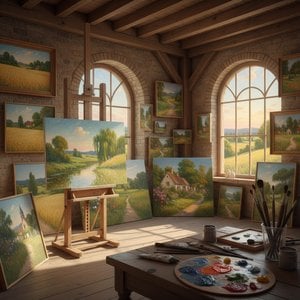
Discover the profound tranquility of rural art through an expert exploration of Impressionist landscapes. From pastoral scenes to textured oil masterpieces, learn how timeless nature-inspired artworks bring enduring elegance and serenity to sophisticated collectors.
 Gerçek Boyutta Önizle
 Paylaş
 Paylaş
 Detayları Gör
 Rehber

 İndir
İndir
 Benzer ürünler
 X-Işını
 Slayt Gösterisi
 Soru & Cevap
 İstatistikler

 Tümünü Gör









 Cam seçeneği yalnızca 110 cm altındaki boyutlar için mevcuttur.


