Sanatçı Özgeçmişi
Gölgelerin İçindeki Yaşam: Edvard Munch'un Dünyası
Edvard Munch, 1863’te Norveç’in sert manzaraları arasında doğmuş bir sanatçıydı ve eserleri modern çağın kaygılarıyla ve duygusal çalkantısıyla özdeşleşti. Hayatı, kayıplarla ve derin bir melankoli hissiyle derinden izlenmiş, onun derinlemesine etkileyici sanatının kaynağı oldu. Annesi ve kız kardeşinin tüberkülozdan dolayı erken yaşta ölümüyle gölgelenen çocukluğu, Munch’un ölümcüllük, hastalık ve insan varoluşunun kırılganlığıyla ilgili rahatsız edici bir takıntısı geliştirmesine yol açtı. Babasının katı dini inançları ve kendi zihinsel sağlık sorunlarıyla mücadelesi de Munch'un dünyasını sarmış olan dehşet hissine katkıda bulunarak hem kişisel hayatını hem de resimlerinin sembolik dilini şekillendirdi. Munch sadece sahneleri betimliyor değildi; içsel bir durumu dışa vuruyor, psikolojik sıkıntıyı görsel forma çeviriyordu.
İfadeye Doğru: Etkiler ve Sanatsal Gelişim
Munch’un sanatsal yolculuğu, Kristiania (Oslo) şehrindeki Kraliyet Sanat ve Tasarım Okulu'ndaki resmi eğitimle başladı ancak Hans Jæger’in bohem çevrelerle ve nihilist felsefesiyle karşılaşması yaratıcılığını gerçekten ateşledi. Jæger, Munch’u geleneksel akademik stillerden vazgeçirmesini ve bunun yerine kendi öznel deneyimlerinin derinliklerine dalmasını teşvik etti; bu kavramı “ruh resmi” olarak adlandırdı. Bu dönüm noktası, Munch'un kendine özgü tarzının başlangıcını işaret etti – ham duygu, çarpık formlar ve doğalcı temsili reddetme ile karakterize edilen bir stil. 1890’larda Paris’e yaptığı seyahatler onu yükselen Post-İmpresyonist hareketle tanıştırdı; burada Paul Gauguin, Vincent van Gogh ve Henri de Toulouse-Lautrec gibi sanatçılardan etkilenerek renklerin cesur kullanımı, ifade edici fırça darbeleri ve psikolojik yoğunluk gibi unsurları özümsedi. Bu ustaların etkisiyle Munch’un kendi sanatsal eğilimleri derinlemesine yankı buldu. O sadece tekniklerini taklit etmiyor; onu kendi benzersiz bir diline – en derin ve rahatsız edici insan duygularını iletme kapasitesine sahip bir dile dönüştürüyordu. Berlin'deki zamanı da hayati önem taşıdı, August Strindberg gibi oyun yazarlarla tanışmasını sağlayarak Munch’un sanatsal araştırmalarını daha da körükledi.
İkonik Vizyonlar: Başlıca Eserler ve Sembolik Ağırlıkları
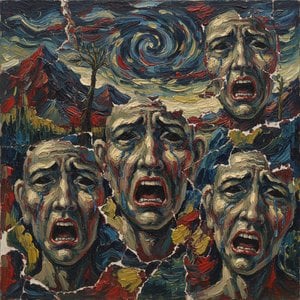
Munch'un yapıtı, kolektif bilinçte derin izlenim bırakan görüntülerle dolu. Belki de en ikonik eseri olan Çığlık, bir resmin ötesine geçerek varoluşsal kaygının evrensel bir sembolü haline geldi. Dönen, ateşli manzara ve figürün bükülmüş yüzü, evrenin ilgisizliğine karşı ilkel bir çığlığı somutlaştırıyor. Madonna, tartışmalı ve derinlemesine kişisel bir eser, cinsellik, annelik ve ölüm temalarını rahatsız edici bir dürüstlükle araştırıyor. Kardeşi Sophie'nin kaybından esinlenen tekrar eden motifler olan Hasta Çocuk, Munch’un çocukluk travmasına ve ölümün her zaman var olan gölgesine dokunaklı hatırlatıcılar sunuyor. Derin keder ve izolasyon tasvirleri olan Melankoli I & II, hem derinlemesine kişisel hem de evrensel olarak ilişkilendirilebilir bir kırılganlığı ortaya koyuyor. Bu eserler sadece dış gerçekliğin temsilleri değil; sanatçının ruhuna açılan pencerelerdir ve izleyicilere insan zihninin en karanlık köşelerine acımasızca bir bakış sunar. Munch güzel görüntüler yaratmayı amaçlamadı; acı verici olsa bile gerçeği iletmek istedi.
Süregelen Miras: Tarihsel Önem ve Kalıcı Etki
Edvard Munch’un modern sanata katkısı ölçülemez. İfadeciliğin gelişiminde kilit bir figür olarak, öznel duygunun nesnel temsilden daha öncelikli olduğu sanatçıların yolunu açtı. Aşk, kayıp, kaygı ve ölüm gibi evrensel insan deneyimlerinin sarsılmaz keşfi, günümüzde de izleyicilerle yankı uyandırmaya devam ederek onu sanat tarihinin en etkileyici ve kalıcı figürlerinden biri olarak pekiştiriyor. Eserleri, Alman İfadeciliği de dahil olmak üzere sonraki nesillerden sanatçıları derinden etkilemiş ve ötesinde bir etki yaratmıştır. Geleneksel güzellik kavramlarını ve sanatsal temsili zorlayarak insan durumunun daha karanlık yönleriyle yüzleşmeye cesaret etti. Oslo'daki Munch Müzesinin kurulmasıyla sonuçlanan ün ve tanınma elde etmesine rağmen, kişisel hayatı zihinsel istikrarsızlık ve izolasyon dönemleriyle işaretlenmiş bir şekilde çalkantılı kaldı. Ancak tüm bunlara rağmen yaratmaya devam ederek, izleyicileri provoke eden, zorlayan ve ilham veren bir eser bıraktı. Munch’un mirası sadece resimlerden ibaret değil; insan varoluşunun karmaşıklıklarına yüzleşme cesareti ve bu deneyimleri ruhumuzun en derin kısımlarına hitap eden sanata dönüştürme cesaretinden kaynaklanıyor.



 Önizleme yap
 El yapımı tablo satın al
 Paylaş
 Paylaş
 Detayları Gör

 İndir
İndir
 Benzerlerini gör
 X-Işını
 Slayt Gösterisi
 Stats
Stats

 Tümünü Gör






































 Cam seçeneği yalnızca 110 cm altındaki boyutlar için mevcuttur.