Introduction to Expressionism and Figurative Expressionism
Expressionism is a modernist movement that emerged in the early 20th century, characterized by its emphasis on emotional experience and subjective interpretation. The movement encompassed various artistic styles, including painting, sculpture, literature, music, and theater.
Figurative Expressionism, a subset of this movement, focuses on depicting recognizable objects, such as the human body, in a rough and violently emotive manner.
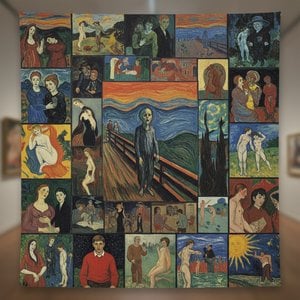
The Painting: "In the Human Brain" by Edvard Munch
In the Human Brain (1897) is a powerful example of
Edvard Munch's expressionist style. The painting depicts a man with a distorted and contorted face, his eyes wide open in terror or despair. The background is filled with swirling lines and shapes, suggesting a chaotic and tumultuous inner world.
Key Characteristics of the Painting
The use of
vivid colors and
distorted forms creates a sense of intense emotion and anxiety in the viewer. The painting's focus on the human brain and its emotions makes it a prime example of
Figurative Expressionism. To learn more about this art movement, visit
Figurative Expressionism Art Movement Introduction.
Purchasing a Handmade Oil Painting Reproduction
If you are interested in purchasing a handmade oil painting reproduction of
In the Human Brain or any other work by
Edvard Munch, please visit our website at
https://WahooArt.com. Our team of skilled artists can create a high-quality reproduction of the painting, using traditional techniques and materials.
To explore more about
Edvard Munch and his contribution to the
Expressionism movement, visit
Edvard Munch.
Soru ve Cevaplar
"In the human brain" adlı eser, Edvard Munch'in diğer çalışmalarıyla hangi ortak noktaları paylaşıyor?
Edvard Munch'in eserleri arasında yer alan "In the human brain", psychological angst, symbolism, existential dread, trauma, modern anxiety, reflection, expressionist core, visionary temalarıyla birlikte Figurative Expressionism üslubunda konumlanmaktadır.
Edvard Munch imzalı "In the human brain" eserinin kompozisyonuna hangi renk yön veriyor?
"In the human brain" adlı eserde en çok öne çıkan renk Espresso (#383235)'dır. Baskın renk, bir sanat eserini iç mekânla eşleştirirken faydalıdır.
"In the human brain" hangi tarza aittir?
Edvard Munch imzalı "In the human brain", Figurative Expressionism akımına aittir. Bu akım, eserin üslup bağlamını sunmaktadır.



 Önizle
 El Yapımı Tablo Satın Al
 Gönder
 Paylaş
 Detaylar
 Rehber

 Dosyayı İndir
 Benzerleri
 X-Işını
 Slayt Gösterisi
 İstatistikler

 Devamını Oku






































 Cam seçeneği yalnızca 110 cm altındaki boyutlar için mevcuttur.