Önizleme yap AR ile önizle El yapımı tablo satın al Dijital Görsele Geç Paylaş
Detayları Gör Guide Favorilere ekle İndir Benzerlerini gör X-Işını Slayt Gösterisi İstatistikler

The Surgeon

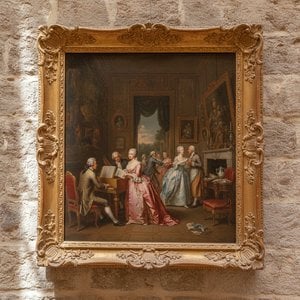
David Teniers the Younger's "The Surgeon" (1670s) captures a bustling 17th-century medical scene with remarkable detail and realism, showcasing Flemish genre painting at its finest.

David Teniers the Younger (1610-1690): Canlı köy sahneleri, şenlikli kermessler ve detaylı peyzajlarıyla öne çıkan önde gelen Flaman Barok ressamı. Etkileyici bir sanatçı!

Giclée / Sanat Baskısı

Hızlı üretim ve esnek bitiş seçenekleriyle müze kalitesinde giclée veya kanvas baskı. ( El yapımı tablo satın al Dijital Görsele Geç)

P118B $10
P118H $10
P118W $10
P438Z $10
P508JH $12
P508YH $12
P805H $10
P805Z $10
P919BZ $10
P919G $10
P919XJ $10
P959ZH $10
P968JZ $12
W106C $8
W218G $10
W218JH $8
W218Y $10
W307PJ $10
W316G $10
W316PJ $8
W316Y $10
W398PJ $8
W4111J $10
W500HY $15
W500JH $15
W692G $12
W849H $8
W940BG $15
W953PJ $8

Standart
kişiye özel
CM
INCH

Eserin orijinal oranlarıyla uyumlu, önceden belirlenmiş boyutlarımız arasından seçim yapın.

genişlik
yükseklik

Belirli bir çerçeveye veya alana uyması için kendi ölçülerinizi girebilirsiniz. Seçtiğiniz boyut orijinal görüntünün oranlarıyla eşleşmiyorsa, sanat eserini kırpacağız veya görüntüyü aynalanmış ya da düz dolgulu bir kenarlıkla genişleteceğiz. Üretim başlamadan önce onayınız için bir dijital taslak gönderilecektir.
Lütfen ekrandaki önizlemenin gerçek kırpma veya genişletmeyi yansıtmadığını unutmayın. Nihai kompozisyonu yalnızca taslak doğru bir şekilde gösterecektir.
Özel boyutlar mevcut olsa da, orijinal oranları korumak için önceden tanımlanmış listeden bir boyut seçmenizi öneririz.

Dünya Çapında Teslimat (); standart 4/5 hafta yerine 2 haftada. (20 Eylül)

why_choose_icon
Dünya Çapında Ücretsiz Ekspres Kargo
why_choose_icon
Yüksek Kaliteli Keten Tuval
why_choose_icon
Tam Kapsamlı Nakliye Sigortası
why_choose_icon
Gümrük Vergisi İade Garantisi
why_choose_icon
Gerçek Renk Uyumu Garantisi
why_choose_icon
100 Günlük İade Politikası (Sadece Kusurlu Ürünler İçin)
why_choose_icon
%100 Para İade Garantisi
why_choose_icon
Toplu Alım İndirimi

Toplam Fiyat

$ 68

reproduction

The Surgeon

Giclée / Sanat Baskısı

Reproduksiyon Boyutu

-

Toplam Tutar

$ 68

Hızlı Bilgiler

  • Movement: Dutch Golden Age
  • Influences: Rubens
  • Artist: David Teniers the Younger
  • Year: 1670
  • Dimensions: 57 x 73 cm
  • Medium: Oil on canvas
  • Artistic style: Realism, detailed observation

Sanat Bilgisi Testi

Her soru için yalnızca bir doğru cevap bulunmaktadır.

Soru 1:
What is the primary subject matter depicted in ‘The Surgeon’?
Soru 2:
The painting ‘The Surgeon’ is characteristic of which artistic movement?
Soru 3:
According to the description, what is a prominent feature of the painting’s color palette?
Soru 4:
David Teniers the Younger was primarily known for his work in which genre?
Soru 5:
What technique is most evident in the rendering of textures within ‘The Surgeon’?

A Glimpse into a World of Healing and Observation

David Teniers the Younger’s “The Surgeon,” painted around 1670, isn't merely a depiction of a medical scene; it’s a meticulously rendered snapshot of daily life within a bustling apothecary and surgical workshop. The painting immediately draws the eye into a crowded room filled with figures engaged in various activities – a surgeon intently focused on his patient, assistants tending to instruments, and onlookers observing the procedure. This isn't a grand portrait of heroic medicine; instead, it offers an intimate, almost voyeuristic view of the practical realities of medical practice during the Dutch Golden Age. The composition is deliberately dense, reflecting the organized chaos inherent in a working environment where life and death were intimately intertwined.

The scene unfolds within a space defined by earthy tones – browns, ochres, and muted greens dominate the palette, lending an air of realism and groundedness to the portrayal. Subtle touches of red appear in clothing and bandages, providing visual contrast and drawing attention to the act of healing itself. Teniers’ masterful use of hatching and cross-hatching creates a remarkable sense of texture, from the rough wool of garments to the smooth surfaces of porcelain jars filled with medicinal ingredients. The artist skillfully employs light – primarily emanating from a window on the left – to sculpt forms and cast shadows, adding depth and drama to the composition. The limited perspective, while somewhat flattened, effectively guides the viewer’s eye through the crowded room, emphasizing key figures and details.

The Artist's Hand: Technique and Style

“The Surgeon” is a prime example of David Teniers the Younger’s signature style – a blend of meticulous observation and genre painting. He was renowned for his ability to capture the nuances of everyday life, imbuing even mundane scenes with a sense of vitality and interest. The brushwork is visible yet controlled, contributing to the overall realism of the piece. Notice how Teniers renders the folds in clothing, the textures of skin, and the details of surgical instruments – each element meticulously rendered with careful attention to detail. The painting’s foundation lies in oil paints applied to canvas, a technique that allowed for layering and blending, creating rich colors and subtle gradations of tone.

Furthermore, Teniers' work reflects the influence of his mentor, Peter Paul Rubens, particularly in his use of vibrant color and dynamic composition. However, unlike Rubens’ grand historical scenes, Teniers focused on capturing the immediacy of a domestic setting. The painting is not just a record of events; it’s an invitation to step into a world where medicine was practiced within the familiar confines of a workshop, alongside the rhythms of daily life.

Symbolism and Context: A Window into 17th-Century Medicine

Beyond its immediate visual appeal, “The Surgeon” offers a fascinating glimpse into the cultural attitudes surrounding medicine during the 17th century. The presence of anatomical tools, surgical instruments, and even a monkey – often associated with alchemy and medical knowledge – hints at the prevailing fascination with the human body and the pursuit of healing. Skulls are also present, serving as stark reminders of mortality and the fragility of life. These elements collectively evoke a sense of both wonder and apprehension regarding the practice of medicine.

The painting’s historical context is crucial to understanding its significance. During this period, medical knowledge was still evolving, often blending traditional remedies with emerging scientific discoveries. The scene depicted reflects the collaborative nature of medical care, where surgeons relied on assistants and apprentices to aid in their procedures. “The Surgeon” isn't a celebration of surgical prowess; it’s a testament to the shared experience of healing within a community.

A Timeless Masterpiece: Reproduction and Legacy

David Teniers the Younger’s “The Surgeon” remains a captivating work of art, offering a rare glimpse into the world of 17th-century medicine. Reproductions capture the painting's rich detail and evocative atmosphere, making it an ideal addition to any home or office. Its enduring appeal lies in its ability to transport viewers back in time, inviting them to contemplate the complexities of human health, knowledge, and the ever-present pursuit of healing.


Sanatçı Özgeçmişi

David Teniers the Younger: Hayat ve Mirası

Flandra sanatının derin köklerinden gelen bir ailede, 15 Aralık 1610’da Antwerpen şehrinde doğan David Teniers the Younger, Barok dönemin canlı sahne resimlerinin önde gelen ismi olarak sanat tarihine adını altın harflerle yazdırmıştır. Babası, aynı zamanda yetenekli bir ressam olan David Teniers the Elder, oğluna ilk sanatsal eğitimini vermiş ve onu Flandra resminin zengin geleneğiyle tanıştırmıştır. Aile, zaman zaman maddi zorluklarla karşılaşmış olsa da, genç David bu dönemlerde usta ressamların eserlerini kopyalayarak aile ekonomisine katkıda bulunmuştur. Bu pratik, onun gözlem yeteneğini ve farklı üslupları anlamasını sağlamış, gelecekteki sanatsal gelişimine önemli bir temel oluşturmuştur.

Sanatsal Gelişimi ve Etkilenmeleri

Teniers’in erken dönem eserleri babasının stilinden belirgin şekilde etkilenmiş olup, daha çok küçük boyutlu kabine resimleri üzerine yoğunlaşmıştır. Pieter Bruegel the Elder gibi diğer Flandra ustalarının etkilerini de bu ilk çalışmalarında görmek mümkündür. Ancak sanatçının gelişiminde bir dönüm noktası, Peter Paul Rubens ile kurduğu ilişki olmuştur. Teniers, Jan Brueghel the Elder’ın kızı Anna Brueghel ile evlenmiş ve Rubens düğün şahidi olarak katılarak bu yakın bağı pekiştirmiştir. Rubens'in etkisiyle Teniers, renk paletini genişletmiş, kompozisyonlarını daha dinamik hale getirmiş ve figürlerine yeni bir canlılık kazandırmıştır. Zamanla, gündelik yaşamın tasvirlerini konu alan tür resmine yönelerek köylü festivalleri (kermesse), taverna iç mekanları ve köy manzaraları gibi konularda ün kazanmıştır.

Önemli Eserleri ve Sanatsal Üslubu

Teniers’in en çok takdir edilen eserleri, tür resimleridir. Bu resimlerde genellikle neşeli köylü yaşamı, danslar, içki içmeler ve oyunlarla dolu hareketli sahneler yer alır. “Flemish Kermess” serisi, sanatçının üslubunu mükemmel bir şekilde yansıtır; canlı renkler, detaylı kompozisyonlar ve insan davranışlarına dair keskin gözlemler bu eserlerin temel özellikleridir. Teniers aynı zamanda büyüleyici peyzaj resimleri de üretmiş olup, genellikle kırsal faaliyetlerde bulunan figürleri bu manzaralara dahil etmiştir. Taverna iç mekanları ise gündelik yaşamın gerçekçi bir şekilde tasvir edilmesi ve bu mekanlardaki canlı atmosfer nedeniyle özellikle dikkat çekicidir. Resimlerindeki detaycılık, renk kullanımı ve ışık gölge oyunları, Teniers’in Barok dönemin özelliklerini başarıyla yansıttığını gösterir.

Sarayıdaki Ressam ve Küratör

Teniers'in yeteneği Habsburg sarayında tanınmış ve İspanyol Hollandası Valisi Archduke Leopold Wilhelm için saray ressamı ve küratörü olarak görev yapmaya başlamıştır. Bu görevi sırasında, Archduke’un geniş sanat koleksiyonunu yönetmekle sorumluydu; eserlerin envanterini çıkarmış ve kataloglamıştır. Ayrıca, Rubens ve Van Dyck'ın ölümlerinin ardından Flandra resmini canlandırmak amacıyla Antwerpen Güzel Sanatlar Akademisi'nin kurulmasında önemli bir rol oynamıştır. Teniers’in bu çabaları, Flandra sanatının yeniden yükselmesine katkıda bulunmuş ve gelecek nesil sanatçılar için önemli bir eğitim merkezi oluşturulmasını sağlamıştır.

Tarihi Önemi ve Mirası

David Teniers the Younger, kendi döneminin önde gelen tür ressamı olarak kabul edilir ve 17. yüzyıl yaşamının özünü olağanüstü bir beceriyle yakalamıştır. Eserleri, sonraki Kuzey Avrupa ressamlarını etkilemiş ve hatta Antoine Watteau gibi Fransız Rokoko sanatçıları üzerinde de iz bırakmıştır. Teniers, inanılmaz derecede üretken bir sanatçı olmuş ve günümüzde bile hayranlıkla karşılanan geniş bir eser yığını bırakmıştır. 25 Nisan 1690’da Antwerpen’de hayatını kaybettiğinde, Flandra’nın en önemli Barok ressamlarından biri olarak kalıcı bir miras bırakmıştır. Onun eserleri, sadece teknik becerisiyle değil, aynı zamanda dönemin sosyal yaşamına dair sunduğu değerli bilgilerle de sanat tarihinin önemli bir parçasını oluşturmaktadır.
David Teniers Genç

David Teniers Genç

1610 - 1690 , Belçika

Kısa Bilgiler

  • Doğum Tarihi: 15 Aralık 1610
  • Doğum Yeri: Antwerp, Belçika
  • Etkilenen Sanatçılar: ['Peter Paul Rubens']
  • Sanatsal Akım: Barok
  • Tam Adı: David Teniers the Younger
  • Uyruk: Flaman
  • Ölüm Tarihi: 25 Nisan 1690
  • Önemli Eserler:
    • İki Sarhoş
    • Köy Manzarası
    • Mutfak Sahnesi
    • Flemish Kermess
Temalara, stillere ve özelliklere göre düzenlenmiş sanat eserlerini keşfedin.