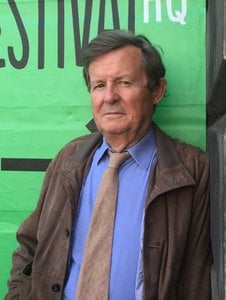
Sanatçı Özgeçmişi
Andrew Wyeth: A Vision of American Isolation
Andrew Newell Wyeth (1917-1992) remains one of the most distinctive and enduring figures in 20th-century American art. More than simply a painter, he was an observer—a meticulous chronicler of rural life, particularly within his native Pennsylvania, capturing not just landscapes but also the quiet dignity and profound loneliness of its inhabitants. Wyeth’s work is characterized by a haunting realism, a deliberate slowing down of time, and a deep engagement with the psychological complexities of his subjects. His style, often described as regionalist, transcends simple categorization, blending elements of realism, symbolism, and a uniquely personal vision.
Wyeth's artistic journey began under the tutelage of his father, N.C. Wyeth, a celebrated illustrator who instilled in him a love for drawing and painting from an early age. This formative influence is evident in Andrew’s early work – detailed landscapes and illustrations that mirrored his father’s style but possessed a greater sensitivity and introspective quality. However, Andrew quickly developed his own distinct voice, moving beyond mere representation to explore the emotional resonance of his subjects. He was profoundly influenced by Winslow Homer's masterful depictions of the sea and Henry David Thoreau’s philosophy of observation and connection with nature. The films of King Vidor, particularly their use of light and shadow, also played a significant role in shaping Wyeth’s artistic sensibilities.
Wyeth’s most famous work, *Christina’s World* (1948), is an iconic image that perfectly encapsulates his artistic vision. Painted in tempera on board, the scene depicts an elderly woman struggling to climb a steep hill, her young granddaughter watching from below. The painting's power lies not just in its technical brilliance—the meticulous detail of the setting, the subtle shifts in light and shadow—but also in its evocative portrayal of isolation, resilience, and the enduring bond between generations. Wyeth repeatedly returned to this theme of loneliness and connection throughout his career, often depicting figures within starkly rendered landscapes, emphasizing their vulnerability and quiet dignity. His series of paintings featuring windows – *The Glass Inn* (1948) being a particularly notable example – further explored this motif, presenting glimpses into private lives and suggesting the hidden dramas unfolding behind closed doors.
Beyond *Christina’s World*, Wyeth produced a vast body of work encompassing portraits, landscapes, and still lifes. He was renowned for his patient observation, spending countless hours studying his subjects before committing them to canvas. His paintings often feature ordinary people—farmers, fishermen, and rural residents—rendered with remarkable empathy and psychological depth. He wasn’t interested in grand narratives or heroic figures; instead, he focused on the quiet moments of everyday life, capturing the essence of human experience through subtle gestures, expressions, and the evocative power of his meticulously rendered details. His work is often described as melancholic, reflecting a deep awareness of mortality and the passage of time.
Wyeth’s artistic achievements were recognized with numerous accolades, including the Presidential Medal of Freedom in 1988 and election to the French Academy of Beaux Arts in 1989 – a rare honor for an American artist. His paintings are held in major museums around the world, testament to his enduring influence on the art world. Andrew Wyeth’s legacy lies not just in his stunningly beautiful paintings but also in his ability to invite viewers into a world of quiet contemplation and profound emotional resonance. He remains a powerful reminder of the beauty and complexity of the American landscape and the human spirit.
Early Life and Influences
Andrew Newell Wyeth was born on July 12, 1917, in Haversville, Pennsylvania, to N.C. Wyeth and Carolyn Bockius Wyeth. His childhood was deeply intertwined with art; his father, a prolific illustrator and painter, provided him with early instruction and fostered a love for the visual arts. The family’s home, a sprawling farmhouse near Cushing, Maine, became a constant source of inspiration, providing endless opportunities for observation and study. This rural setting would profoundly shape Wyeth's artistic vision, informing his later works depicting the landscapes and people of Pennsylvania and Maine.
Growing up in a large family—he was the youngest of five children—Wyeth developed a keen eye for detail and an appreciation for storytelling. His father’s work as an illustrator exposed him to diverse subjects and techniques, while his mother's artistic pursuits instilled in him a sensitivity to color and composition. Crucially, N.C. Wyeth recognized Andrew’s unique talent and encouraged him to develop his own style, steering clear of simply imitating his father’s illustrative approach. This nurturing environment allowed Wyeth to cultivate a distinctive artistic voice, one characterized by quiet observation, psychological depth, and a profound connection with the natural world.
The influence of Winslow Homer, the celebrated American landscape painter, is particularly evident in Wyeth's early work. Homer’s masterful depictions of the sea and rural life served as a model for Wyeth, inspiring him to capture the essence of his surroundings with remarkable realism and emotional intensity. Furthermore, Henry David Thoreau’s philosophy of observation and connection with nature—emphasizing the importance of immersing oneself in the natural world to gain a deeper understanding of human existence—resonated deeply with Wyeth's artistic sensibilities. The films of King Vidor, particularly their use of light and shadow to create mood and atmosphere, also played a significant role in shaping Wyeth’s visual language.
Major Works and Artistic Style
Andrew Wyeth’s oeuvre is remarkably diverse, encompassing portraits, landscapes, still lifes, and series paintings. However, several works stand out as particularly iconic and representative of his artistic vision. *Christina's World* (1948), arguably his most famous painting, depicts an elderly woman struggling to climb a steep hill, her young granddaughter watching from below. The painting’s power lies in its evocative portrayal of isolation, resilience, and the enduring bond between generations. The use of muted colors, subtle lighting, and carefully rendered details creates a sense of quiet melancholy and profound emotional resonance.
Another significant work is *The Glass Inn* (1948), a series of paintings depicting the interior of a dilapidated inn in Cushing, Maine. These paintings capture the atmosphere of a bygone era, evoking a sense of nostalgia and loss. Wyeth’s meticulous attention to detail—the worn furniture, the peeling wallpaper, the flickering candlelight—creates a remarkably immersive experience for the viewer.
Beyond these iconic works, Wyeth produced numerous other notable paintings, including *Untilled Land* (1952), *Memory of Summer* (1963), and *Morning Walk* (1978). His style is often described as regionalist, but it transcends simple categorization. Wyeth’s work blends elements of realism with symbolism and a uniquely personal vision. He was known for his patient observation, spending countless hours studying his subjects before committing them to canvas. His paintings are characterized by their quiet intensity, subtle emotional depth, and evocative portrayal of the American landscape and its inhabitants.
Legacy and Recognition
Andrew Wyeth’s artistic achievements were widely recognized throughout his career. He received numerous awards and honors, including the Presidential Medal of Freedom in 1988 and election to the French Academy of Beaux Arts in 1989 – a rare distinction for an American artist. His paintings are held in major museums around the world, testament to their enduring appeal and artistic significance.
Wyeth’s work continues to resonate with audiences today, offering a poignant reflection on themes of isolation, resilience, and the passage of time. He is remembered not only as a gifted painter but also as a keen observer of human nature and a master of capturing the essence of American life. His legacy extends beyond the art world, inspiring viewers to contemplate the beauty and complexity of the world around them. Andrew Wyeth died on January 16, 2009, in Chadds Ford, Pennsylvania, leaving behind a remarkable body of work that will continue to captivate and inspire generations to come.



 Önizleme yap
 Baskı Moduna Geç
 Paylaş
 Paylaş
 Detayları Gör

 İndir
İndir
 Benzerlerini gör
 X-Işını
 Slayt Gösterisi
 İstatistikler
 Tümünü Gör