


Bu sayfada sergilenen eser telif hakkı yasasıyla korunmaktadır; bu da yasal olarak eserin birebir kopyasını oluşturamayacağımız veya satamayacağımız anlamına gelir. Bu koruma, aşağıdakiler gibi uluslararası anlaşmalar kapsamında uygulanmaktadır: Bern Sözleşmesi ve aşağıdakiler de dahil olmak üzere ulusal yasalarca belirlenen ABD Telif Hakkı Kanunu - 17. Başlık.
Bu yöntem, koruma altındaki sanat eserinin kopyalanmasını veya çoğaltılmasını içermediği için telif hakkı düzenlemelerine tam uyum sağlar. Bunun yerine, yaratıcı bir yeniden yorumlamadır; orijinalinden etkilenen ancak onunla aynı olmayan yeni bir tablodur.
Hızlı üretim ve esnek bitiş seçenekleriyle müze kalitesinde giclée veya kanvas baskı. ( El Yapımı Tablo Satın Al Dijital Görsele Geç)





























Eserin orijinal oranlarıyla uyumlu, önceden belirlenmiş boyutlarımız arasından seçim yapın.

Çerçevenize veya duvarınıza uygun olması için ihtiyacınız olan genişlik ve yüksekliği yazın. Bir baskı yalnızca kesilebilir, görselden daha büyük hale getirilemez; bu nedenle farklı bir formdaki boyut seçimi, görselin bir kısmının kaybına neden olur. Herhangi bir baskı yapmadan önce onaylamanız için size bir dijital taslak gönderiyoruz. Bu sayfada gösterilen resim gerçek kesimi göstermez — bunu yalnızca taslak gösterir.
Dünya Çapında Teslimat (); standart 4/5 hafta yerine 2 haftada. (17 Kasım)
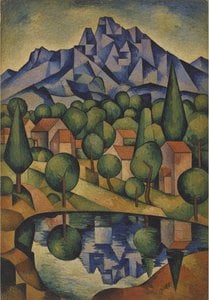
Cuenca
Reproduksiyon Boyutu
In his 1934 masterpiece, Cuenca, David Bomberg invites the viewer into a profound meditation on solitude and the enduring resilience of life amidst the overwhelming grandeur of nature. This oil on canvas transcends a mere topographical record of a Spanish hillside; it is an evocative window into a landscape where human presence and geological majesty exist in a delicate, poetic tension. The painting captures a panoramic view of a town nestled precariously yet harmoniously upon a rugged slope, where humble dwellings are scattered like quiet thoughts across the vast, undulating terrain. Through his masterful command of the medium, Bomberg distills the essence of this mountainous vista, offering an experience that is as much about emotional depth as it is about visual splendor.
The composition is anchored by a sense of monumental scale, with towering mountains dominating the horizon and creating a backdrop of immense power. In the foreground, trees punctuate the view, providing essential textural contrast and guiding the eye into the expansive scene. The sky, draped in soft, cloudy layers, lends an atmospheric weight to the work, suggesting the shifting moods of a mountain climate. This deliberate framing creates a captivating dialogue between the intimacy of the human settlement and the infinite scale of the natural world, fostering a contemplative space where themes of permanence and vulnerability intertwine.
Rooted in the transformative principles of Modernism, Cuenca showcases Bomberg’s sophisticated engagement with the legacies of Cubism and the structural insights of Cézanne. The artist employs a technique that prioritizes geometric simplification and multiple perspectives to sculpt spatial depth within the landscape. Rather than relying on rigid outlines, he utilizes loose, expressive brushstrokes that capture the very dynamism of the mountain air, imbuing the scene with a palpable sense of movement and life. This fluid application of paint allows the forms of the mountains and buildings to emerge organically from the canvas.
The color palette is masterfully restrained, leaning toward muted, earthy tones—predominantly rich browns and deep greens—that reflect the subdued, soulful hues characteristic of an autumnal landscape. Bomberg’s skillful use of tonal gradations allows him to define mass and volume, creating a sense of "the artist's consciousness of mass." This approach ensures that every element, from the smallest stone structure to the most distant peak, possesses a physical presence that feels both grounded and ethereal. For the discerning collector or interior designer, this work offers a sophisticated interplay of texture and tone, making it a timeless addition to any curated space.
To understand Cuenca is to understand a pivotal moment in Bomberg’s artistic evolution. Created during a period when the artist was moving away from the radical, fractured geometries of his earlier Cubo-Futurist years, this work represents a return to an aesthetic rooted in nature and organic form. The trauma of the First World War and the subsequent shift toward a more figurative, landscape-driven style are palpable here; there is a search for the sublime within the natural world that replaces the mechanical fervor of his youth. The painting reflects a period of profound transition, where the artist sought to realize the poetry found in mankind's contemplation of nature.
The emotional impact of the piece lies in its ability to evoke a sense of quiet awe. It is a work that speaks to the heart of anyone moved by the beauty of the untamed world and the quiet strength of those who inhabit it. Whether viewed as a study of light and shadow or as a symbolic representation of human endurance, Cuenca remains a visually arresting composition. For those seeking to bring a sense of historical depth and tranquil majesty into their surroundings, this reproduction serves as a powerful testament to Bomberg’s ability to capture the very breath of the landscape.
Evet - eser sanatçının kendi ülkesinde muhafaza edilmektedir. David Bomberg adlı sanatçının doğum yeri Birleşik Krallık iken, "Cuenca" eserinin orijinalini barındıran müze Birleşik Krallık konumundadır.
"Cuenca" eserinin telif hakkı durumu - telif hakları ile korunmaya devam etmektedir - sanatçının 1957 yılındaki ölümünden kaynaklanmaktadır.
David Bomberg imzalı "Cuenca" için önerilen baskı boyutu Small'dır.

Polonyalı-Yahudi göçmen ebeveynleri Abraham ve Rebecca Bomberg'in oğlu olarak dünyaya gelen sanatçı, Birmingham'da litograflık eğitimi almadan önce ilk olarak City and Guilds Teknik Sanat Okulu'nda eğitim gördü.
Westminster Sanat Okulu'nda (1908-1910) Walter Sickert'ın öğrencisi olan Bomberg, Sickert'ın form ve şehir yaşamına odaklanan yaklaşımından derinden etkilendi. 1910 yılında Roger Fry tarafından düzenlenen "Manet ve Post-Empresyonistler" sergisi aracılığıyla Paul Cézanne ile önemli bir tanışıklık yaşadı. 1911 yılında Slade Sanat Okulu'na katıldı ve sınıf arkadaşı Isaac Rosenberg'in çizimiyle Tonks Ödülü'nü kazandı.
Birinci Dünya Savaşı sırasında sıradan bir asker olarak yaşadığı deneyimler, sanatsطsal vizyonunu derinden etkileyerek soyutlamadan uzaklaşmasına neden oldu.
1920'li yıllarda Bomberg, doğrudan doğadan esinlenen portrelere ve manzaralara odaklandığı daha figüratif bir üslup benimsedi. Dokulu impasto tekniği ve duygusal yoğunlukla belirginleşen, giderek artan ekspresyonist bir teknik geliştirdi.
Orta Doğu (özellikle Filistin) ve Avrupa boyunca gerçekleştirdiği kapsamlı seyahatler, sonraki çalışmalarını önemli ölçüde etkiledi. Kudüs tasvirleri özellikle dikkat çekicidir.

1890 - 1957 , Birleşik Krallık

Explore the profound transition from Cézanne’s structural Post-Impressionism to the revolutionary fractured forms of Cubism. A sophisticated journey through the evolution of modern art for the discerning collector and connoisseur of fine art history.

Discover how to curate emotionally resonant spaces with our expert guide on selecting romantic artworks. From Impressionist light to Romanticist passion, learn to choose masterpieces that evoke love and legacy through premium, hand-painted oil reproductions.

Explore the profound connection between landscape painting and the sublime through art history. Discover the masters of awe today.

Experience the magic of Jacques Villedieu's top 25 artworks. Explore a stunning fusion of modern life and classical mastery through premium art reproductions. From impressionist light to contemporary scenes, find museum-quality decor for your space. Discover all masterpieces on WahooArt.com
Explore the profound legacy of Paul Cézanne. Discover how his mastery of geometric forms and vibrant color bridged Impressionism and Cubism, offering timeless inspiration for fine art collectors and enthusiasts seeking to understand the foundations of modern art.
 Gerçek Boyutta Önizle
 Paylaş
 Paylaş
 Detayları Gör
 Rehber

 İndir
İndir
 Benzer ürünler
 X-Işını
 Slayt Gösterisi
 Soru & Cevap
 İstatistikler


 Tümünü Gör









 Cam seçeneği yalnızca 110 cm altındaki boyutlar için mevcuttur.


