Sanatçı Özgeçmişi
Realizmin Portekizli Ustası: Columbano Bordalo Pinheiro'nun Yaşamı ve Sanatı
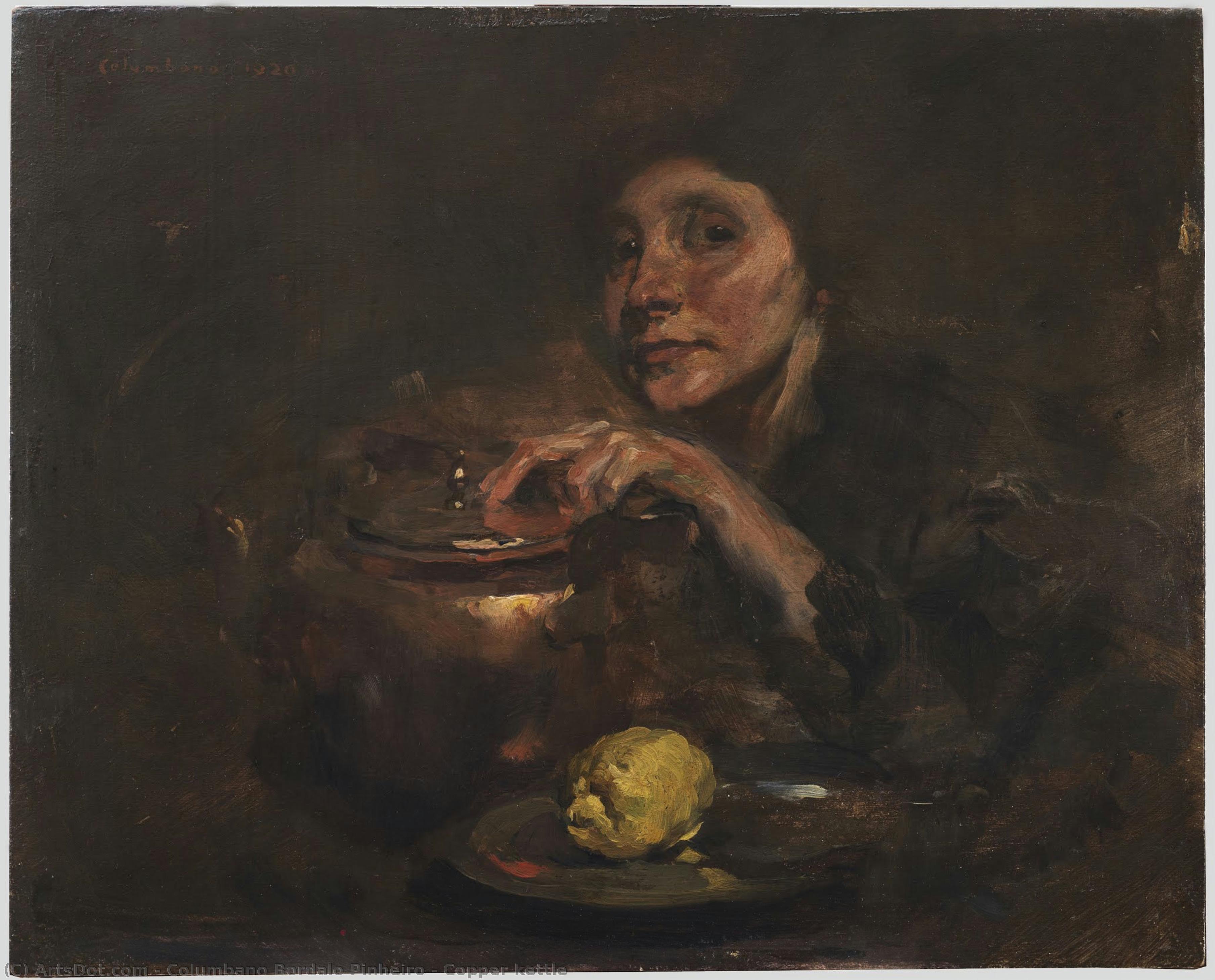
1857 yılında Portekiz'in sanatsal hareketliliği içinde doğan Columbano Bordalo Pinheiro, ulusun sanat tarihinde dönüm noktası niteliğinde bir figür olarak durmaktadır. O, yalnızca bir ressam değil; derin değişimlerin yaşandığı bir dönemde Portekiz toplumunun ruhuna nüfuz eden, zamanının bir kronikçisi ve psikolojik bir portre ustasıydı. Köklü bir sanatsal soyağacına doğan sanatçı—babası ünlü Romantik ressam Manuel Maria Bordalo Pinheiro ve kardeşi meşhur karikatürist Rafael—Columbano, eşsiz ve büyüleyici bir vizyona dönüşecek olan yaratıcı bir ruhu miras aldı. Babasının gözetimindeki ilk eğitimini Simões de Almeida ve Miguel Ângeli Lupi gibi heykeltıraşlarla birlikte sürdürmesi, titiz gözlem ve teknik beceriyle damgalanmış bir kariyerin temellerini attı. Ancak, 1881 yılında Fransa'da eğitim görmesini sağlayan burs, onun sanatsal rotasını asıl ateşleyen unsur oldu; bu süreç onu Natüralizm, Realizm ve Empresyonizm gibi yükselen akımlarla tanıştırdı. Courbet, Manet ve Degas gibi ustaların etkilerini özümserken, Bordalo Pinheiro asla bir taklitçiliğe düşmedi; aksine, genellikle koyu bir palet ve Portekiz mizacıyla derin bir yankı uyandıran içsel bir nitelikle karakterize edilen, kendine has bir üslup inşa etti.
‘Grupo do Leão’ ve Natüralizmi Kucaklamak
Bordalo Pinheiro, yalnızca atölyesinin sınırları içinde kalmakla yetinmedi. Döneminin entelektüel akımlarına aktif olarak katıldı ve etkili 'Grupo do Leão'un (Aslan Grubu) kurucularından biri oldu. Sanatçıların, yazarların ve düşünürlerin Lizbon'daki ‘Leão de Ouro’ restoranında bir araya geldiği bu topluluk, tartışmalar ve sanatsal yenilikler için canlı bir merkez görevi görüyordu. Akademik sanatın algılanan kısıtlamalarına bir panzehir olarak Natürelizmin tutkuyla ilan edildiği yer burasıydı. Hayatı idealleştirmeden veya romantik süslemeler yapmadan, olduğu gibi, gerçekçi bir şekilde temsil etme kararlılığı, Bordalo Pinheiro'nun eserlerinin belirleyici bir özelliği haline geldi. Konularının sadece dış görünüşünü değil, aynı zamanda iç dünyalarını, kaygılarını ve karmaşıklıklarını yakalamayı amaçladı. Bu durum, basit birer benzerlikten çok daha fazlası olan, derinlemesine psikolojik incelemeler niteliğindeki portrelerinde özellikle belirgindir. O, insanların sadece nasıl göründüğünü değil, kim olduklarını; kırılganlıklarını, hırslarını ve yüzlerine kazınmış deneyimlerinin ağırlığını resmediyordu.
Ruhun Pencereleri Olarak Portreler
Bordalo Pinheiro'nun ustalığı asıl olarak portrelerinde parladı. Portekiz'in önde gelen entelektüellerinin, yazarlarının ve kültürel figürlerinin favori ressamı haline geldi; José Maria de Eça de Queiroz, Teófilo Braga ve Raul Brandão gibi isimler onun önünde poz verdiler. Bunlar hafife alınmış siparişler değildi; Bordalo Pinheiro her bir konuya derin bir sorumluluk duygusuyla yaklaşıyor, sadece fiziksel özellikleri değil, karakterin özünü yakalamaya çabalıyordu. Belki de en ünlü portresi, 1889 yılında tamamlanan şair Antero de Quental'ın portresidir. Bu tablo, rahatsız edici bir önseziye sahiptir; sanki kısa bir süre sonra gerçekleşecek olan Quental'ın trajik intiharını önceden seziyor gibidir—bu durum, Bordalo Pinheiro'nun insan psişesinin gizli derinliklerini algılama ve tasvir etme konusundaki olağanüstü yeteneğinin bir kanıtıdır. “Cunha Vasco Portresi” gibi eserler, ışık ve gölgenin dramatik kullanımını sergileyerek konunun entelektüel yoğunluğunu ve içsel çalkantısını vurgular. Kusurları veya kırılganlıkları tasvir etmekten kaçınmadı; aksine bunları her bireyi eşsiz kılan unsurların ayrılmaz parçaları olarak benimsedi.
Portrenin Ötesinde: Cumhuriyetçilik ve Sanatsı Liderliğin Mirası
Bordalo Pinheiro'nun etkisi tuvalin çok ötesine uzandı. Kararlı bir cumhuriyetçi olarak, Portekiz'in siyasi yaşamına aktif katılım gösterdi, hatta 1910 yılında yeni ilan edilen cumhuriyet için bayrağı bile tasarladı. Ulusuna olan bağlılığı, onu Lizbon'daki Ulusal Çağdaş Sanat Müzesi'nin (şimdiki Chiado Müzesi) direktörlüğüne getirdi ve bu görevi 1914'ten 1927'ye kadar sürdürdü. Görev süresi boyunca modern sanatı savundu ve Portekiz'in gelişen sanatsal manzarasını yansıtan bir koleksiyon oluşturmak için yorulmadan çalıştı. “Fontainebleau Köylüsü” ve “Zorlu Deneme” gibi kendi tabloları, yalnızca teknik becerisini değil, aynı zamanda toplumsal meselelerle ilgilenme ve emek, iç gözlem ile insanlık durumu temalarını keşfetme konusundaki istekliliğini de sergiler. O, sanatın sadece estetikten ibaret olmadığını; etrafındaki dünyayı—onun güzelliğini, mücadelelerini ve karmaşıklıklarını—yansıtmakla ilgili olduğunu anlayan bir ressamdı.
Kalıcı Bir Etki: Yüzyılının En Büyük Portekizli Ressamı
Columbano Bordalo Pinheiro 1929 yılında hayata gözlerini yumduğunda, geride bugün bile sanatseverlerde yankı uyandıran bir miras bıraktı. Teknik becerisi ve psikolojik derinliği nedeniyle Wilhelm Leibl ve John Singer Sargent gibi ustalara sıklıkla benzetilen sanatçı, 19. yüzyılın en büyük Portekizli ressamı olarak kabul edilir. Eserleri, Lizbon'daki Chiado Müzesi'nde ve Casa-Museu Dr. Anastácio Gonçalves gibi diğer önemli koleksiyonlarda sergilenmeye devam ederek, onun bu kadar canlı bir şekilde tasvir ettiği dünyaya bir bakış sunmaktadır. O sadece bir tarih kaydedicisi değildi; insan ruhunun bir yorumcusuydu—zamanının özünü yakalayan ve Portekiz sanatı ile kültüründe silinmez bir iz bırakan bir realizm ustasıydı. Resimleri, izleyicileri yaşamın karmaşıklıklarını, insan ruhunun derinliklerini ve sanatsal ifadenin kalıcı gücünü düşünmeye davet etmeye devam ediyor.


 Önizleme yap
 El yapımı tablo satın al
 Paylaş
 Paylaş
 Detayları Gör
 Rehber

 İndir
İndir
 Benzerlerini gör
 X-Işını
 Slayt Gösterisi
 İstatistikler


 Tümünü Gör






































 Cam seçeneği yalnızca 110 cm altındaki boyutlar için mevcuttur.


