


Hızlı üretim ve esnek bitiş seçenekleriyle müze kalitesinde giclée veya kanvas baskı. ( El Yapımı Tablo Satın Al Dijital Görsele Geç)





























Eserin orijinal oranlarıyla uyumlu, önceden belirlenmiş boyutlarımız arasından seçim yapın.

Çerçevenize veya duvarınıza uygun olması için ihtiyacınız olan genişlik ve yüksekliği yazın. Bir baskı yalnızca kesilebilir, görselden daha büyük hale getirilemez; bu nedenle farklı bir formdaki boyut seçimi, görselin bir kısmının kaybına neden olur. Herhangi bir baskı yapmadan önce onaylamanız için size bir dijital taslak gönderiyoruz. Bu sayfada gösterilen resim gerçek kesimi göstermez — bunu yalnızca taslak gösterir.
Dünya Çapında Teslimat (); standart 4/5 hafta yerine 2 haftada. (8 Kasım)
Angels Pity
Reproduksiyon Boyutu
In the quiet, hallowed atmosphere of the Early Renaissance, few works capture the intersection of human sorrow and divine grace as poignantly as Carlo Crivelli’s "Angels Pity." Painted in 1470, this masterpiece serves as a profound meditation on tenderness and spiritual devotion. The scene unfolds with an intimate warmth, presenting Jesus cradling two children within his arms—a gesture that transcends mere historical depiction to become a universal symbol of protection and innocence. Surrounded by a celestial assembly of angels and watchful figures, the composition draws the viewer into a sacred circle of empathy. Even the subtle presence of a solitary bird in the upper corner acts as a silent witness, lending an air of tranquility to a moment heavy with emotional significance.
The artistry of Crivelli is on full display through his masterful command of color and light. Utilizing soft, luminous hues and delicate brushstrokes, the artist creates a sense of palpable intimacy that makes the divine feel reachable. The painting is a triumph of the Early Renaissance style, where every detail is rendered with an almost obsessive realism. Crivelli’s technique involves the meticulous application of oil glazes on wood panel, building layers of color to achieve a radiant depth. This method allows light to appear as if it is emanating from within the figures themselves, highlighting the soft textures of skin and the intricate folds of drapery, thereby inviting the observer to linger on the subtle nuances of the composition.
Beyond its visual splendor, "Angels Pity" is a rich tapestry of Christian iconography designed to provoke deep reflection. The arrangement of the figures within an arched niche creates a sense of sacred enclosure, separating the holy event from the mundane world. Every element serves a symbolic purpose: the tender way Jesus holds the children reflects the theological concept of divine mercy, while the surrounding angels represent the bridge between heaven and earth. Crivelli’s use of trompe l'oeil—a technique intended to trick the eye into perceiving three-dimensional reality—adds a layer of tactile presence to the work, making the spiritual themes feel grounded in a tangible, physical reality.
For the discerning collector or interior designer, this painting offers more than mere decoration; it provides an emotional anchor for any space. The somber yet serene mood makes it an ideal centerpiece for rooms dedicated to contemplation, study, or quiet luxury. Whether one is drawn to its historical significance as a product of the Venetian-influenced March of Ancona or moved by its profound expression of compassion, "Angels Pity" remains a timeless testament to the power of art to evoke the sublime. Owning a high-quality reproduction of this work allows for the preservation of this Renaissance spirit, bringing a sense of historical weight and aesthetic harmony into the modern home.
Uyumlu bir cihazda artırılmış gerçekliği kullanarak, Carlo Crivelli imzalı "Angels Pity" adlı eseri Artırılmış Gerçeklik Önizleme sayfası aracılığıyla kendi duvarınızda önizleyebilirsiniz.
"Angels Pity" ile benzer eserler, eserin Benzer Eserler sayfasında listelenmektedir.
Carlo Crivelli imzalı "Angels Pity", Renaissance dönemine aittir. Bu dönem, eserin tarihsel bağlamını sunmaktadır.

İtalyan Rönesans döneminin önemli ressamlarından Carlo Crivelli, 1430-35 yılları civarında Venedik'te dünyaya geldi. Ressam bir aileden gelen sanatçı, sanatsal formasyonunu Venedik ve Padua'da tamamladı. Crivelli'nin ilk eğitimini, 1436 yılında hâlâ aktif olan Jacobello del Fiore'nin yanında aldığı düşünülmektedir. Ayrıca Venedik'teki Vivarini okulunda da eğitim görerek yeteneklerini derinleştirdi.
Crivellli, gençlik yıllarını Veneto bölgesinde geçirirken Vivarini, Squarcione ve Mantegna gibi ustaların etkilerini özümseyerek kendi sanatsal kimliğini oluşturdu. 1458 yılına gelindiğinde Veneto'dan ayrılarak kariyerinin büyük bir kısmını Ancona bölgesinde geçirdi; burada, Venedikli çağdaşı Giovanni Bellini'nin tarzından ayrışan, kendine has ve özgün bir üslup geliştirdi. Crivelli'nin eserleri; çizgisel niteliği, büyüleyici detaylara verdiği önem ve göz alıcı "trompe l'oeil" (göz yanılması) tekniklerinin kullanımıyla karakterize edilen, muhafazakâr bir Geç Gotik dekoratif duyarlılığın izlerini taşır.
* Carlo Crivelli'nin "Taht Üzerindeki Madonna ve Çocuk" (106 x 55 cm, Budapeşte Güzel Sanatlar Müzesi, Macaristan) adlı eseri, onun sanatsal üslubunun en seçkin örneklerinden biridir. * Sanatçı, çeşitli projelerde genç kardeşi Vittorio Crivelli ile birlikte çalışmıştır. * Almanya/Avusturya'dan Ancona bölgesine göç eden ressam Pietro Alemanno ise onun öğrencisi ve önemli bir iş ortağı olmuştur.
* İtalya'nın Milano kentindeki Pinacoteca di Brera, "Pietà" (128 x 241 cm) dahil olmak üzere Crivelli'nin birçok önemli eserine ev sahipliği yapmaktadır. * İtalya, Venedik'teki San Giovanni in Bragora Müzesi, Crivelli'ye atfedilen eserler de dahil olmak üzere farklı dönem ve üsluplardan gelen zengin bir sanat koleksiyonuna sahiptir.
Crivelli'nin mirası, eserlerinin muhafazakâr Geç Gotik dekoratif duyarlılığın kalıcı gücüne bir kanıt olarak kalmasıyla, sanat tutkunlarına ve bilim insanlarına ilham vermeye devam etmektedir.

1435 - 1495 , İtalya

Discover the enduring legacy of oil on board painting. Explore how historical techniques, rich impasto textures, and structural durability create timeless masterpieces that bridge Renaissance grandeur with modern art collecting excellence.

Discover the profound allure of oil on canvas. Explore the mastery of impasto textures, the science of pigment longevity, and expert guides to selecting museum-quality reproductions that elevate your collection with timeless elegance and tactile depth.

Discover the enduring allure of oil on canvas. Explore how master techniques like impasto and glazing create the depth, texture, and emotional resonance found in the world's greatest masterpieces. An essential guide for fine art enthusiasts and discerning collectors.

Discover the enduring allure of hand-painted oil reproductions. WahooArt offers museum-quality, archival masterpieces designed for discerning collectors seeking timeless beauty and a lasting legacy. Invest in fine art that transcends generations with our expert craftsmanship.
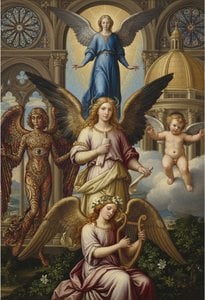
Explore the profound beauty of angelic figures in art history. From Renaissance masterpieces to celestial symbolism, our expert guide offers a sophisticated journey through the divine imagery of the Old Masters for discerning collectors and art enthusiasts.
 Gerçek Boyutta Önizle
 Paylaş
 Paylaş
 Detayları Gör
 Rehber

 İndir
İndir
 Benzer ürünler
 X-Işını
 Slayt Gösterisi
 Soru & Cevap
 İstatistikler

 Tümünü Gör









 Cam seçeneği yalnızca 110 cm altındaki boyutlar için mevcuttur.


