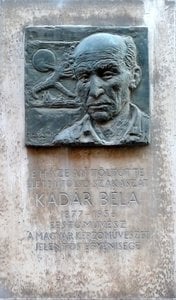
Avangardın Macar Sesi: Béla Kádár'ın Yaşamı ve Sanatı
1877 yılında Budapeşte'de işçi sınıfına mensup Yahudi bir ailede dünyaya gelen Béla Kádár’ın, 20. yüzyıl başı avangard sanatının kilit figürlerinden biri olma yolculuğu, hem zorluklarla hem de sanatsayı keşfetmeye olan sarsılmaz tutkusuyla şekillendi. Resmi eğitimi yalnızca altı yıl ile sınırlı kalmıştı; ancak bu geleneksel eğitim eksikliği, onu yerleşik kalıplardan özgürleştirerek kendine has, kişisel bir görsel dil geliştirmesine olanak sağladı. Kádár profesyonel hayatına elinde bir fırçayla değil, bir torna ustası çırağı olarak başladı; bu zanaat, sanatsal duyarlılıklarını derinden etkileyerek ona form, yapı ve endüstriyel malzemelerin içindeki doğal güzelliği kavrama konusunda derin bir anlayış kazandırdı. Yine de bu ilk yıllarda bile yaratıcı ruhu kendini belli ediyordu; başlangıçta Budapeşte genelinde duvar resimleri yapmaya odaklanarak, büyük ölçekli görsel anlatıma ve hikaye anlatıcılığına olan doğuştan gelen eğilimini sergiledi. Bu temel dönem, daha sonra eserlerinin imzası olacak cesur ve dinamik kompozisyonların temellerini attı.
Paris, Berlin ve Üslupların Sentezi
Kádár’ın sanatsal gelişimindeki asıl kırılma noktası, 1910 yılındaki Paris ve Berlin seyahatleriyle geldi. Bu yolculuklar onu Batı Avrupa'yı kasıp kavuran gelişmekte olan avangard hareketlerle tanıştırdı ve sanat rotasını geri dönülemez bir şekilde değiştirdi. Der Blaue Reiter’in radikal fikirleri, Kübizm’in parçalanmış formları, Fütürizm’in dinamizmi ve Neo-Primitivizm’in ham enerjisiyle karşılaştı; bu etkileri sadece olduğu gibi benimsemekle kalmadı, aksine onları kendine özgü, ayırt edici bir görsel sözlüğe dönüştürdü. Kádár, tek bir düşünce "okulu" ile sınırlı kalmak istemedi; bunun yerine, geleneksel temsilci sanatın kısıtlamalarından kurtulma arzusuyla form, renk ve kompozisyonun bitmek bilmeyen bir keşfine çıktı. Konstrüktivizm’den aldığı unsurları ve hatta Metafizik resmin rüya benzeri niteliklerini özümseyerek, bunları kendi eşsiz perspektifini yansıtan karmaşık bir dokuma gibi bir araya getirdi. Bu dönem, onu gelecek vaat eden bir duvar ressamından, uluslararası tanınırlığın eşiğinde duran gerçek anlamda yenilikçi bir sanatçıya dönüştüren kritik bir dönüm noktası oldu.
Tanınma ve Uluslararası Görünürlük
Kádár’ın büyük çıkışı, Ekim 1923'te Berlin'deki Herwarth Walden'ın prestijli Galerie der Sturm sergisiyle gerçekleşti. Bu sergi, eserlerini belirgin bir Dışavurumcu (Ekspresyonist) üslupla sundu ve anında dikkat çekerek Avrupa sanat sahnesinde hafife alınmayacak bir güç olarak yerini almasını sağladı. Radikal yeni sanatsal sesleri desteklemesiyle tanınan galeri, Kádrak'a deney yapma tutkusunu paylaşan koleksiyonerler ve sanatçılarla bağ kurması için ideal bir platform sundu. Uluslararası profilini daha da güçlendiren unsurlar ise 1926 ve 1928 yıllarında New York'taki Brooklyn Sanat Müzesi'nde Katherine Dreier tarafından düzenlenen iki sergi oldu. Özellikle Kádár'ın ikinci sergiye bizzat katılması, Amerikan sanat ortamındaki varlığını sağlamlaştırdı ve Atlantik ötesindeki gelişen modernist hareket içinde değerli bağlar kurmasını sağladı. Bu dönemdeki tabloları genellikle Macar folklorundan sahneler, samimi portreler ve köy yaşamından kesitler sunuyordu; bu konular, hem vatanının ruhunu hem de modern çağın enerjisini yakalayan cesur bir renk paleti ve dinamik kompozisyonlarla işlenmişti.
Cesur Bir Yenilik Mirası
Béla Kádár’ın sanatsal üslubu, duygu ve atmosfer iletmek için sıklıkla doğal olmayan tonlar kullanan canlı ve dışavurumcu renk kullanımıyla anında tanınabilir. Kompozisyonları, tuval üzerinde titreşiyor gibi görünen çizgi, şekil ve formların etkileşimiyle elde edilen hissedilir bir hareket ve enerji duygusuyla karakterize edilir. Sık sık impasto tekniğini —boyayı kalın katmanlar halinde uygulayarak— kullanarak, eserlerinin görsel etkisini artıran ve dokunsal bir keşfe davet eden dokulu yüzeyler yarattı. Ancak Kádár'ı asıl ayıran şey, belki de bu çeşitli sanatsal etkileri tutarlı ve özgün bir üslupta sentezleme konusundaki olağanüstü yeteneğidir. Macar avangardı ile döneminin daha geniş Avrupa hareketleri arasında kritik bir köprü görevi görerek, 20. yüzyılın başındaki sosyal ve siyasi çalkantıları sanatına yansıttı. Yaşadığı dönemde bazı çağdaşları kadar yaygın olarak kutlanmasa da, Kádár’ın eserleri son on yıllarda yeniden bir yükseliş yaşadı ve akademisyenler modern sanata yaptığı önemli katkıları giderek daha fazla kabul etmeye başladı. 1956 yılında Budapeşte'de hayata gözlerini yuman sanatçı, geride bugün bile sanatçılara ilham vermeye ve izleyicileri büyülemeye devam eden cesur ve yenilikçi bir miras bıraktı; bu, kendi yolunu çizmeye cüret eden bir sanatçının kalıcı gücünün bir kanıtıdır.
Kádár'ın Eserlerinin Temel Özellikleri
- Cesur Renk Paleti: Kádár, duygu ve atmosfer iletmek için sıklıkla doğal olmayan tonlar kullanarak canlı ve dışavurumcu renk kullanımıyla ün salmıştır.
- Dinamik Kompozisyon: Kompozisyonları, çizgi, şekil ve formların etkileşimiyle sağlanan bir hareket ve enerji duygusuyla karakterize edilir.
- Impasto Tekniği: Dokulu yüzeyler oluşturmak ve eserlerinin görsel etkisini artırmak için sık sık kalın boya katmanları (impası) kullanmıştır.
- Benzersiz Sentez: Kádár’ın çeşitli sanatsal etkileri tutarlı ve özgün bir üslupta sentezleme yeteneği, onu 20. yüzyıl başı sanatının önemli bir figürü olarak öne çıkarır.
- Temalar ve Konular: Resimleri genellikle folklorik sahneleri, köy yaşamını ve samimi portreleri cesur renkler ve dinamik kompozisyonlarla betimler. Ayrıca soyut temaları keşfetmiş ve parçalanmış formlarla deneyler yapmıştır.



 Önizle
 Baskı Satışına Geç
 Gönder
 Paylaş
 Detaylar
 Rehber

 Dosyayı İndir
 Benzerleri
 X-Işını
 Slayt Gösterisi
 İstatistikler
 Devamını Oku