Önizleme yap AR ile önizle Baskı Moduna Geç El yapımı tablo satın al Paylaş
Detayları Gör Rehber Favorilere ekle İndir Benzerlerini gör X-Işını Slayt Gösterisi İstatistikler

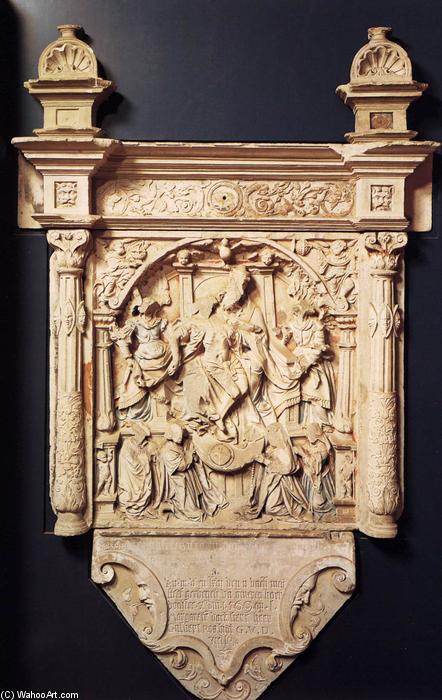
Ros ailesi Anıtı

İkonoklazizm saldırısına uğramış Ros ailesi Anıtı'nın etkileyici detaylarıyla tanışın. Köln kökenli Arnt van Tricht'in Antwerp mirası ve Rönesans sanatının özgün eserlerinden biri.

Explore the evocative works of arnt van Tricht, a Dutch master (1530-1570) known for Ros Family Epitaphs & historical art. Discover his Cologne origins & Antwerp legacy.

Çevrimiçi önizlemeden çok daha üstün, yüksek çözünürlüklü ve iyileştirilmiş bir dijital görüntü satın alın.

Her dosya, uzman ekibimiz tarafından gelişmiş araçlar ve titiz manuel rötuş teknikleri kullanılarak özenle hazırlanır. Her görüntünün olağanüstü netliğe, kusursuz renk doğruluğuna ve ince ayrıntılara sahip olduğundan emin oluruz.

Son dosya; profesyonel, editoryal ve baskı süreçlerinde anında kullanıma uygun şekilde optimize edilerek 72 saat içinde e-posta yoluyla teslim edilir. Bu, seçkin tasarım stüdyoları, yayıncılar ve galerilerin güvendiği aynı kalite standartlarındadır.

Dijital Görsel

Kişisel sergileme, baskı ve yaratıcı projeleriniz için yüksek çözünürlüklü bir dosya indirin. ( Baskı Moduna Geç El yapımı tablo satın al)

Toplam Tutar

$ 24,90

Her Dijital Görüntü Siparişinde Dahil Olanlar

Uzman Dijital Teslimat, Garantili

WahooArt.com seçtiğinizde, sadece bir görsel edinmekle kalmaz; titizlikle hazırlanmış, profesyonelce iyileştirilmiş dijital bir sanat eserine sahip olur ve memnuniyet garantisiyle güvence altına alınırsınız. Siparişinizle birlikte otomatik olarak sunulan her şey şunlardır:

shipping_icon
Hızlı E-posta ile Teslimat

Yüksek çözünürlüklü dijital görüntü dosyanız, siparişinizin üzerinden en geç 72 saat geçmeden e-posta ile size gönderilecektir; hemen kullanıma hazırdır.

canvas_icon
Yapay Zeka İle İyileştirilmiş Dijital Dosya

Sanat eseriniz; maksimum detay, netlik ve renk doğruluğu sağlamak amacıyla gelişmiş yapay zeka araçları ve manuel düzenleme kullanılarak profesyonelce optimize edilmektedir.

insurance_icon
Ömür Boyu Ücretsiz Yeniden Gönderim

Dosyanızı yanlışlıkla mı sildiniz yoksa kayıp mı oldu? Endişelenmeyin; dosyanızı dilediğiniz zaman size ücretsiz olarak tekrar göndereceğiz.

tax_icon
Hiçbir Zaman İthalat Ücreti Ödemeyin

Sanat eserinizin tadını gümrük vergisi, harç veya teslimat ücreti ödemeden anında çıkarın; dijital indirmeler her zaman vergiden muaftır.

color_icon
Renk Doğruluğu Garantisi

Profesyonel araçlar ve renk yönetimi kullanarak dijital görselinizin orijinal renklere mümkün olduğunca yakın yansıtılmasını sağlıyoruz.

return_icon
100 Günlük Memnuniyet Garantisi

If you're not satisfied with your digital image, we'll revise it or refund 100% within 100 days - no questions asked.

guarantee_icon
100% Para İadesi Garantisi

Memnun kalmadınız mı? Dijital dosyanızı teslim aldıktan sonraki 100 gün içinde, hiçbir soru sorulmaksızın tam para iadesi alabilirsiniz.

discount_icon
Toplu Sipariş İndirimleri

Buy 3 images, save 10% - Buy 5, save 15% - Buy 10+, save 20%. Great for creative projects, galleries, and agencies.

Hızlı Bilgiler

  • Notable elements or techniques: Detailed drapery, expressive faces
  • Influences: Flemish Renaissance
  • Artistic style: Monumental sculpture
  • Artist: Arnt van Tricht
  • Subject or theme: Religious iconography
  • Title: Ros Family Epitaph
  • Year: 1550

Sanat Bilgisi Testi

Her soru için yalnızca bir doğru cevap bulunmaktadır.

Soru 1:
What is the primary subject matter depicted in ‘Ros Family Epitaph’?
Soru 2:
In what city was Arnt van Tricht primarily trained as an artist?
Soru 3:
What significant event occurred in Wageningen in 1578 that impacted the Ros Family Epitaph?
Soru 4:
What artistic style is characteristic of ‘Ros Family Epitaph’?
Soru 5:
The image description mentions the deliberate damage inflicted upon the epitaph. What was the reason for this vandalism?

Arnt van Tricht’s Silent Testament: Decoding the Ros Family Epitaph

Arnt van Tricht (c. 1530 – 1570), though largely absent from the annals of art history alongside luminaries like Bruegel and Holbein, nevertheless carved out a significant niche within the artistic fervor of Antwerp and Cologne during the High Renaissance—a period defined by humanist ideals and an unwavering fascination with classical antiquity. Examining his magnum opus, “Ros Family Epitaph,” offers a poignant glimpse into this era’s spiritual convictions and artistic prowess.

The epitaph itself stands as a testament to Van Tricht's meticulous craftsmanship and profound understanding of visual storytelling. Executed circa 1550, it commemorates the Ros family—a prominent Wageningen lineage—and resides within the Grote Kerk (Great Church). However, its story extends far beyond mere commemoration; it’s marred by a dramatic act of iconoclasm in 1578 perpetrated by zealous Protestants who deliberately defaced the monument. Despite this destructive intervention, fragments of the original artwork endure, providing invaluable insight into Van Tricht's artistic vision.

  • Subject Matter & Composition: At its core lies a masterful depiction of Christian iconography—specifically, God the Father presenting his son Jesus Christ to the faithful. Surrounding this central figure are supplicating individuals representing members of the Ros family, embodying fervent devotion and yearning for divine mercy. The arrangement adheres to established conventions of Renaissance tomb sculpture, prioritizing clarity and conveying solemn reverence.
  • Style & Technique: Van Tricht’s style aligns closely with the prevailing artistic currents of Antwerp during his time—characterized by a restrained elegance and an emphasis on sculptural realism. He skillfully employs carving techniques honed in Cologne's Ständehaus workshop, demonstrating exceptional attention to detail. The drapery folds are rendered with remarkable accuracy, capturing subtle nuances of light and shadow that imbue the sculpture with palpable emotion.
  • Symbolism: Beyond its narrative content, “Ros Family Epitaph” is laden with symbolic significance. God’s outstretched hand symbolizes paternal benevolence and divine grace, while Jesus Christ embodies redemption and salvation—themes central to Christian theology. The dove of the Holy Ghost hovering above Jesus signifies the Spirit’s role in facilitating spiritual enlightenment and divine communion.
  • Historical Context: Created during a turbulent period marked by religious conflict between Catholics and Protestants, the epitaph reflects the anxieties and aspirations of its time. The deliberate defacement by radical Protestants underscores the intense ideological battles waged across Europe during the Reformation—a confrontation that pitted faith against reason and tradition against innovation.

The damaged state of “Ros Family Epitaph” serves as a poignant reminder of the fragility of artistic heritage amidst political upheaval. Yet, its enduring presence allows us to appreciate Van Tricht’s artistry not merely as an aesthetic achievement but as a profound expression of humanist belief and a captivating window into the spiritual landscape of Renaissance Europe. Reproductions offer a chance to experience this masterpiece's evocative beauty and contemplate its timeless message.

Further exploration can be found on the Rijksmuseum’s website and Google Arts & Culture.


Sanatçı Özgeçmişi

A Quiet Voice Amidst the Flemish Renaissance

Arnt van Tricht remains a figure shrouded in relative obscurity compared to his more famous contemporaries, such as Pieter Bruegel the Elder or Hans Holbein the Younger. Yet, for those who look closely at the artistic landscape of the mid-16th century, his contribution to the cultural fabric of Antwerp and Cologne is undeniable. Born around 1530, Van Tricht’s formative years coincided with a period of intense intellectual ferment, fueled by humanist scholarship and a profound rediscovery of classical ideals. While precise biographical details regarding his early upbringing are scarce, evidence suggests he was a master of both wood and stone, honing his skills in the prestigious workshops of the Lower Rhine region.

His artistic journey likely began under the guidance of Hendrick Douverman, a prominent sculptor of the era. This early training instilled in him a meticulous craftsmanship that would define his career. Though he may have had roots in Utrecht—as suggested by the stylistic similarities between his work and the influential sculptors of that city—he established much of his reputation in Kalkar. In these early years, Van Tricht was a prolific wood-carver, often creating innovative adaptations of late Gothic models. However, as the winds of the Reformation began to sweep through Northern Europe, his medium shifted. The religious upheavals necessitated a change in artistic focus, leading him to specialize in stone relief carving, memorial tablets, and exquisite chimney-pieces that blended durability with profound spiritual narrative.

The Mastery of Form and Devotion

By the mid-1560s, Van Tricht had relocated to Antwerp, a vibrant, bustling hub of international trade and artistic innovation. This move proved pivotal, as the Antwerp patronage system encouraged artists to push the boundaries of their medium. It was during this period that his work began to reflect the sophisticated influences of the High Renaissance and Mannerism. He absorbed the grace of Italian masters like Andrea del Piero della Francesca and the subtle emotional depth of Leonardo da Century, incorporating elements of idealized beauty into his sculptural reliefs.

His most celebrated achievement remains the Ros Family Epitaphs, a series of monumental funerary sculptures commissioned for St. Elisabeth’s Church in Antwerp. Executed in fine Carrara marble, these works transcend mere decoration to become profound theological contemplations. In these pieces, one can witness a masterful command of chiaroscuro—the dramatic interplay of light and shadow—carved directly into the stone. The central figures, often depicting divine grace through the presentation of Christ, are rendered with such precision that the folds of drapery and the nuances of facial expression seem almost palpable. These works served as a microcosm of the era's anxieties, capturing the tension between religious devotion and the looming threat of iconoclasm.

Legacy and Historical Significance

The tragedy of Van Tricht’s legacy is inextricably linked to the turbulent history of Antwerp itself. The Iconoclasm of 1578, a period of violent Protestant reform, saw many of his most precious works targeted by zealous soldiers. The Ros Family Epitaph, for instance, suffered the heartbreak of defaced figures, with heads shattered in an act of religious defiance. Despite such destruction, the surviving fragments of his oeuvre continue to speak volumes about the transition from late Gothic traditions to the sophisticated humanist ideals of the Renaissance.

Today, Arnt van Tricht is remembered not just as a sculptor, but as a bridge between eras. His ability to pivot from the intricate wood-carving of the North to the monumental stone reliefs of the South demonstrates a remarkable versatility and resilience. His work stands as a testament to:

  • Technical Versatility: The seamless transition from late Gothic woodcraft to Renaissance marble carving.
  • Cultural Synthesis: The blending of Netherlandish precision with Italianate Mannerist elegance.
  • Historical Endurance: The survival of profound religious artistry through the most transformative and violent periods of European history.

Through his hands, the stone and wood were given a voice—a quiet, enduring voice that continues to resonate within the halls of art history.

arnt van tricht

arnt van tricht

1530 - 1570 , Netherlands

Kısa Bilgiler

  • Artistic Movement Or Style: Renaissance Art
  • Date Of Birth: 1530
  • Full Name: arnt van Tricht
  • Nationality: Dutch
  • Notable Artworks: ['Ros Family Epitaphs']
  • Place Of Birth: Cologne, Netherlands