


Hızlı üretim ve esnek bitiş seçenekleriyle müze kalitesinde giclée veya kanvas baskı. ( El Yapımı Tablo Satın Al Dijital Görsele Geç)





























Eserin orijinal oranlarıyla uyumlu, önceden belirlenmiş boyutlarımız arasından seçim yapın.

Çerçevenize veya duvarınıza uygun olması için ihtiyacınız olan genişlik ve yüksekliği yazın. Bir baskı yalnızca kesilebilir, görselden daha büyük hale getirilemez; bu nedenle farklı bir formdaki boyut seçimi, görselin bir kısmının kaybına neden olur. Herhangi bir baskı yapmadan önce onaylamanız için size bir dijital taslak gönderiyoruz. Bu sayfada gösterilen resim gerçek kesimi göstermez — bunu yalnızca taslak gösterir.
Dünya Çapında Teslimat (); standart 4/5 hafta yerine 2 haftada. (16 Kasım)
Veritas
Reproduksiyon Boyutu
In this somber monochrome portrait, the figure of Veritas emerges from a deep, undifferentiated void. Painted by Arnold Böcklin about 1881, the work presents a female personification of Truth. She holds a long, slender sword upright in her right hand, a gesture that feels both steady and unyielding. Her gaze is direct, meeting the viewer with a stoic expression that suggests a quiet, piercing revelation. There is a sense of stillness here, as if she exists in a space removed from the passage of time.
The subject possesses a statuesque quality, her form rendered with a luminous skin texture that contrasts against the dark background. Fine, translucent folds of draped fabric fall from her head, adding a layer of soft, organic detail to her classical silhouette. The sharp, vertical line of the blade cuts through the composition, providing a rigid counterpoint to the curves of her anatomy. She does not merely exist within the frame; she commands the space with a presence that feels both ancient and immediate.
Through this allegorical lens, Arnold Böcklin explores themes of purity and strength. The grayscale palette strips away the distraction of color, forcing a confrontation with the subject's intense, singular purpose. Every shadow and highlight works to define her form, creating a sense of shallow depth that keeps the focus entirely on her unwavering stare and the metallic sheen of her weapon. Truth stands before us, stripped of ornament, defined only by her essence and her steel.
The composition centers on a vertical portrait, drawing the eye immediately to the upper torso and head of the woman. She holds a long, slender sword upright in her right hand, a sharp verticality that cuts through the space. This straight, rigid line of the blade provides a striking contrast to the soft, organic curves of her anatomy. The subject gazes directly toward the viewer with a stoic expression, her eyes meeting the observer in a moment of unyielding presence. Everything about her posture suggests a stillness that is both heavy and resolute.
Light and shadow perform a dramatic dance across the figure, creating a strong chiaroscuro effect. This interplay of light pulls her form out of a dark, undifferentiated void, giving the portrait a sense of shallow depth. The color palette remains strictly grayscale, stripping away the distraction of hue to focus entirely on the interplay of tone. One can almost feel the textures through the visual shifts: the smooth, luminous quality of the skin contrasts against the metallic sheen of the blade and the fine, translucent folds of the draped fabric falling from her head.
The work emerges from a style of academic realism infused with heavy allegorical symbolism. Every brushstroke seeks to ground the ethereal subject in a tangible, physical reality. This sense of presence is heightened by the medium, as the piece appears to be executed in oil on a small panel or canvas. The intimate scale of 27.4 x 21.8cm forces a close encounter with the subject, demanding a quiet, focused gaze to fully register the subtle shifts in light and form. It is a work that feels contained, as if the energy of the figure is being held within its modest boundaries.
A profound darkness defines the environment, with a background of deep black void that offers no sense of horizon or distance. This lack of setting pushes the figure forward, creating a sharp, dramatic contrast between the luminous skin and the surrounding nothingness. The light seems to strike the subject from an unseen source, carving out the anatomy with precision. This technique creates a sense of weight and volume, making the figure feel as though she is stepping out from the shadows into the viewer's immediate space. The composition remains fixed and steady, anchored by the verticality of the sword and the stillness of the pose.
Created about 1881, the painting relies on the interplay of light and shadow to define its narrative. The textures of the draped fabric and the metallic edge of the blade emerge from the darkness through careful application of pigment. There is a tension between the soft, organic lines of the human form and the rigid, unyielding geometry of the weapon. This visual dialogue between the living and the inanimate reinforces the allegorical weight of the scene, leaving the viewer to wonder at the silent strength held within this monochrome realm.
Arnold Böcklin imzalı "Veritas" için önerilen eşleşme: Living Room içerisinde Small boyutunda bir baskı.
Arnold Böcklin imzalı "Veritas" eserinin telif hakkı durumu nettir: eser kamu malıdır - telif hakkı süresi dolmuştur kapsamındadır. Eserin Bavarian State Painting Collections bünyesinde bulunması bu durumu değiştirmez.
Arnold Böcklin imzalı "Veritas", deep_shadow parlaklık ve Dark düzeyinde bir lüminans ile kaydedilmiştir.

Basel, İsviçre, somut olan ile ruhani olan arasındaki gerilimle tanımlanan bir yaşamın başlangıç noktasını sunar. 16 Ekim 1827 tarihinde Christian Frederick Böcklin ve Ursula Lippe'den dünyaya gelen genç adam, zamanla babasının ipek ticaretinin ötesine geçerek Düsseldorf Akademisi'nin disiplinli koridorlarına uzanacaktı. Schirmer'in rehberliğinde manzara dilini özümsemeye başladı; bu yetenek daha sonra insan ruhunun coğrafyasını haritalandırmak için kullanılacaktı. O sadece manzaraları resmetmedi; klasik olanla korkunç olanın çarpıştığı alemler inşa etti.
Düsseldorf'un akademik disiplininden Paris'in ışığına ve Roma'nın kadim ağırlığına yapılan yolculuk, vizyonunda temel bir değişimi işaret eder. Louvre Müzesi'nde ustaların tarihini özümsedi, ancak onun eline asıl şeklini veren İtalya'nın atmosferi oldu. 1862 ile 1866 yılları arasında Roma'ya geri döndüğü dönem, paletinin daha şiddetli ve dışavurumcu renkleri tercih etmeye başladığı bir süreçti. Bu, Rönesans'ın güneşle yıkanmış parlak İtalya'sı değil; derin gölgelerin ve mitolojik bir ağırlığın hüküm sürdüğü bir yerdi. Eserleri, antikiteden figürler kullanarak ölümün ağır ve kaçınılmaz varlığını keşfetmek adına alegorik bir yöne evrilmeye başladı.
19. yüzyılın sonlarına gelindiğinde, ünü belirli ve akıllardan silinmeyen bir uğraş üzerine inşa edilmişti. 1880 ile 1886 yılları arasında Ölüler Adası eserinin beş farklı versiyonunu üretti. Kızının defnedildiği Floransa'daki İngiliz mezarlığından esinlenen bu çalışma, Sembolist akımın odak noktası haline geldi. Bu, derin bir durgunluk sahnesidir: kayalık bir ada, karanlık selvi ağaçları ve sessiz bir kıyıya yaklaşan bir sandal. Resim sadece bir yeri tasvir etmez; bir varoluş halini betimler. Soyut olanı —rüyaların fısıltılarını ve ölümden sonraki yaşamın ağırlığını— yansıtma yeteneği, onu yeni bir Avrupa duyarlılığının merkezine yerleştirdi.
Teknik yaklaşımı, özellikle La Guerre (1896) gibi eserlerinde kalın ve dışavurumcu bir impasto tekniği kullanıyordu. Bu parçada tuval, çatışmanın kaosuyla titrer. Gelenekselciliğin temiz çizgilerinden kaçınarak, bunun yerine figürlerin yıkılan mimariler arasında çarpıştığı yoğun ve katmanlı bir kompozisyonu tercih eder. Bu, mit ile gerçeklik arasındaki perdenin gölgeler fırtınasında eridiği, yıkımın içsel bir tezahürüdür. Üslubu Pre-Raphaeliteler ile örtüşse de, hem kadim hem de huzursuz edici derecede modern hissettiren bir mistisizme odaklanarak kendine has kalmayı başardı.
İmgeleminden yayılan etki, tuvalin çok ötesine geçerek Geç Romantik müziğin işitsel dünyasına kadar ulaştı. Resimleri besteciler için görsel bir uyaran sağladı ve en belirgin şekilde Gustav Mahler'in eserlerinin atmosferini etkiledi. Görsel ile psikolojik arasındaki boşluğu doldurma yeteneği, bilinçaltını temsil etmeye çalışanlar üzerinde derin bir iz bıraktı. Sanatçının etkisi birçok nesli etkiledi:
İtalya'nın Fiesole şehrinde hayata gözlerini yumarken, kolayca kategorize edilmeyi reddeden bir eser külliyesi bıraktı. O; İsviçre manzaralarının, Roma meyhanelerinin ve mitolojik koruların ressamıydı; ancak asıl konusu her zaman bilinmeyenin sessiz ve kalıcı varlığı olarak kaldı. Eserleri, Kunstmuseum Basel ve Kunsthaus Zürich dahil olmak üzere önemli koleksiyonlarda korunmaya devam ederek, mit ile ölümlülüğün kesişimini keşfedenler için birer çapa görevi görmektedir.

1827 - 1901 , İsviçre
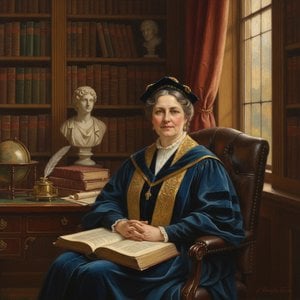
Discover the profound beauty of Academic Portraiture. Explore how classical realism captures prestige through meticulous technique, anatomical truth, and timeless elegance—perfect for discerning collectors seeking museum-quality mastery and historical grandeur.

Explore the clinical precision of German New Objectivity through masters like Otto Dix. Discover the truth behind the Weimar era's raw realism.

Discover the profound beauty of Classical Realism. Explore a curated guide to academic mastery, from technical precision to timeless elegance, perfect for discerning collectors seeking museum-quality excellence and bespoke artistry.

Master the art of decoding hidden symbols and visual allegories in historical masterpieces. Elevate your collection with expert insights.

Decode the profound symbolism of hands in masterworks from Van Gogh to Hindu mudras. Explore the silent language of art with our expert guide.
 Gerçek Boyutta Önizle

 Paylaş
 Paylaş
 Detayları Gör
 Rehber


 İndir
 Benzer ürünler
 X-Işını
 Slayt Gösterisi
 Soru & Cevap

 İstatistikler


 Tümünü Gör









 Cam seçeneği yalnızca 110 cm altındaki boyutlar için mevcuttur.


