
Web önizlemesinin çok ötesinde, baskıya hazır bir dosya edinin. Sattığımız her dijital görüntü, stok veri tabanımızdaki yüksek çözünürlüklü bir ana dosyadan —genellikle 5.000 ila 15.000 piksel genişliğinde— gelir; böylece büyük boyutlarda baskı alabilir, dar kırpmalar yapabilir veya ince detayları güvenle yeniden üretebilirsiniz.
Stüdyomuzdan çıkan hiçbir dosya işlenmeden çıkmaz. Bir dijital uzman, renkleri orijinal tabloyla karşılaştırarak kontrol eder ve gerekirse düzeltir; ardından profesyonel rötuş araçlarıyla netliği ve detayları artırır — bunu yaparken her zaman sanatçının fırça darbelerine ve üslubuna sadık kalır. Sonuç, filtrelenmiş bir tarama gibi değil, bizzat tablonun kendisi gibi görünen bir görüntüdür.
İşlem tamamlanmadan önce onayınız alınır: Uzmanımız, incelemeniz için görseli 72 saat içinde e-posta ile gönderir. Memnun kalmadınız mı? İyileştirme veya düzeltme talep edebilir ya da kalite beklentinizin altında kalırsa iade isteyebilirsiniz.
Yayıncıların, tasarım stüdyolarının, galerilerin ve matbaaların güvendiği kalite budur.
Kişisel kullanım, baskı ve yaratıcı projeleriniz için yüksek çözünürlüklü bir dosya indirin. ( Baskı Satışına Geç El Yapımı Tablo Satın Al)
WahooArt.com seçtiğinizde, sadece bir görsel edinmekle kalmaz; titizlikle hazırlanmış, profesyonelce iyileştirilmiş dijital bir sanat eserine sahip olur ve memnuniyet garantisiyle güvence altına alınırsınız. Siparişinizle birlikte otomatik olarak sunulan her şey şunlardır:
Yüksek çözünürlüklü dijital görüntü dosyanız, siparişinizin ardından en geç 72 saat içinde e-posta ile size gönderilecek ve hemen kullanıma hazır olacaktır.
Sanat eseriniz; maksimum detay, netlik ve renk doğruluğu sağlamak amacıyla gelişmiş yapay zeka araçları ve manuel düzenleme kullanılarak profesyonelce optimize edilmektedir.
Dosyanızı yanlışlıkla mı sildiniz yoksa kayıp mı oldu? Endişelenmeyin; dosyanızı dilediğiniz zaman size ücretsiz olarak tekrar göndereceğiz.
Sanat eserinizin tadını gümrük vergisi, harç veya teslimat ücreti ödemeden anında çıkarın; dijital indirmeler her zaman vergiden muaftır.
Profesyonel araçlar ve renk yönetimi kullanarak dijital görselinizin orijinal renklere mümkün olduğunca yakın yansıtılmasını sağlıyoruz.
If you're not satisfied with your digital image, we'll revise it or refund 100% within 100 days - no questions asked.
Memnun kalmadınız mı? Dijital dosyanızı teslim aldıktan sonraki 100 gün içinde, hiçbir soru sorulmaksızın tam para iadesi alabilirsiniz.
Buy 3 images, save 10% - Buy 5, save 15% - Buy 10+, save 20%. Great for creative projects, galleries, and agencies.
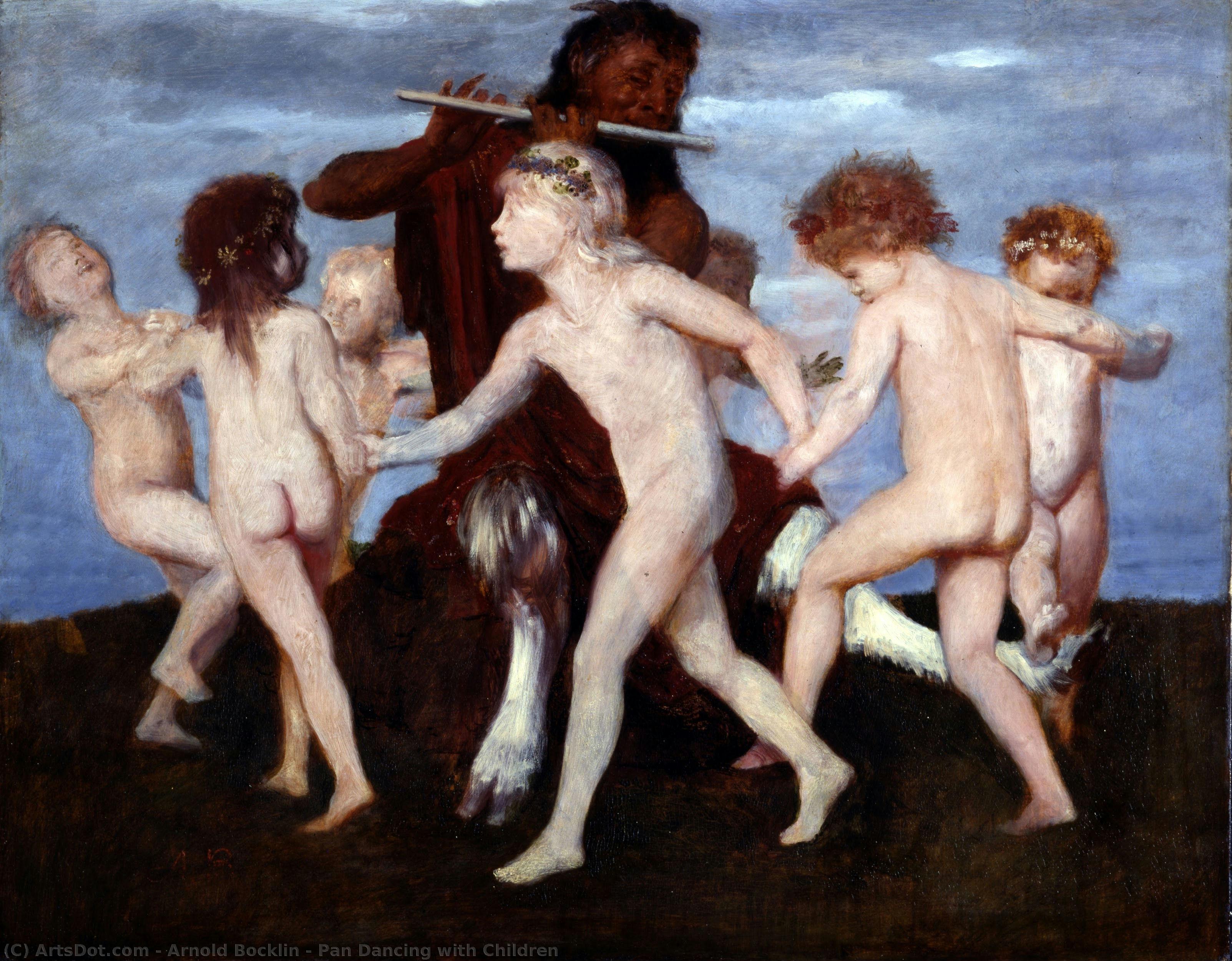
Arnold Böcklin's "Pan Dancing with Children," painted around 1884, isn’t merely a depiction of a pastoral scene; it’s an immersion into a realm of mythic beauty and unsettling serenity. This captivating work, currently residing within the Museum Folkwang in Essen, Germany, transcends simple representation, offering instead a profound meditation on childhood innocence, primal connection to nature, and the lingering presence of ancient spirits. Böcklin, a key figure in the Symbolist movement, masterfully employed a muted palette—primarily ochres, browns, and deep greens—to create an atmosphere thick with twilight and dreamlike suggestion. The figures themselves are rendered with a remarkable degree of detail, yet possess an almost ethereal quality, as if caught between worlds.
The painting’s composition is deliberately ambiguous. A central group of nude children, seemingly unburdened by adult concerns, frolic around Pan, the god of the wild, shepherds, and flocks. They are engaged in a variety of activities: playing musical instruments crafted from branches, holding hands in playful circles, and gazing upwards with an expression that blends curiosity and contentment. The inclusion of putti—small winged infants—further enhances the sense of otherworldly grace and innocence. Notice how Böcklin subtly integrates elements of classical mythology – the flute Pan holds is a direct reference to the god’s traditional instrument – alongside the rustic setting, creating a harmonious blend of ancient lore and contemporary observation.
Böcklin's work firmly establishes him as a pivotal figure in the Symbolist movement, which sought to evoke emotions and ideas rather than simply depict reality. Rejecting the naturalism prevalent in earlier art movements, Symbolists like Böcklin prioritized subjective experience and explored themes of death, memory, and the subconscious. “Pan Dancing with Children” exemplifies this approach through its evocative atmosphere and symbolic imagery. The painting’s muted colors, soft lighting, and dreamlike quality contribute to a sense of melancholy and longing—a feeling that resonates deeply within the viewer.
The choice of nudity is particularly significant. It isn't presented in a provocative manner but rather as an embodiment of primal innocence and connection to nature. The children’s vulnerability underscores their purity, while their joyful dance suggests a liberation from worldly concerns. Böcklin’s meticulous attention to detail—from the texture of the children’s skin to the delicate folds of their clothing—further emphasizes their tangible presence within the scene.
While often categorized as a painting, “Pan Dancing with Children” incorporates elements of mixed media. Böcklin skillfully combined oil paints with photographic techniques, creating a unique visual texture that blends the immediacy of photography with the depth and richness of traditional painting. This hybrid approach allowed him to capture fleeting moments of light and shadow, imbuing the scene with an unparalleled sense of realism. The use of layering and glazing—applying thin washes of paint over previous layers—contributes to the work’s luminous quality and creates a subtle interplay of colors.
The artist's background in Düsseldorf, associated with the school known for its emphasis on realistic depiction, is evident in the meticulous rendering of the figures and their surroundings. However, Böcklin departs from traditional academic techniques by prioritizing atmosphere and emotional impact over precise representation. This deliberate shift reflects his commitment to Symbolist principles and his desire to create a work that transcends mere visual observation.
Beyond its aesthetic qualities, “Pan Dancing with Children” is rich in symbolic meaning. Pan himself represents the untamed spirit of nature—a force both benevolent and potentially dangerous. The children’s dance can be interpreted as a celebration of life, joy, and connection to the natural world. However, there's also an undercurrent of melancholy—a sense that this idyllic scene is fleeting and destined to fade away. The painting subtly evokes themes of mortality and the cyclical nature of time.
The inclusion of ancient myths – Pan’s role as a shepherd god, the presence of putti – connects the work to a broader cultural heritage, suggesting a timeless resonance between humanity and the natural world. Böcklin's masterful use of symbolism invites viewers to engage in their own interpretations, creating a deeply personal and emotionally resonant experience. Reproductions of this iconic artwork continue to captivate audiences with its haunting beauty and profound sense of mystery.
Arnold Böcklin imzalı "Pan Dancing with Children", balanced parlaklık ve Gentle Luminance düzeyinde bir lüminans ile kaydedilmiştir.
"Pan Dancing with Children", Arnold Böcklin sanatçısının Late Period dönemini temsil etmektedir."
Arnold Böcklin imzalı "Pan Dancing with Children", Melancholic bir duygusal ton yansıtıyor.


1827 - 1901 , İsviçre
 Gerçek Boyutta Önizle
 Paylaş
 Paylaş
 Detayları Gör
 Rehber

 İndir
İndir
 Benzer ürünler
 X-Işını
 Slayt Gösterisi
 Soru & Cevap
 İstatistikler


 Tümünü Gör


